




























Review: We Were Here (2026)

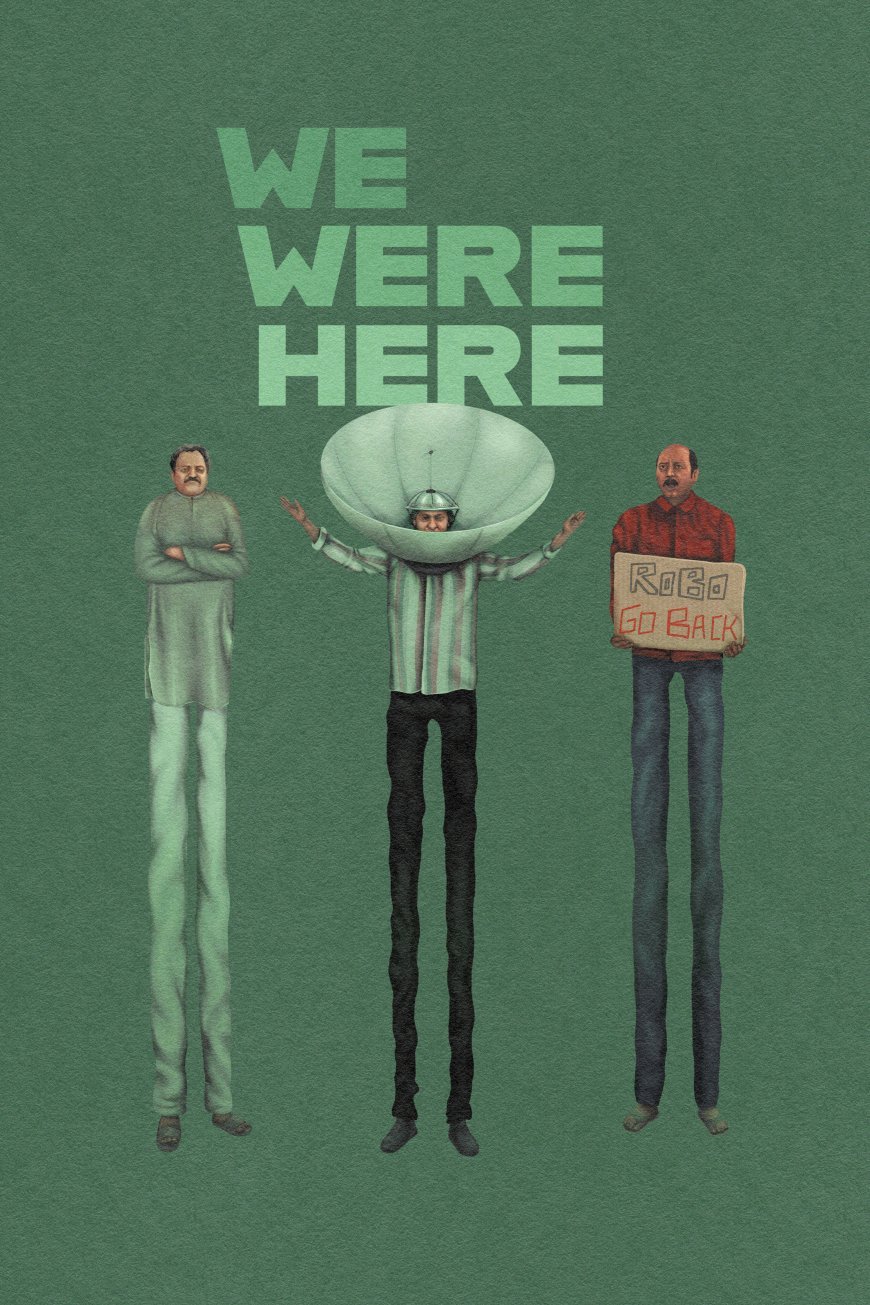
What does a person do when a machine can perform his job better and faster, without even taking a lunch break? In Pranav Bhasin’s We Were Here, three middle-aged men have a rather unusual answer: they decide to become machines themselves.
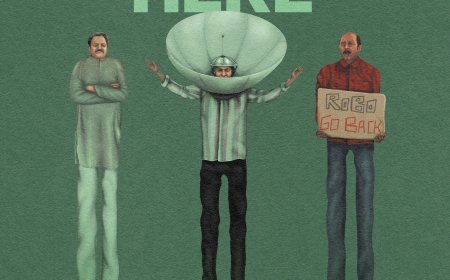
One takes up the position of a dish antenna, another of a vehicle's reverse camera, while the third becomes a microwave. It is an odd way of protesting against artificial intelligence, to put it mildly. But with robots increasingly taking over human jobs, their eccentric revolt begins to make a certain kind of sense.
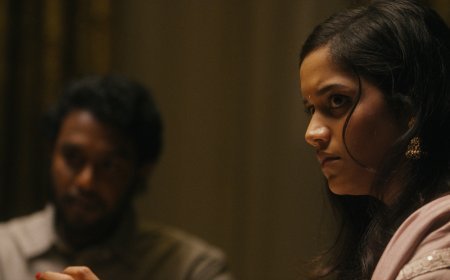
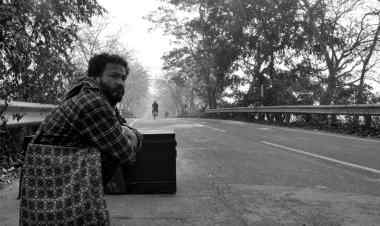
Written and directed by Bhasin, this ten-minute short follows the trio, Bagchi, Ganguly and Pimple, as they organise a revolt against technological unemployment. The narrative finds considerable comic mileage in their attempts to reclaim jobs from machines. They devise counter-strategies, and even try to mislead AI-powered appliances with misinformation. In one instance, Bagchi presents a slice of pizza to an appliance and prompts it that it is dal bati, a Rajasthani speciality. The sarcasm works particularly well because the men approach these rather futile exercises with the seriousness of people preparing for an actual war.
Their protest, however, is not entirely about technology. These are men who have lost their professional purpose and suddenly have too much time on their hands. Their campaign gives them something to do, certainly, but also a reason to feel useful again. Bhasin understands that the anxiety surrounding artificial intelligence is not simply about machines replacing human labour. It is also about what happens to the people whose identities have been shaped by their work. These men may not be capable of stopping technological change, but they want their presence to count for something before the world moves on without them. And that is a rather reasonable demand.
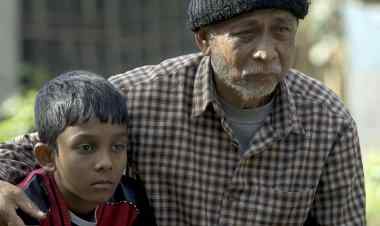
Pimple's son gets an internship at an AI company, much to his father's dismay. The irony is rather obvious. While he is busy fighting technological encroachment and manipulation, his son is preparing to work alongside the very industry he opposes. He believes he knows his son inside out, only to discover that parental familiarity has its limits. The conflict, therefore, is not merely about technology but also about the difficulty of remaining connected to a world that no longer shares one's assumptions.
The film makes its more affecting observation through Ganguly’s recollection of his mother's hands, hardened by years of washing clothes. A washing machine can perform the same task, but can it replace the person behind that labour? The distinction is simple, yet it gives the comedy an emotional foundation.
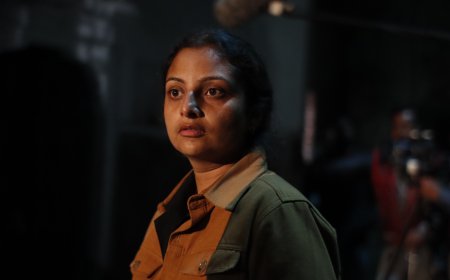
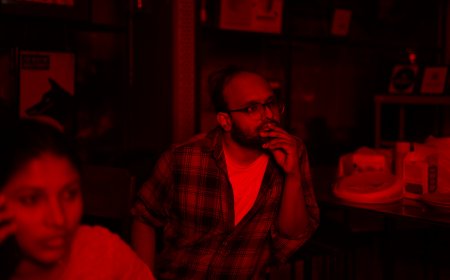
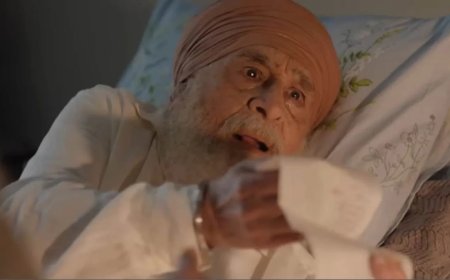
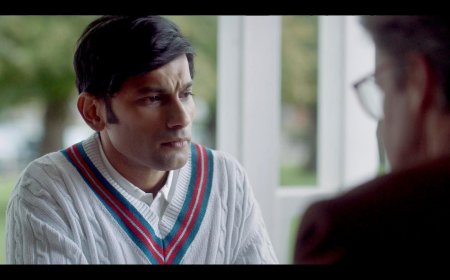
Performance-wise, Satish Kashyap as Bagchi, Dvendra Dodke as Pimple, and Arindol Bagchi as Ganguly make an appealing trio. Their individual portrayals bring out the wounded pride and camaraderie beneath the characters' eccentric behaviour.
The cinematography by Rajiv Malu captures the principal characters in conversation, following the conventions of the mockumentary form. The framing has an observational quality, while shifts in perspective lend the proceedings an informal feel. Pralay Valanju's editing maintains a brisk comic pace throughout, while the sound design by Utsav Mistry and music by Yash Sahai bring warmth to the otherwise farcical proceedings.
The film's final reflection concerns the difference between a machine's flawless line and the unsteady mark made by a human hand. The latter shakes because its maker is breathing. That, perhaps, is the point Bhasin wants to make. Technological progress may be inevitable, but efficiency cannot be the only measure of human worth.
What's Your Reaction?