















Bidya Rao: A Journey Through Cinema
Noted film critic, Prantik Deka critically looks at the cinematic journey of the actor, Bidya Rao
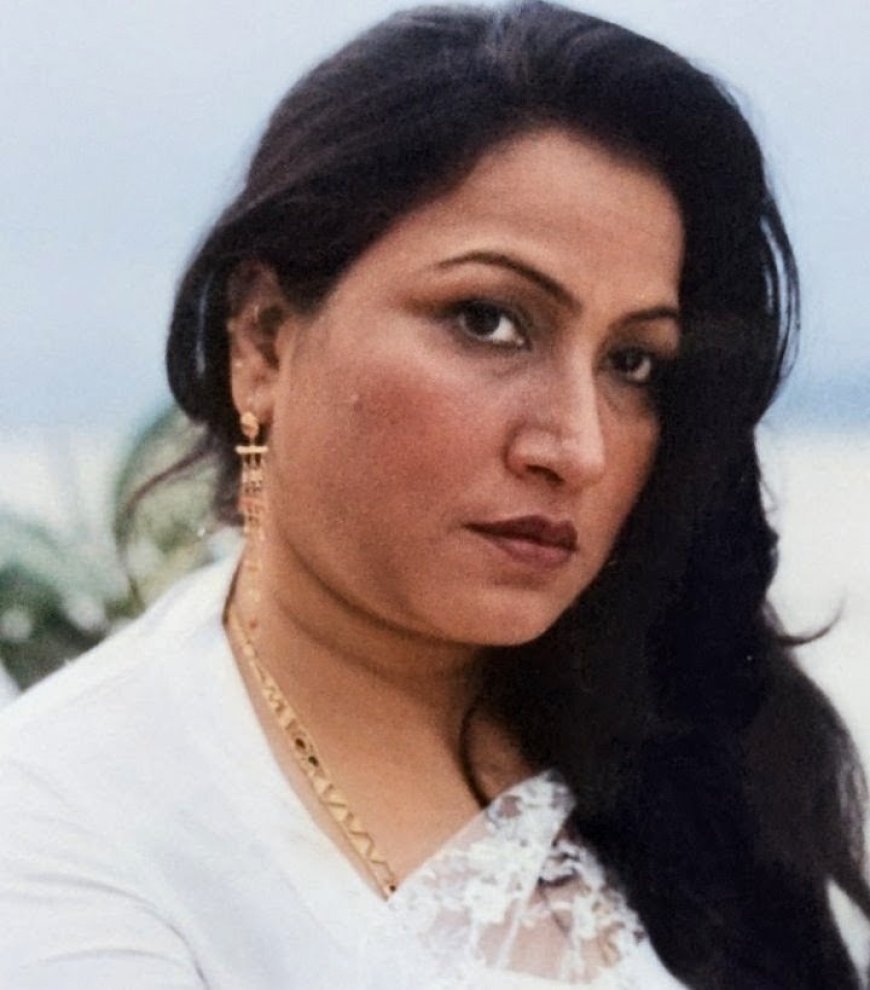
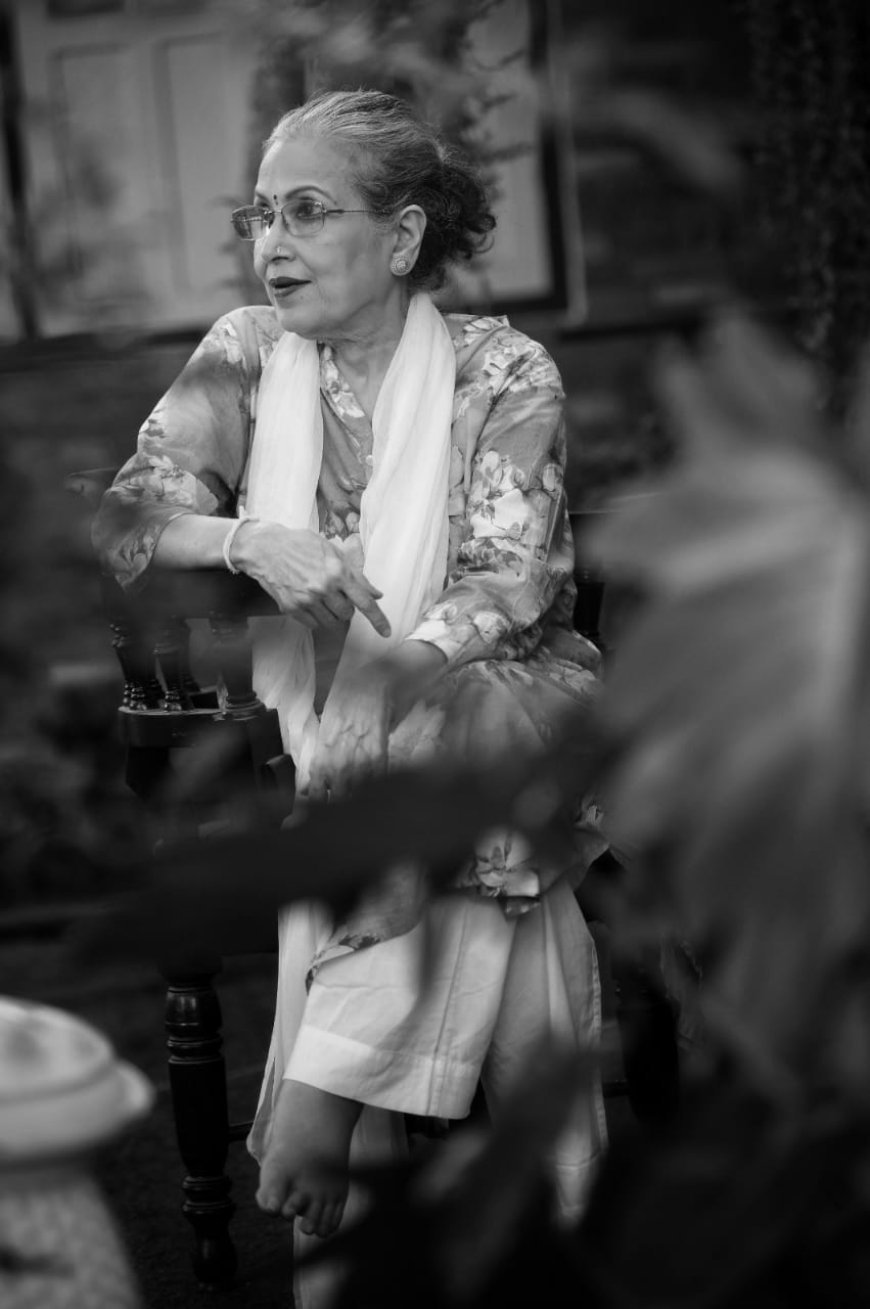
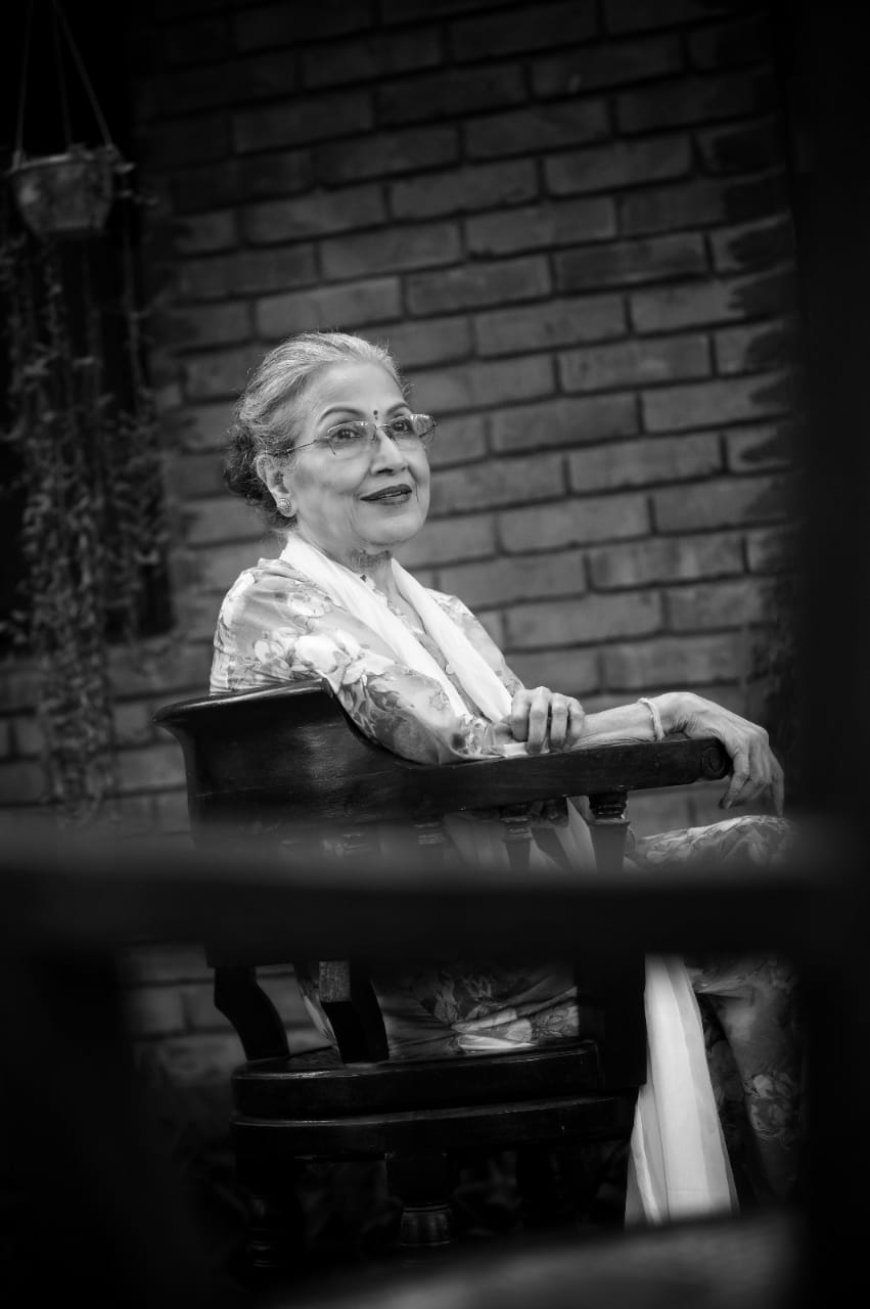
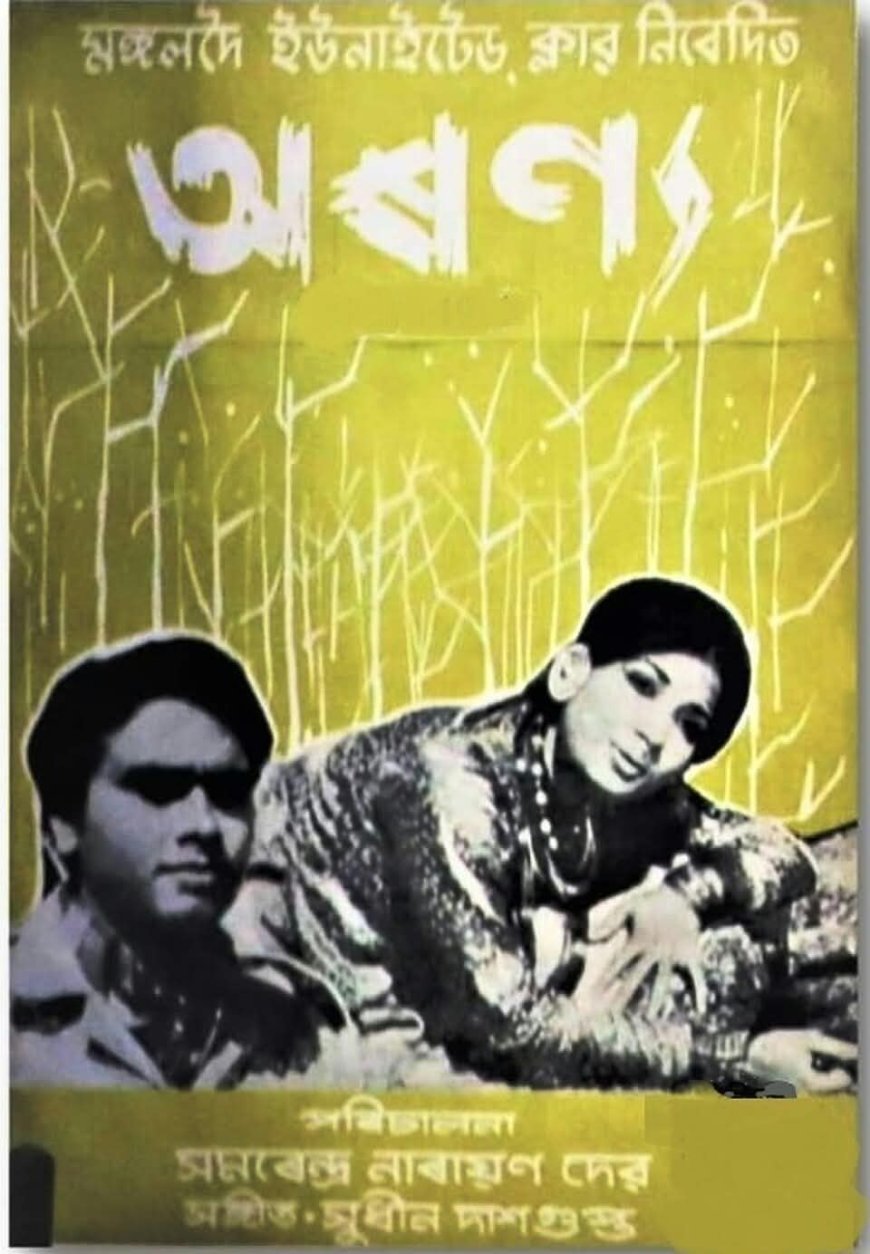
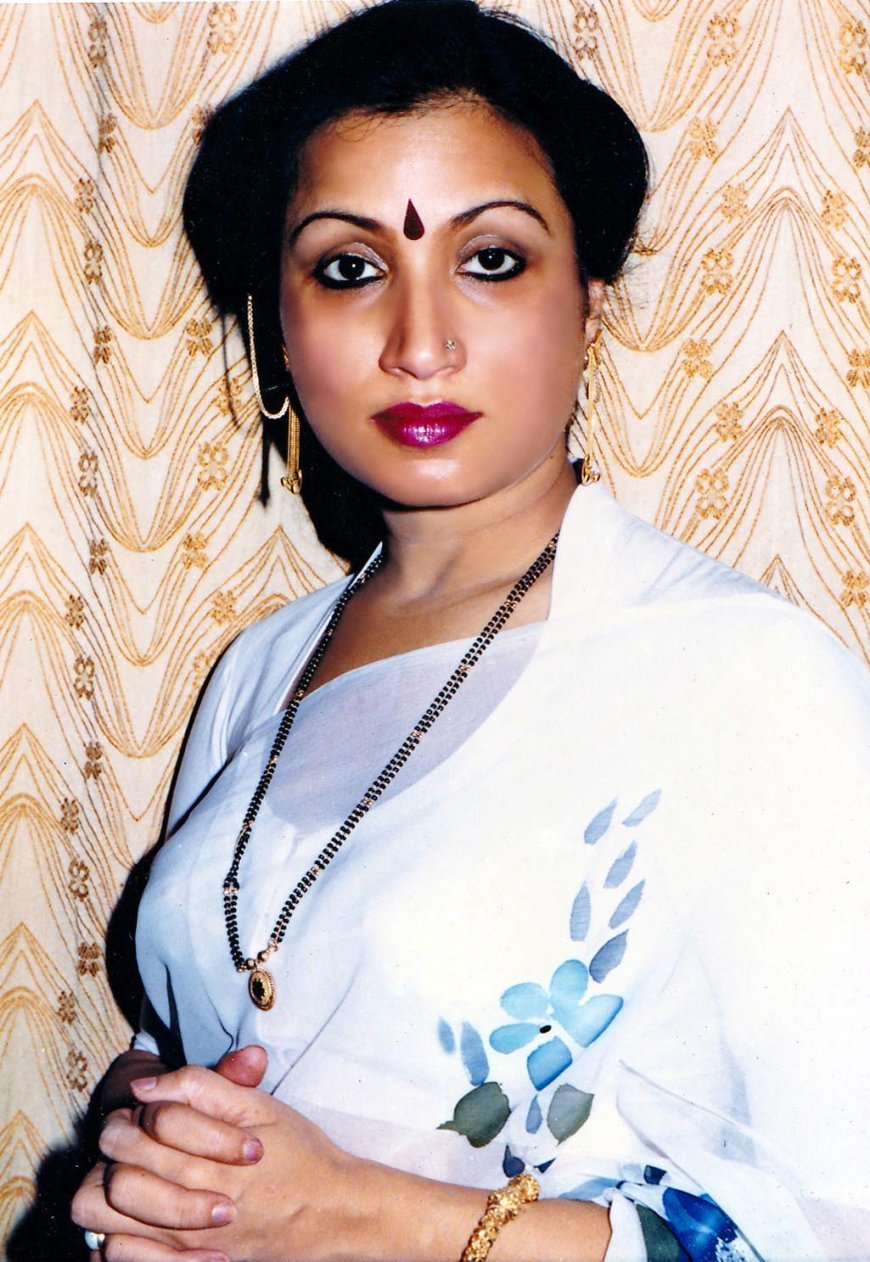
Renowned actress Bidya Rao made her silver screen debut in the film Shakuntala, directed by Dr. Bhupen Hazarika. Later in her career, she captivated Assamese audiences with her admirable performances in commercially successful films such as Aranya, Lotighoti, Pratidhwani, Mon Mandir, Ghar Sansar, Manab Aru Danab, Jivan Surabhi, Pooja, Hridayar Aare Aare, Angikar, and Sarothi. Although born in Dibrugarh, this charming actress spent a significant portion of her life in Kolkata, where she was raised. Over the course of her illustrious career, she appeared in over 20 Bengali films alongside numerous Assamese movies. Remaining active for nearly four decades starting from the 1970s, Bidya Rao played the leading lady opposite several veteran and emerging actors, including Bijay Sankar, Nipon Goswami, Biju Phukan, and Tapan Das.
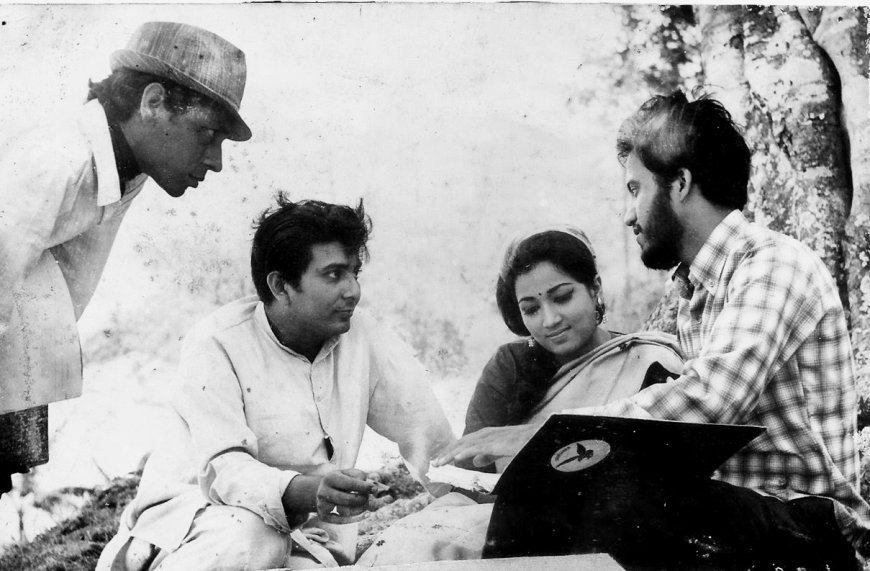
Bidya Rao with Nipon Goswami and Indukalpa Hazarika during 'Manav Aru Danav'
Bidya Rao’s father was Marathi, while her mother was an Assamese native of Jorhat. Her father ran an automobile business, and his work frequently brought him to Dibrugarh, Jorhat, and various other towns across Assam. It was during this time that he met Bidya Rao’s mother, and they were later married. Her father’s family was based in Dibrugarh, where Bidya Rao was born. However, when Bidya Rao was five years old, the family permanently relocated to Kolkata.
Bidya Rao’s mother occasionally used to perform alongside Dr. Bhupen Hazarika on stage, which fostered a close bond between him and their family. Whenever he found the time, Dr. Hazarika would visit their home whenever his schedule allowed, especially to enjoy traditional Assamese cuisine. During one of these visits, he proposed the idea of casting young Bidya in Shakuntala. Having always been fond of singing and dancing, Bidya eagerly accepted the offer without hesitation.
Consequently, at the tender age of six, Bidya Rao made an unexpected acting debut as a child artist in Dr. Bhupen Hazarika’s Shakuntala, released in 1961, entering a film industry she was still too young to understand.
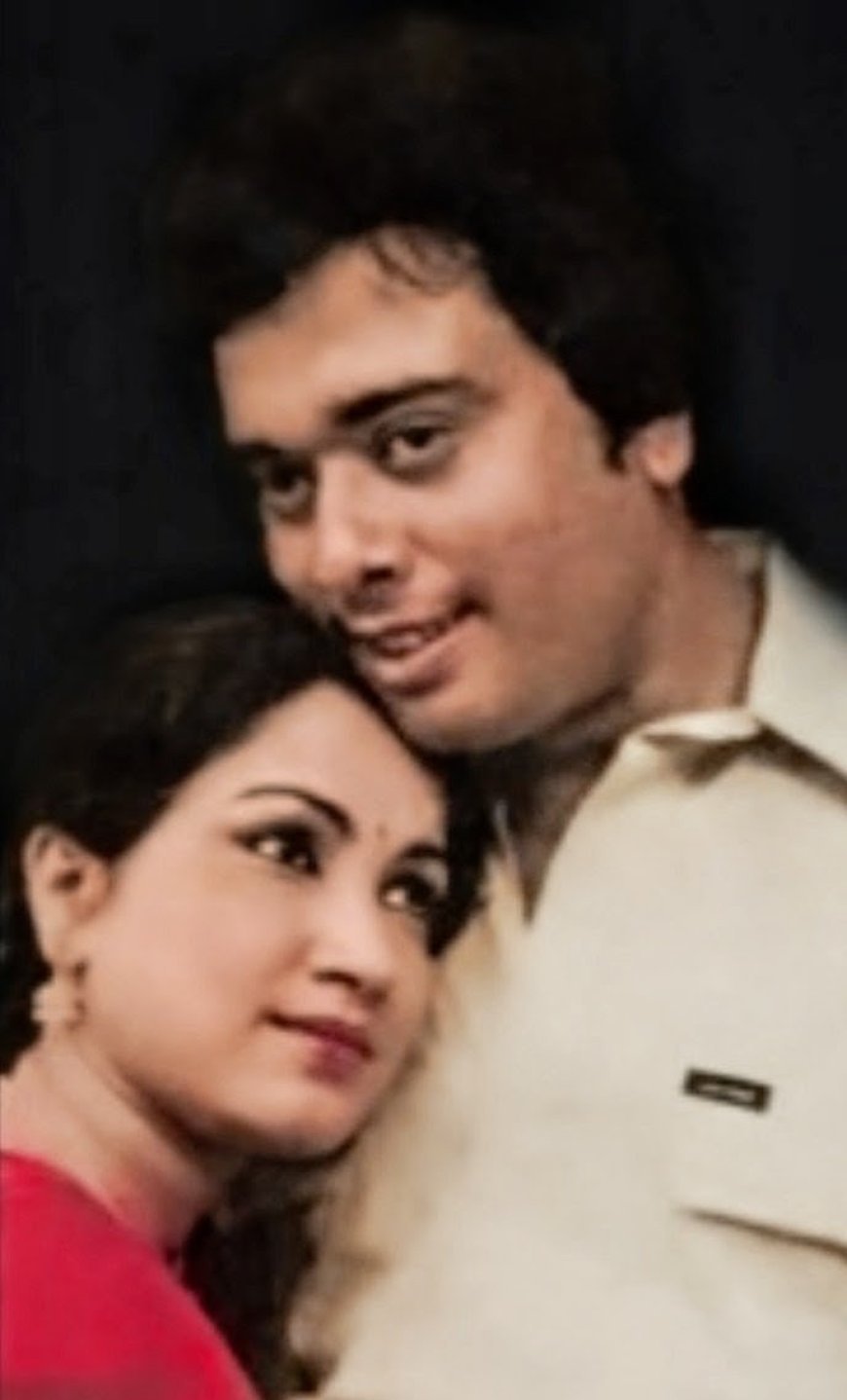
Bidya Rao and Biju Phukan in Manasi
At just 14 years old, Bidya Rao landed the leading role in the 1966 film Lotighoti, directed by Dr. Bhupen Hazarika. She was still a schoolgirl when Dr. Hazarika personally selected her as the female lead in this landmark movie. The film went on to win the President’s Silver Medal for Best Feature Film in Assamese at the 14th National Film Awards. She appeared opposite the renowned actor Bijay Sankar. Based in Kolkata at the time, Bidya acted in Assamese cinema while residing in Kolkata, as most Assamese films during that era were shot there. Lotighoti was no exception, with its filming taking place at Kolkata’s Indrapuri and Radha Studios. However, prior to the release of Lotighoti, Dr. Bhupen Hazarika’s Pratidhwani—which also featured Bidya Rao—hit theatres in 1964. Following the warm audience reception for both films, Bidya Rao was flooded with acting offers and went on to win the hearts of Assamese viewers through her performances in numerous popular films of that era.
During the late 1960s and into 1970, Bidya Rao transitioned from her teenage years into adulthood, taking on prominent supporting and youth-oriented roles in Assamese cinema that prepared Assamese audiences for her emergence as a mature leading lady. This defining period began in 1968 with Amar Pathak’s Sangram, which notably paired her opposite Nipan Goswami in his debut as a leading man. She followed this with appearances in Dr. Bhupen Hazarika’s Chik Mik Bijuli (1969), before closing out this transitional phase in 1970 with two notable releases: Brojen Barua’s Mukuta, which became the first Assamese film to complete a 100-day run in cinemas, and Aparajeya, directed by Chaturanga—a filmmaking collective comprising Phani Talukdar, Atul Bordoloi, Gouri Barman, and Munin Bayan.
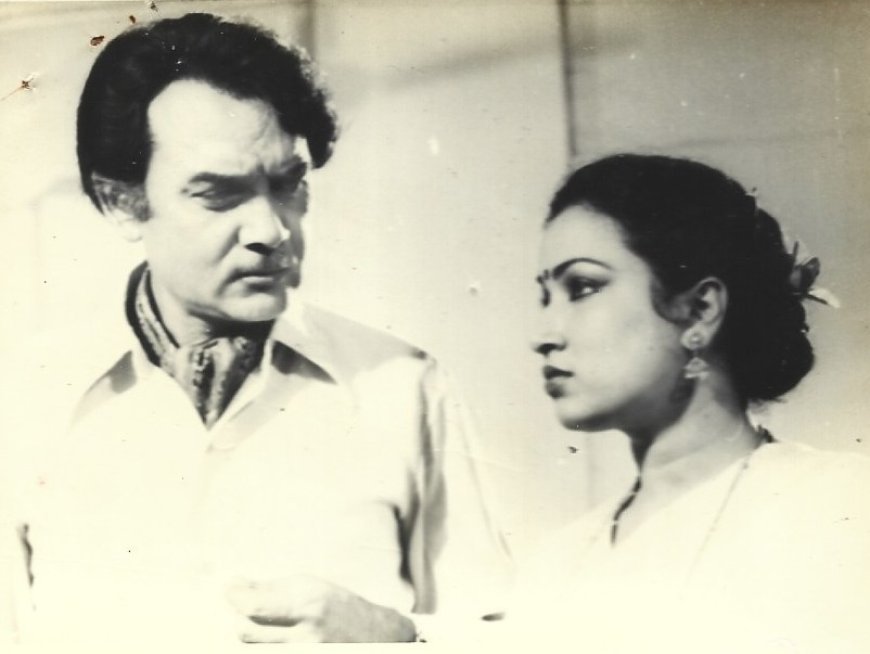
Bidya Rao with Bijay Sankar in 'Ghar Sansar'
Alongside her work in Assamese cinema, Bidya Rao starred as the leading lady in over twenty-odd Bengali films. In fact, upon learning that she was acting in Dr. Bhupen Hazarika’s film, many Bengali directors approached Bidya Rao with offers to star in their movies. Beginning her career around the time of her matriculation examinations, she appeared in notable titles such as Paari, Dolgobinder Karcha, Tin Adhyay, Shesh Theke Shuru, Aaranyak, Agnibhramar, Banpalashir Padabali, Natun Diner Alo and Chena Achena. Throughout this period, she had the privilege of acting alongside stalwarts such as Uttam Kumar, Soumitra Chatterjee, Anup Kumar Sen, Satya Banerjee, Amit Kumar, and Rabi Ghosh.
Having lived in Kolkata since childhood, Bidya had a strong command of the Bengali language. Moreover, she completed her schooling in the Bengali medium. Besides Bengali, she was proficient in Hindi, while Assamese was regularly spoken at home from her early years.
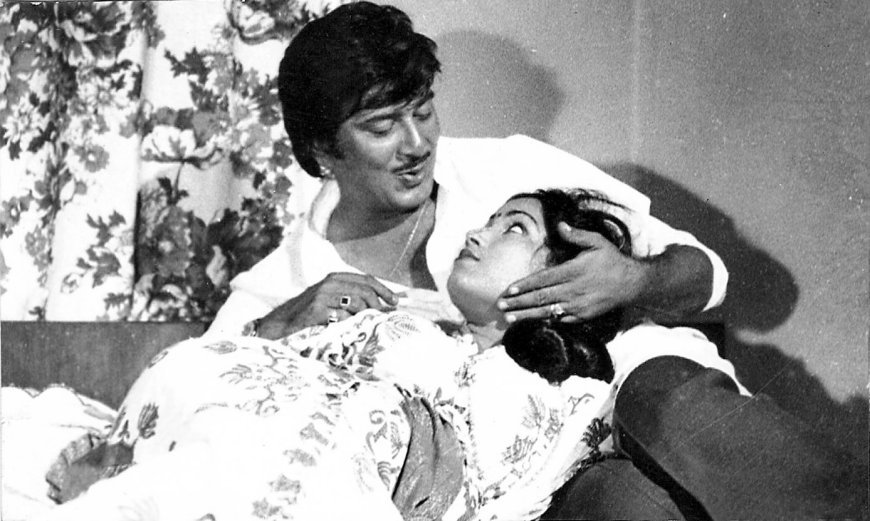
Bidya Rao with Nipon Goswami in Suprabha Devi's debut film 'Nayanmoni'
Her marriage, however, came as a complete surprise. Her family shared a warm relationship with M.P.N. Nair, a Malayali who was in the automobile business. Although he was considerably older than her, Bidya Rao married him out of a sudden impulse. Nevertheless, he proved to be deeply caring toward her. In fact, her acting career flourished after her marriage. Soon after tying the knot, she starred alongside the popular actor Biju Phukan in Samarendra Narayan Dev’s 1971 release Aranya, the very film that brought her into the limelight and won immense acclaim from audiences. The song Xile Xile Theka Khale from this film gained immense popularity and remains a beloved classic today. Bidya Rao came to know about this popularity only after coming to Assam from Kolkata.
Following her breakthrough performance in Aranya, which established her as a leading actress, Bidya Rao’s career flourished, leading to starring roles in numerous Assamese films. She carved a special place in the hearts of audiences with prominent performances in several acclaimed and popular movies, beginning with Indukalpa Hazarika’s Manav Aru Danav (1971). In 1977, Bidya Rao acted in a key supporting role in Sandhyaraag, which was the directorial debut of renowned Assamese writer and filmmaker Dr. Bhabendra Nath Saikia. The film won the Rajat Kamal for Best Feature Film in Assamese at the 25th National Film Awards in 1978. In 1980, she starred in Deb Kumar Bose’s Mainajan as well as Nip Barua’s blockbuster hit Ajali Nabou, an ensemble drama that became the first Assamese film to achieve a 25-week theatrical run. Her momentum continued throughout the decade with leading roles in Balai Sen’s Manasi (1981), Anwar Hussain’s Shri Shri Maa Kamakhya (1983), Suprabha Devi’s Nayanmoni (1984), and Naresh Kumar’s Jeevan Surabhi (1984). She also delivered memorable performances in two Dara Ahmed directorials, Pooja (1985) and Pratidan (1987). In another 1987 release, she starred alongside Biju Phukan in Chandra Talukdar’s Assamese black-and-white film, Jetuki. Additionally, Bidya Rao also collaborated with director Siva Prasad Thakur on two immensely popular films, Ghar Sansar (1983) and Mon Mandir (1985). By her own admission, Pulak Gogoi’s Sendur (1984) stands out as one of the most successful and memorable films of her acting career. Tapan Das played the male lead opposite her in the film. As he was considerably younger than Bidya Rao, he initially felt a bit hesitant while filming the romantic scenes.
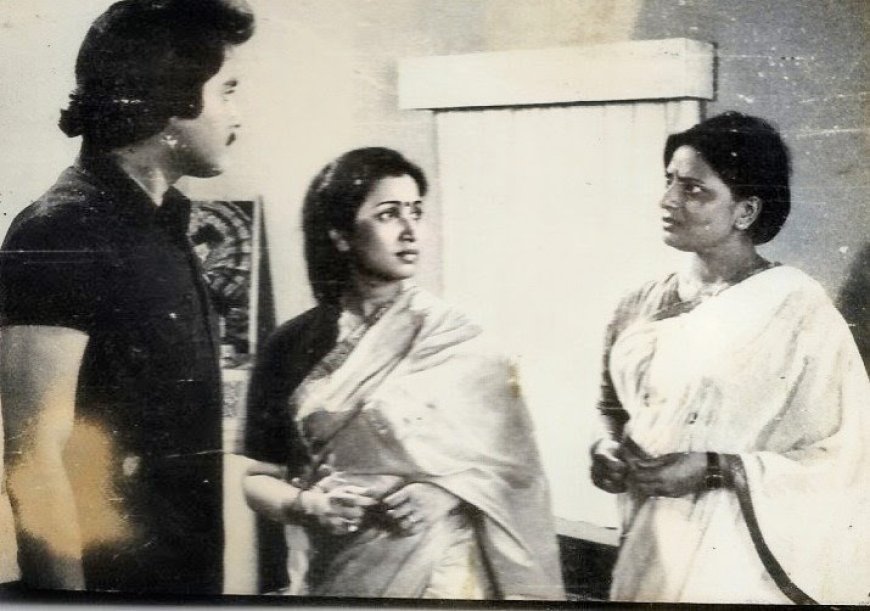
Bidya Rao with Brojen Borah in 'Pratidan'
Throughout her acting journey, her husband, Nair, offered immense support. Thanks to his encouragement, Bidya Rao was able to deliver one successful film after another. She has personally acknowledged that without her husband, she might not have achieved such great success in the film industry.
In addition to his automobile venture, Bidya Rao’s husband M.P.N. Nair worked as a producer and film distributor, operating an office in Guwahati that helped him build a close rapport with several renowned Bollywood producers and directors. Nair co-produced the acclaimed 1985 Assamese film Son Maina, which won the Best Feature Film in Assamese at the 32nd National Film Awards. Directed by Siva Prasad Thakur, the film was jointly produced under the banner of R.B. Productions by R.B. Mehta, M.P.N. Nair, and Siva Prasad Thakur.
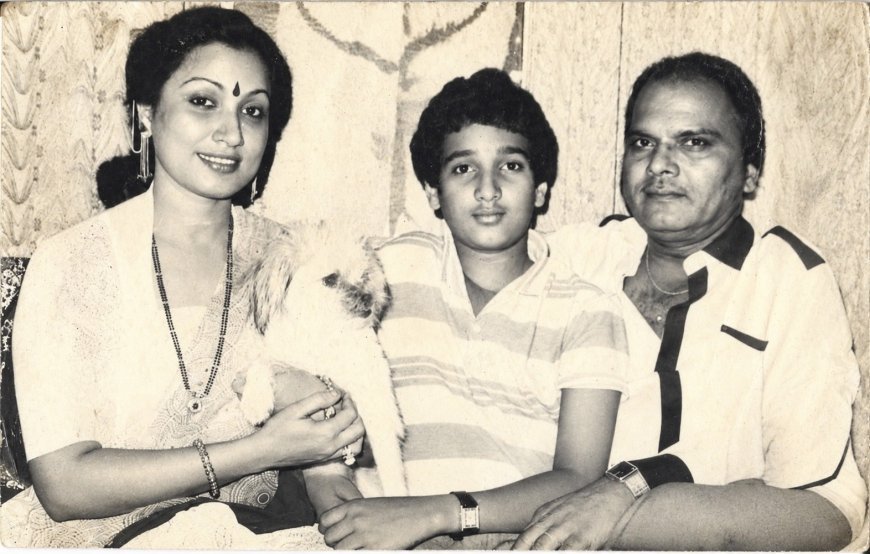
Bidya Rao with her son Dharam Nair and husband M.P.N. Nair
Eminent filmmakers such as B.R. Chopra and Atmaram frequently visited their home for work-related matters. These visits gave Bidya Rao the opportunity to interact with them closely, warmly hosting them and serving home-cooked meals. Having already established herself in numerous Assamese and Bengali movies, she was offered Hindi film roles by almost all of them. However, despite her keen desire to work in Hindi cinema, she had to decline several offers because her husband did not want her to act in Bollywood.
Bidya Rao began her acting career in Kolkata and garnered widespread acclaim for her performances in numerous Bengali films. However, the immense recognition and identity she achieved through Assamese cinema are truly beyond words. She was always deeply moved by the love and blessings showered upon her by the people of Assam. Driven by her profound affection for the state and the warmth of its people, she and her husband decided to make Assam their permanent home. Her husband also shared a long and close bond with Assam. Furthermore, the striking resemblance between its natural beauty and that of his native Kerala made him equally eager to live in the state. Consequently, they settled permanently in Assam in 1980.
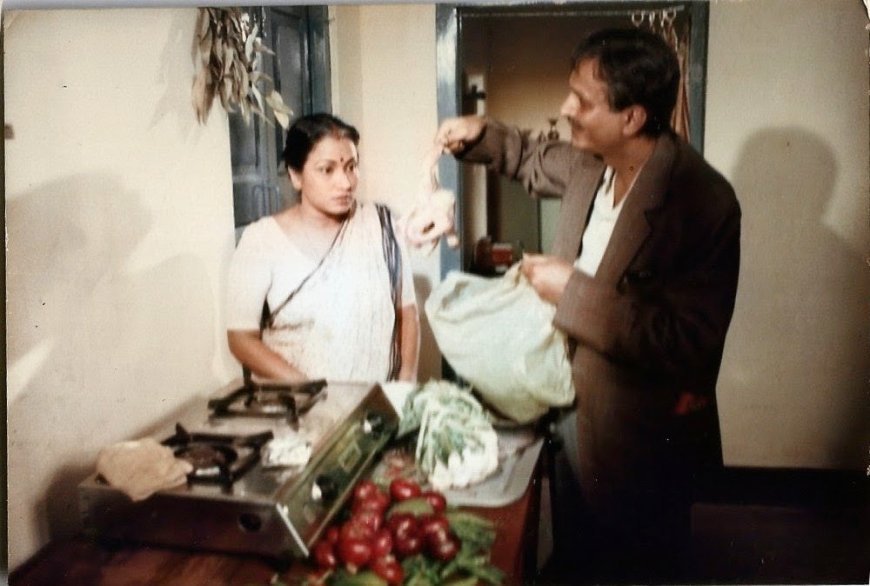
Bidya Rao and Arun Nath in 'Sarothi'
After spending several years in a rented house in Guwahati, they finally moved into their own home in the city’s Rehabari locality in 1988. It was a moment of immense joy for them.
However, tragedy struck just twelve days after moving into the new house when Bidya Rao’s husband M.P.N. Nair passed away. Left alone with her only son, she felt completely helpless, which compelled her to stay away from acting for a long time. However, driven by the need to earn a livelihood and care for her son, Bidya Rao eventually returned to acting.
Following her appearance in director Bhabendra Nath Saikia’s Sandhyaraag in 1977, Bidya Rao returned to the screen, reuniting with Saikia in his 1991 film Sarothi, in which she portrayed an unconventional character. The film went on to win the Rajat Kamal for Best Feature Film in Assamese in 1992 at the 39th National Film Awards. Also in 1991, Rao delivered a key supporting performance in Jadab Chandra Das’s Prem Janame Janame. Earlier that year, she had made a notable appearance in mainstream Hindi cinema with Dev Anand’s mystery-thriller Sau Crore, which featured acclaimed actors like Dev Anand, Naseeruddin Shah and Anupam Kher.
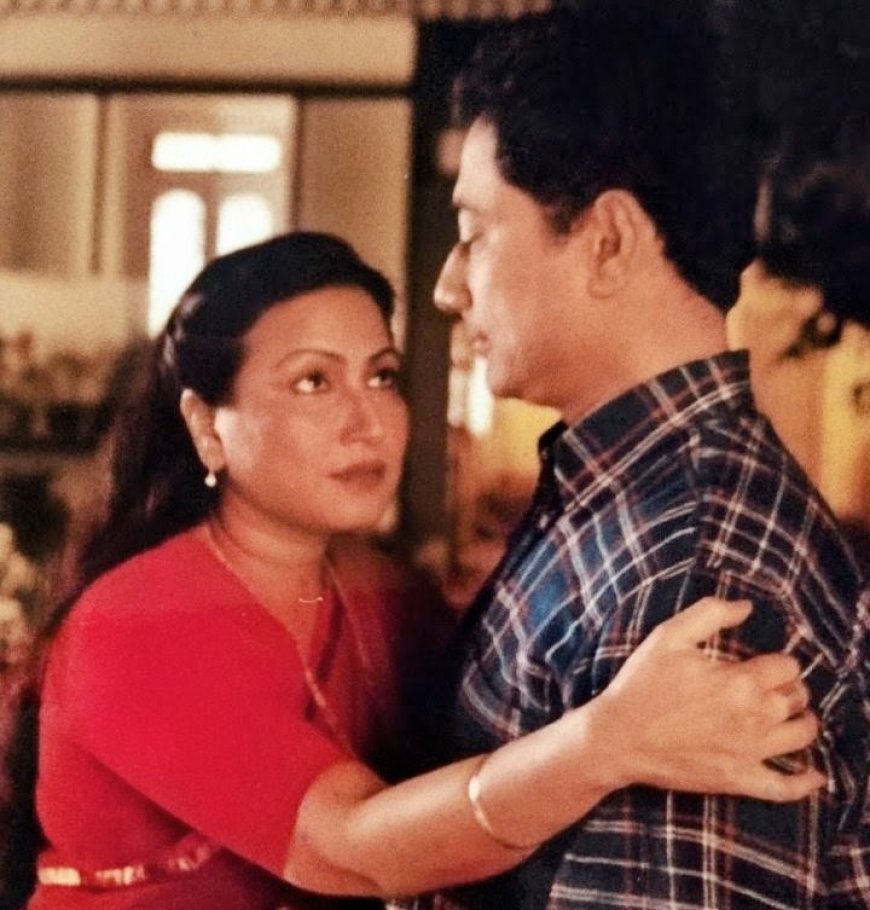
Bidya Rao with Ashok Medhi in 'Baibhab'.png
In 1995, Rao appeared in the Assamese film Urvashi, which reunited her with Dara Ahmed, the director of Pooja and Pratidan.
Bidya Rao played a supporting role in Bidyut Chakraborty’s acclaimed 1996 Assamese drama Rag-Birag, which won the Indira Gandhi Award for Best Debut Film of a Director at the 44th National Film Awards. She starred alongside an ensemble cast including Pranjal Saikia and Gyanada Kakati.
Later in the decade, in 1999, she acted in Pulak Gogoi’s musical entertainer Morom Nodir Gabhoru Ghat as well as Baibhab, which marked the feature directorial debut of producer-director Manju Borah. The critically acclaimed Baibhab went on to win a Special Mention at the 47th National Film Awards and was named Best Film in Asia at the 6th Dhaka International Film Festival in 2000, while also earning Borah the Gollapudi Srinivas Award for Best Debut Director.
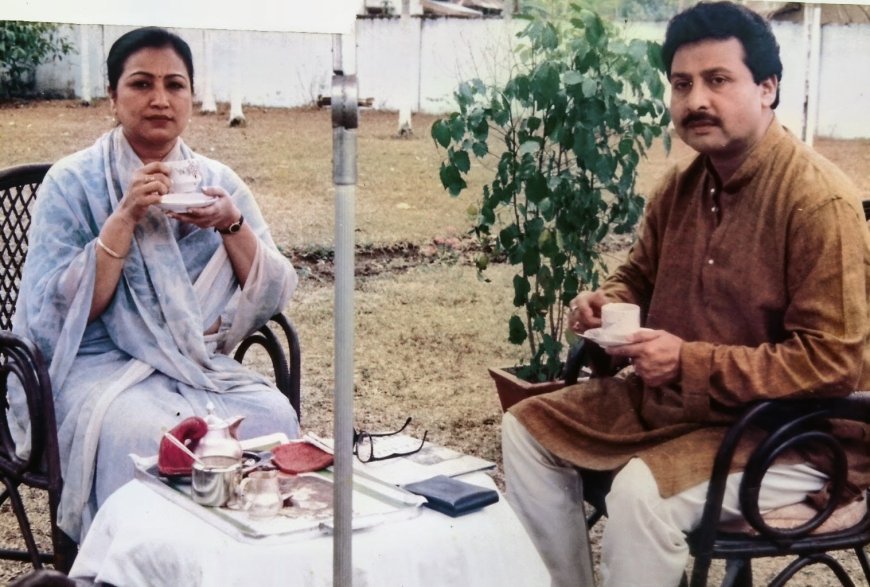
Bidya Rao with Dilip Barua in 'Morom Nodir Gabhoru Ghat'
In 2002, Bidya Rao appeared in two Assamese films: Jibanraj Barman’s Jonaki Mon and Sambhu Gupta’s Prem Aru Prem. In 2005, she acted in Des Hoyaa Pardes, a Punjabi-language period drama directed by Manoj Punj, and also appeared in Chandra Mudoi’s popular entertainer Suren Suror Putek. In 2012, Bidya Rao featured in Junmoni Devi Khaund’s Tula Aru Teja and made a special guest appearance in Prodyut Kumar Deka’s Samiran Barua Ahi Ase.
In 2016, tragedy struck Bidya Rao again when her only son, Dharam Nair, passed away. The grief was unbearable, leading her to withdraw almost entirely from public life, as she felt she had nothing left to live for.
As she once shared, Bidya Rao navigated the industry without a godfather, carving out her path entirely on her own. Throughout her journey, her mother and husband remained her biggest supporters. She does not claim to have any close friends in the industry, keeping her relationships with colleagues strictly professional.
Bidya Rao also had a brief stint in mobile theatre. In 1984, she performed on stage with Kohinoor Theatre, where she played the role of Draupadi in the play Mahabharata. The experience was rewarding both professionally and personally, earning her a great deal of respect. She thoroughly enjoyed every moment of it.
Bidya Rao has also acted in television serials broadcast by the Doordarshan Kendra Guwahati. Additionally, she has produced several notable TV serials, including Sandhyatara, Bixbashpa, 14 August, Akashi Latar Rang, and Sima.
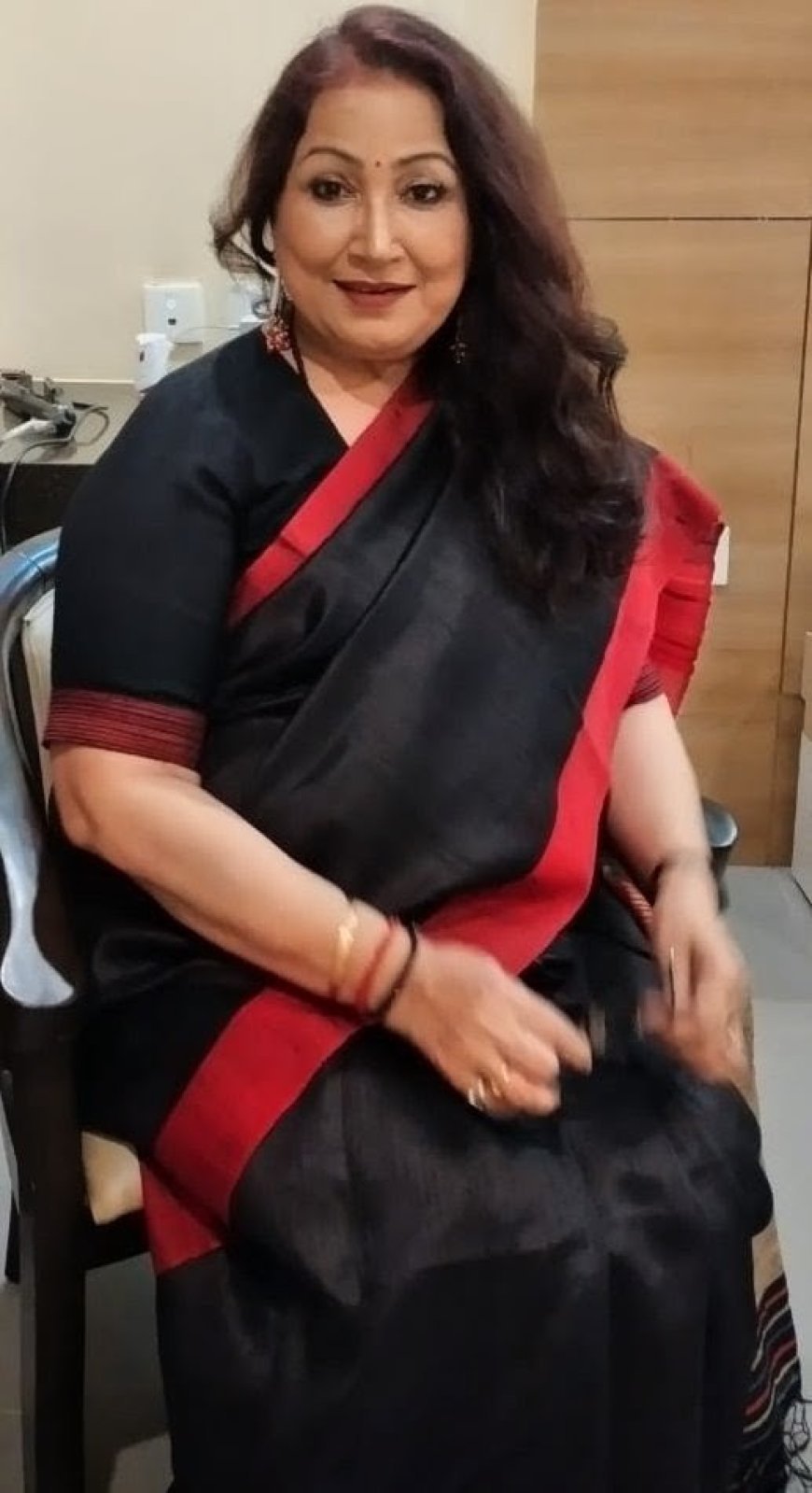
Following a severe fall at home, Bidya Rao sustained a serious injury that required hip surgery. She spent an extended period recovering in the hospital, with the state government covering all of her treatment expenses. For a long period afterward, she had to rely on a wheelchair as she navigated a difficult recovery. Amid financial hardship, many of her well-wishers stepped forward to offer personal financial assistance. The government has also extended a one-time financial grant to her, for which she remains deeply grateful.
Today, frail and unwell, Bidya Rao remains largely confined to her home, spending her days in the quiet company of her daughter-in-law and grandchild.
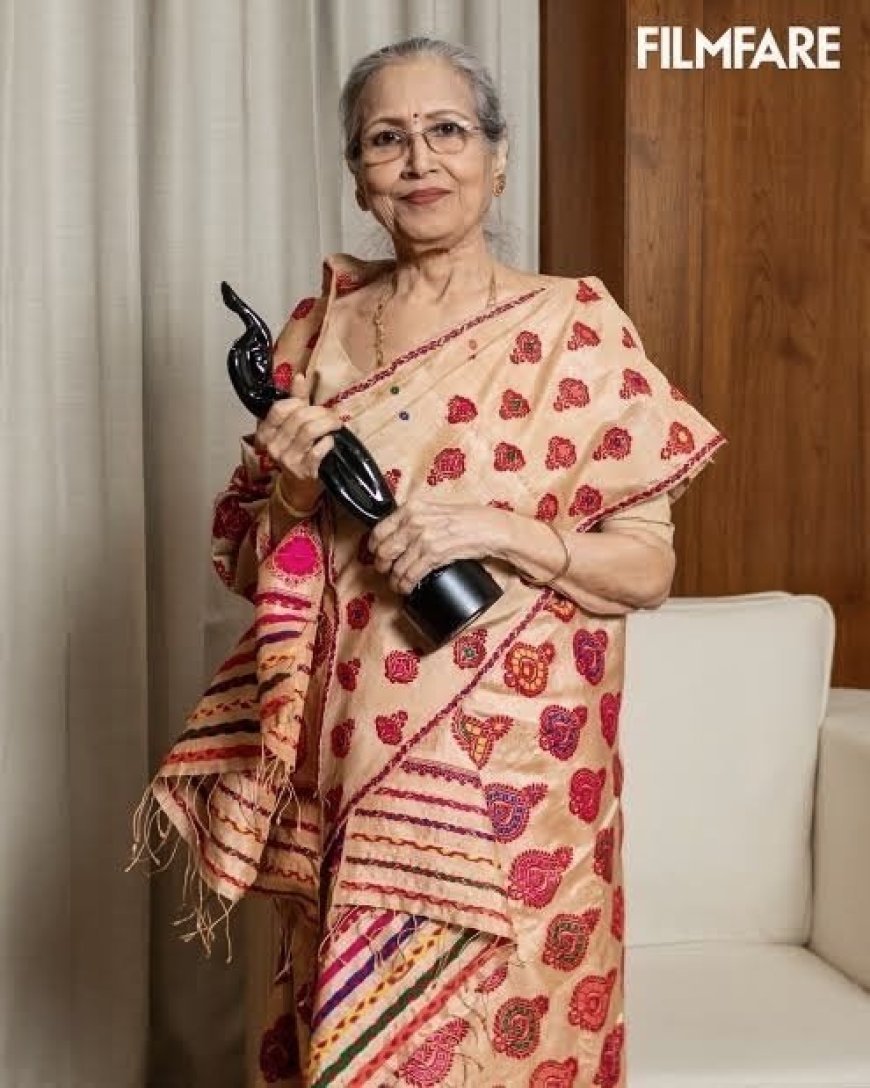
For her invaluable contributions to Assamese cinema, Bidya Rao was conferred the Lifetime Achievement Award by Jyotirupa, one of Assam’s premier cultural organisations. She was also honoured with the prestigious Natasurya Phani Sarma Award by the Government of Assam in 2008. In 2026, Bidya Rao was further recognised with the Lifetime Achievement Award at the Filmfare Awards Assamese 2026, presented in partnership with the Jeevan Ram Mungi Devi Goenka Public Charitable Trust.
****
What's Your Reaction?