











Review: Hudke ki Pyaang Pyaang (2026)

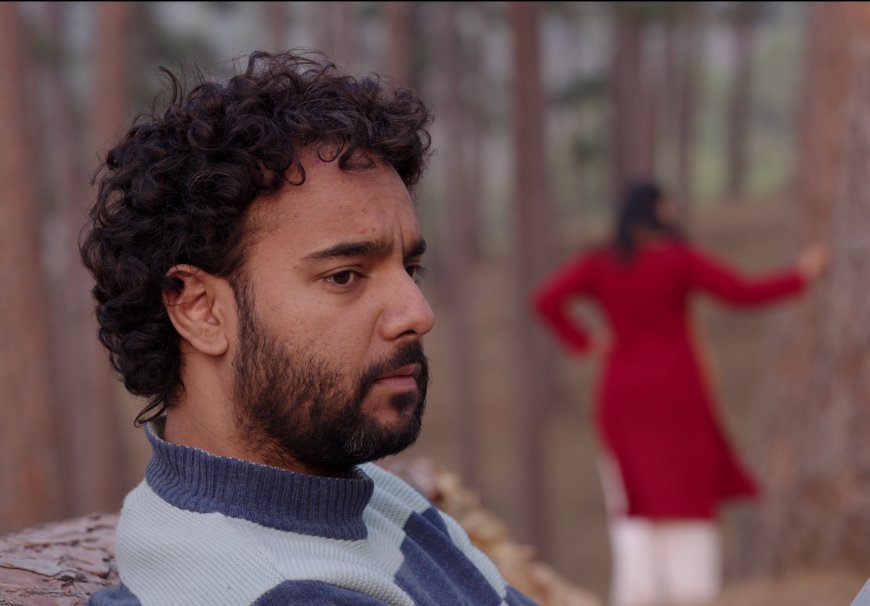
Arun Fulara’s Hudke Ki Pyaang Pyaang is an understated and perceptive exploration of caste, social mobility, and the compromises that accompany the pursuit of a better life.
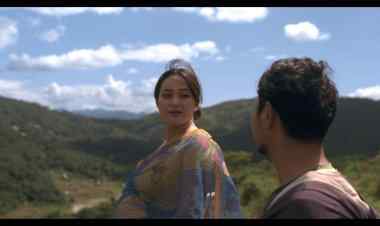
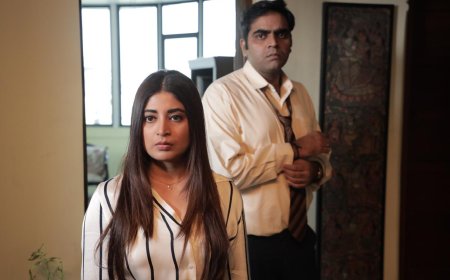
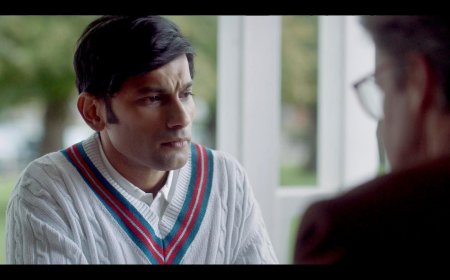
Set in a small Himalayan town, the short film centres on Vikas (Prakash Joshi), a Dalit schoolteacher whose aspirations extend beyond the confines of his inherited circumstances. He wants to secure a government teaching position in the city, a future he imagines sharing with Jyoti (Purva Pathak), his privileged-caste lover. The possibility of such a life, however, comes with an uncomfortable compromise. He must sell the ancestral music shop belonging to his ailing father, Jagjivan (Alok Kumar Verma), and bribe his way into the government position.
Fulara locates the film’s central tension in the gap between Vikas’s convictions and the compromises he is willing to make to escape his circumstances. He is less interested in offering a resolution than in examining the moral ambiguities of aspiration.
The opening classroom sequence establishes the film’s interest in the unequal distribution of opportunity through an apparently innocuous exercise. Vikas asks his students to tear a page from their notebooks and throw it into a dustbin. When a student sitting at the back objects that those in the front row have an unfair advantage, the ensuing disagreement acquires a significance beyond the immediate classroom situation.
The incident becomes an economical metaphor for caste privilege and the uneven conditions under which people negotiate their way through life. The children’s protest also anticipates Vikas’s own predicament. He understands the injustice of an unequal system, yet finds himself contemplating a compromise that would reproduce its logic.
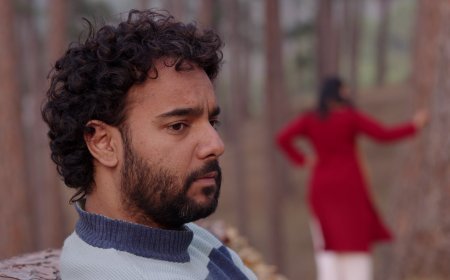
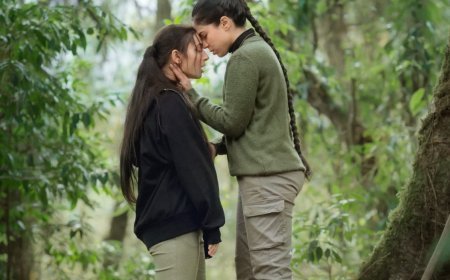
This contradiction becomes particularly apparent in his conversations with Jyoti. Their meetings in the woods offer moments of intimacy, but Fulara is attentive to the social distinctions that persist even in private spaces. Jyoti sits on the trunk of a fallen tree while Vikas remains seated on the ground beside her. It is a fleeting visual arrangement, almost subliminal in its effect, but one that suggests how differences of caste and privilege continue to shape their relationship.
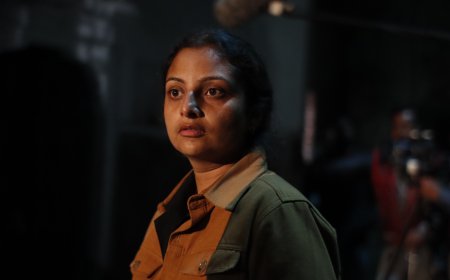
Jyoti, who has fallen in love with someone from the Dalit community despite the possibility of being ostracised by her own, is troubled by the compromises Vikas contemplates. When he questions how he could teach children after securing his position through a bribe, she responds with pragmatic scepticism, asking how teaching a dozen children could change the world. Their disagreement is not simply about professional ethics. It exposes two different understandings of what it means to challenge an established order.
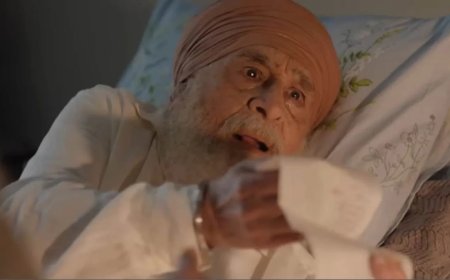
Jagjivan, meanwhile, represents an attachment to a past that Vikas increasingly regards as an impediment. Despite his failing health, the old man continues to smoke, struggles with his cough, and finds even the cough syrup difficult to swallow. His reluctance to part with the ancestral shop or leave the town frustrates his son.
Vikas’s exasperated remark—“Can't give up cigarettes, that silly shop, or this stupid town”—captures the impatience of someone who sees inherited attachments as obstacles to self-determination. Yet Jagjivan's resistance also gives the film an emotional counterweight. What Vikas regards as stagnation carries the weight of memory, livelihood, and belonging.
Joshi, Pathak, and Verma deliver restrained performances, keeping the interpersonal tensions from becoming overly declarative. Dhruvan Gautham’s cinematography makes thoughtful use of the Himalayan landscape, while Kalhan Raina’s sound design complements the film’s observational sensibility. Pardeep Patole’s editing maintains an unhurried rhythm that allows the silences and gestures to register effectively.
Hudke Ki Pyaang Pyaang resists easy resolutions. Pursuing a better future does not necessarily mean escaping the social structures and inherited prejudices that continue to shape one's choices. It leaves us with an unsettling question about how far one can move forward without carrying the inequalities of the past.
What's Your Reaction?