




























Review: Fleeing Iran (2026)

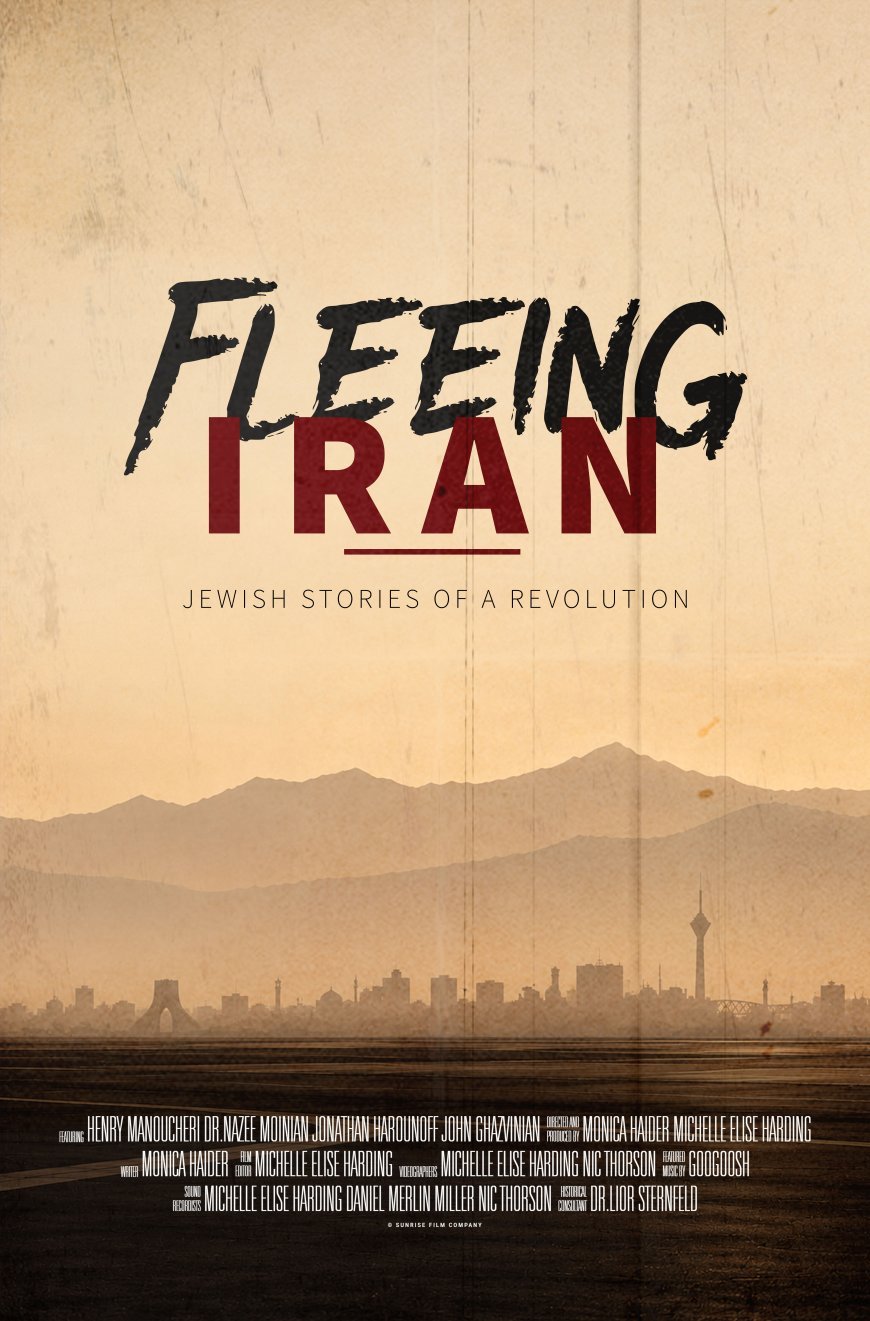
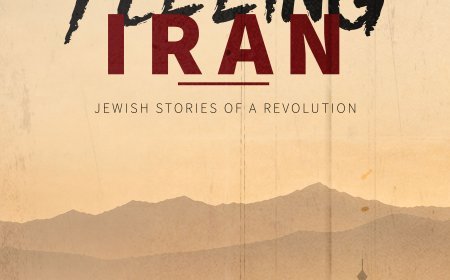
Michelle Elise Harding and Monica Haider's short documentary Fleeing Iran explores complicated relationships through the recollections of Persian Jews who left their homeland in the months preceding the 1979 Islamic Revolution. Nearly five decades later, their testimonies acquire renewed significance against the backdrop of continuing hostilities between Iran and Israel.
The documentary explores a particular kind of displacement that does not end with finding a new home. The country one leaves behind continues to inhabit the imagination, sometimes as a place of childhood happiness, sometimes as a source of unresolved grief. It places individual memories within a broader historical framework, tracing the long history of Jewish life in Persia and the political upheavals that eventually prompted many families to seek refuge elsewhere.
Archival footage gives the documentary a useful historical texture, taking us back to the final years of Mohammad Reza Pahlavi's reign, when the Shah's increasingly authoritarian government faced mounting opposition.
Historian John Ghazvinian offers a perspective on the monarch's political indecisiveness and his complicated relationship with the United States, providing context for the circumstances that preceded his departure in January 1979. Jonathan Harounoff, meanwhile, recalls the centuries-old Jewish presence in Persia, challenging the tendency to view Iranian Jewish identity exclusively through the prism of contemporary geopolitical divisions.
But the documentary becomes more compelling when it moves away from historical exposition and towards the personal consequences of leaving. Dr Nazee Moinian, whose family fled Iran in 1978, remembers growing up with a strong sense of being Iranian. Her Jewish faith was an intimate matter rather than a defining social distinction. She describes a community in which religious differences did not necessarily translate into divisions of identity. It is only after leaving that the hyphen in Iranian-Jewish becomes increasingly consequential. Her recollections of arriving in America convey the disorientation of having to construct a new sense of home while remaining emotionally attached to the one left behind.
Henry Manoucheri's account offers another dimension to this experience. His childhood memories of Tehran and Shiraz are infused with an affection for Persian culture, from its food and social customs to the everyday pleasures of family life. His recollection of watching fighter jets take off near his father's factory is particularly evocative, capturing a childhood world that political history would soon render inaccessible. He also speaks candidly about watching his father struggle with the loss of everything familiar, eventually recognising that survival required a willingness to begin again.
Harding and Haider's documentary is most persuasive when it allows these conflicting emotions to coexist. There is affection for Israel, an attachment to Jewish identity, and an enduring longing for Iran. These positions are not necessarily mutually exclusive, although contemporary political discourse often insists otherwise.
At times, the documentary's historical explanations and multiple perspectives compete with the intimacy of its personal testimonies. Nevertheless, its central concern remains worthwhile.
Moinian's observation that her family would never have left Iran had it not been for the revolution lends the documentary its emotional weight. What emerges is a portrait of people who found another country to call home without ever entirely relinquishing their attachment to the one they left behind.
Fleeing Iran reminds us that exile may change where we live, but it cannot always determine where we feel we belong.
What's Your Reaction?