


























Review: Nine Black Cats (2026)

Chris Zuhdi’s Nine Black Cats sets out to revive the disreputable pleasures of the high-stakes crime thriller, exploring the complexities of human identity through a world populated by lonely figures, shadowy conspiracies and the promise of violence beneath the neon-lit surfaces of urban life.
Following a nightclub murder involving a mysterious glowing blue powder, the film brings together Joe Pacifico, a suspended police detective, and Joan “Jo,” a waitress whose own isolation makes her an unlikely companion in the investigation. Their search leads them into a labyrinth of conspiracy, masked assassins and buried crimes.
The premise suggests the makings of an eccentric noir thriller. Yet, for all its stylistic ambitions, the film struggles to translate its atmosphere of menace into compelling drama.
Zuhdi displays an evident affection for the visual vocabulary of vintage science-fiction cinema, which is reflected in the film’s masked antagonists and their unsettling, almost otherworldly appearance. Clips from 1950s films and television programmes, including glimpses of Superman, alongside cartoons and archival material, are inserted throughout the narrative. These fragments evoke the texture of an older cinematic culture, though their relationship to the unfolding story remains difficult to discern. Rather than enriching the film’s world, they frequently interrupt its already uncertain narrative momentum.
The central problem, however, is one of narrative proportion. Nine Black Cats takes an inordinate amount of time to establish the rules of its mystery, leaving both its principal characters and the audience stranded amid a succession of obscure developments. There are flashes of an idiosyncratic filmmaking sensibility here, and the film is hardly without interest. But noir depends on more than atmospheric lighting, ominous music and the presence of concealed enemies. Its shadows must conceal something worth uncovering.
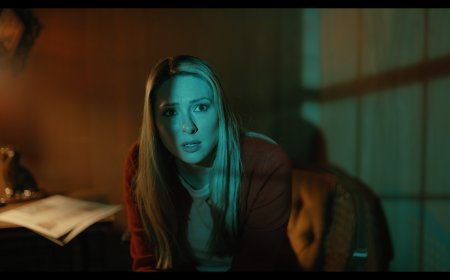
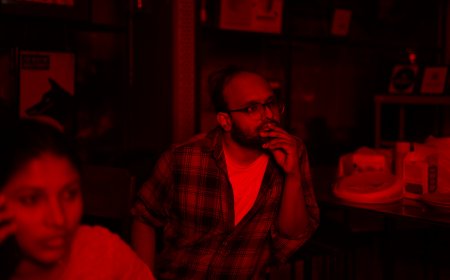
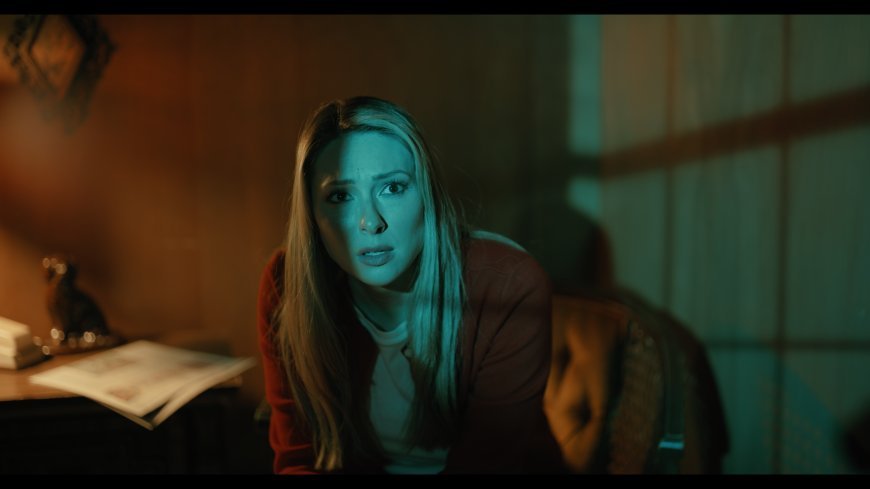
The film’s strongest qualities emerge from its technical construction. Cinematographer Justan Floyd makes effective use of colour, particularly the recurring blue imagery associated with the central mystery. The camera angles, compositions and lighting techniques lend several sequences a suitably foreboding quality, recalling both traditional film noir and the heightened visual stylisation of neo-noir. There is an attentiveness to visual texture, even when the production’s limited resources become apparent in the art direction. Caitlin Dodge’s work occasionally struggles to sustain the elaborate underground world the screenplay imagines, exposing the limitations of the film’s modest budget.
Sound, meanwhile, contributes considerably to the film’s brooding atmosphere. Sound engineers and editors Stephen Tackett and Josh Tackett create an uneasy interplay between classical music, popular culture and the film’s contemporary criminal underworld. These choices suggest a filmmaker interested in cinema as a collage of historical references, although the accumulation of such devices does not always produce a coherent aesthetic.
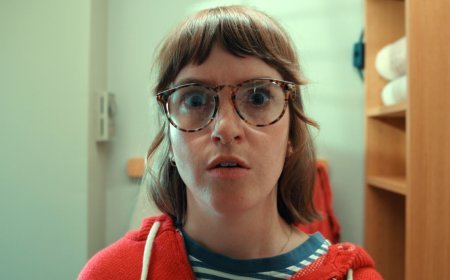
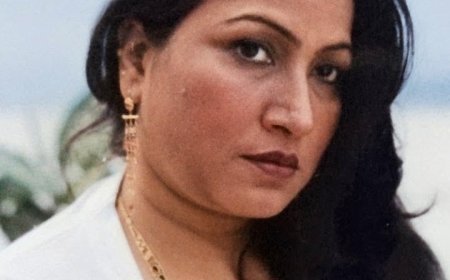
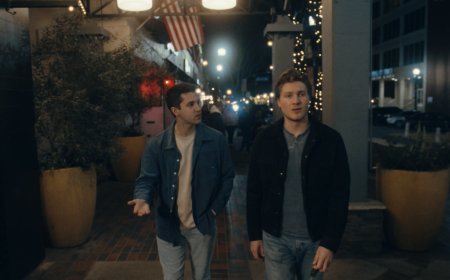
The performances are generally decent, with Chris Zuhdi bringing a measure of conviction to Joe Pacifico, Hannah Brantley lending Joan Du Parc a degree of vulnerability, and Bryce Barfield making a competent impression as Chief Eil.
With Nine Black Cats, Zuhdi constructs a world steeped in paranoia, corruption and uncertainty, but rarely gives its characters or their predicament sufficient emotional weight to make that world compelling. Despite its visual flourishes and evident affection for the conventions of noir, the film struggles to reconcile its stylistic ambitions with the demands of coherent storytelling. What remains is an earnest but uneven independent thriller whose visual imagination consistently outpaces its narrative execution.
What's Your Reaction?