























Review: My Comrade (2025)

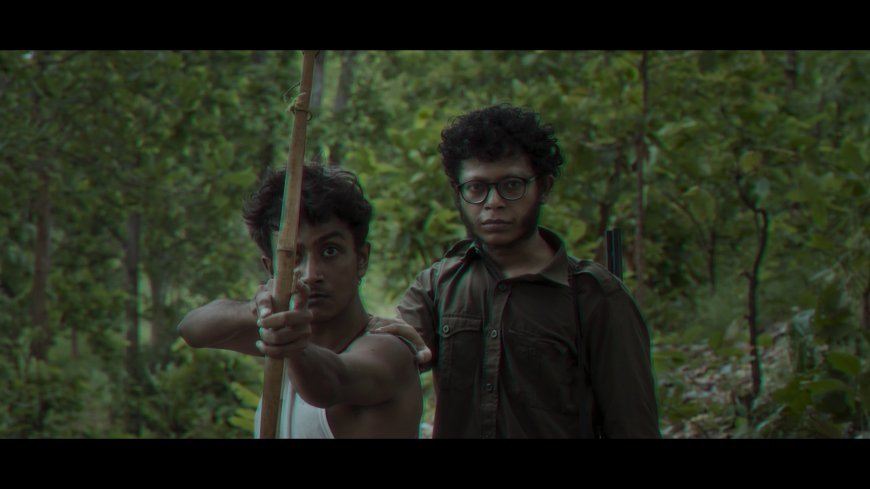
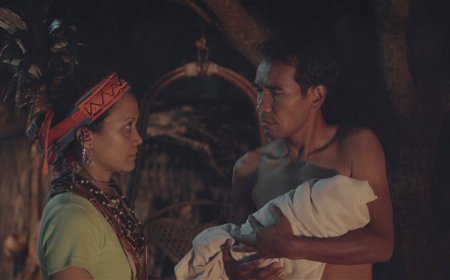
A wounded rebel, Bikash (Aratrick Bhadra), seeks refuge in the home of Nanda (Sounak Kundu), a tribal forager living with his wife, Jhumri (Adrija Majumder), in West Bengal’s forested hinterland. What begins as an act of shelter gradually becomes an uneasy intimacy, as desire, political violence, and suspicion seep into the household in Tathagata Ghosh’s deeply felt short film My Comrade.
Though ostensibly set against the Maoist conflict in India’s “Jungle Mahal,” the film is less interested in choosing sides than in observing what happens to people caught between opposing forces, for whom political allegiance is less a choice than a dangerous liability.
The film announces its political terrain with unusual directness. Its opening text recalls the 2006 Forest Rights Act, which recognised the land and resource rights of India’s forest communities, before noting that forests continued to be cleared for mining. Archival news footage follows, reporting clashes between villagers and police and the government’s claims of Maoist instigation. The effect is almost like watching a documentary. Before the characters have spoken, the film has established the historical circumstances that have shaped their lives.
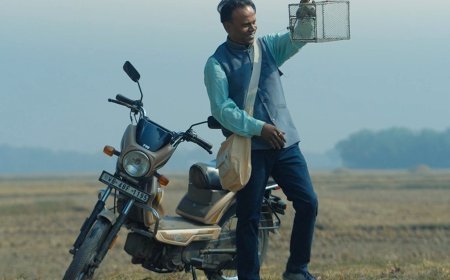
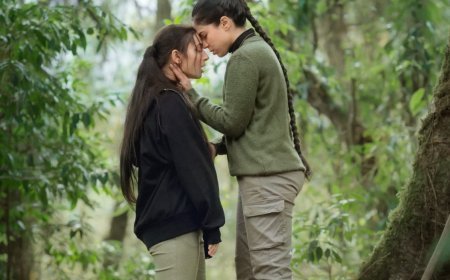
At its centre, however, the screenplay by Buan G. is a queer love story. Nanda, despite being married to Jhumri, is drawn to Bikash, and the film lets this attraction emerge through glances, silences, and an attentive gaze toward the body. Nanda’s interest in Bikash—watching his bare torso as he eats, or instinctively assuming a protective stance toward him—complicates the emotional arrangement within the household. Desire is neither announced nor neatly defined. It gathers in the spaces between what the characters say and what they leave unsaid.
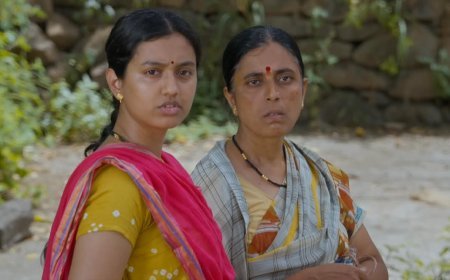
But My Comrade simultaneously moves beyond this explanatory frame. Nanda and Jhumri forage for a living because they have no farmland of their own. In one of the film’s most telling moments, Jhumri lashes out at Bikash. Due to the clash between the rebels and the police, no one is willing to employ them. The police suspect them of helping the rebels, while the rebels suspect them of being informers. Their lives, she says, mean nothing to either side. It is a fleeting outburst, but it gives the film its socio-political centre. The political binaries may be legible to those who wage the conflict. But for those living in its shadows and margins, it can become an indistinguishable form of abandonment.
The film’s refusal to romanticise its politics extends to the burgeoning relationship between the two men. Like the unrest surrounding them, Nanda and Bikash’s bond is vulnerable to betrayal. Whether the eventual betrayal is driven by money, emotional infidelity, or something less easily named remains uncertain. That ambiguity matters. The narrative understands that closeness, no less than political allegiance, is rarely governed by a single motive.
What makes My Comrade compelling is its refusal to reduce its conflicts to political binaries. It does not turn the struggle between the state and the rebels into a simple moral equation, nor does it make queer desire a convenient metaphor for political rebellion. Instead, it finds its most affecting material in the uneasy overlap between the two: in the lives of people whose bodies, desires, and loyalties remain exposed to forces larger than themselves.
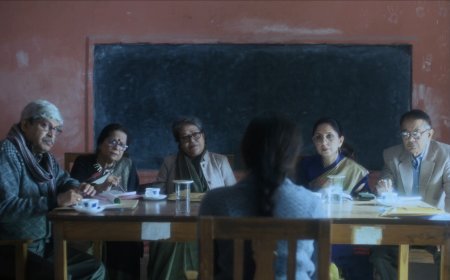
Much of the film’s emotional force comes from its sensory construction. The sound design by Sugoto Basu and Anindit Roy makes the forest an active presence: ambient rustle, stretches of stillness, and nocturnal sounds register the characters’ unease without spelling it out. In one striking sequence, Bikash visits a school where there are no students. The soundscape conjures the noise that is no longer there. It makes the empty building feel inhabited by the memory of a vanished community.
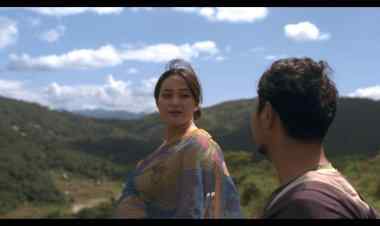
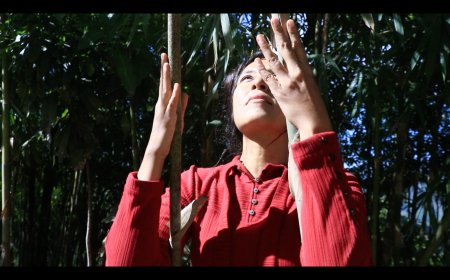
Tuhin’s cinematography moves between the expansiveness of the rural landscape and the intimacy of close framings, bringing the political and the personal into the same visual field. Nature is vast; the characters’ world is constricted. The camera’s proximity to Nanda and Bikash gives their attraction a physical immediacy without turning it into a declaration. Their desire feels instinctive, even primal, set against a landscape that is itself constantly under threat.
Amir Mondal’s editing allows these registers—the rhythms of the forest, the volatility of political violence, the hesitations of desire—to coexist without making one merely illustrative of another.
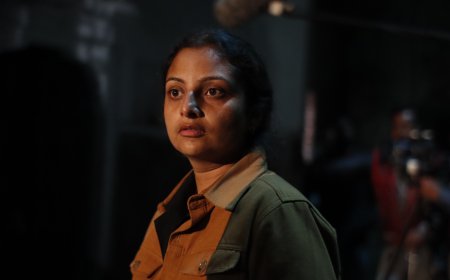
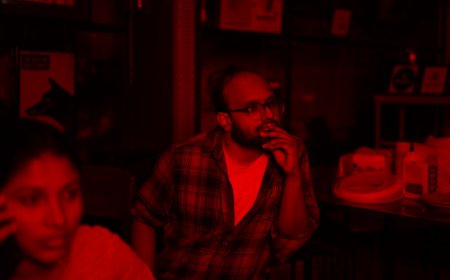
Aratrick Bhadra, Sounak Kundu, and Adrija Majumder bring a quiet intensity to the film. Bhadra gives Bikash a guarded vulnerability beneath his revolutionary conviction, while Kundu makes Nanda’s attraction and uncertainty palpable without turning them into declarations. Majumder, meanwhile, gives Jhumri a fierce, grounded presence, allowing her anger, protectiveness, and frustration to register as more than mere reactions to the men around her.
The film ultimately suggests that what politics leaves behind is not an abstraction but a collection of intimate wounds—desire, mistrust, and the stubborn need to find another person amid it all.
My Comrade will be screened at the Indian Film Festival of Melbourne on August 19.
What's Your Reaction?