





















Kokadeuta Nati Aru Hati 2: A Tired Sequel
Noted film critic Prantik Deka reviews the film

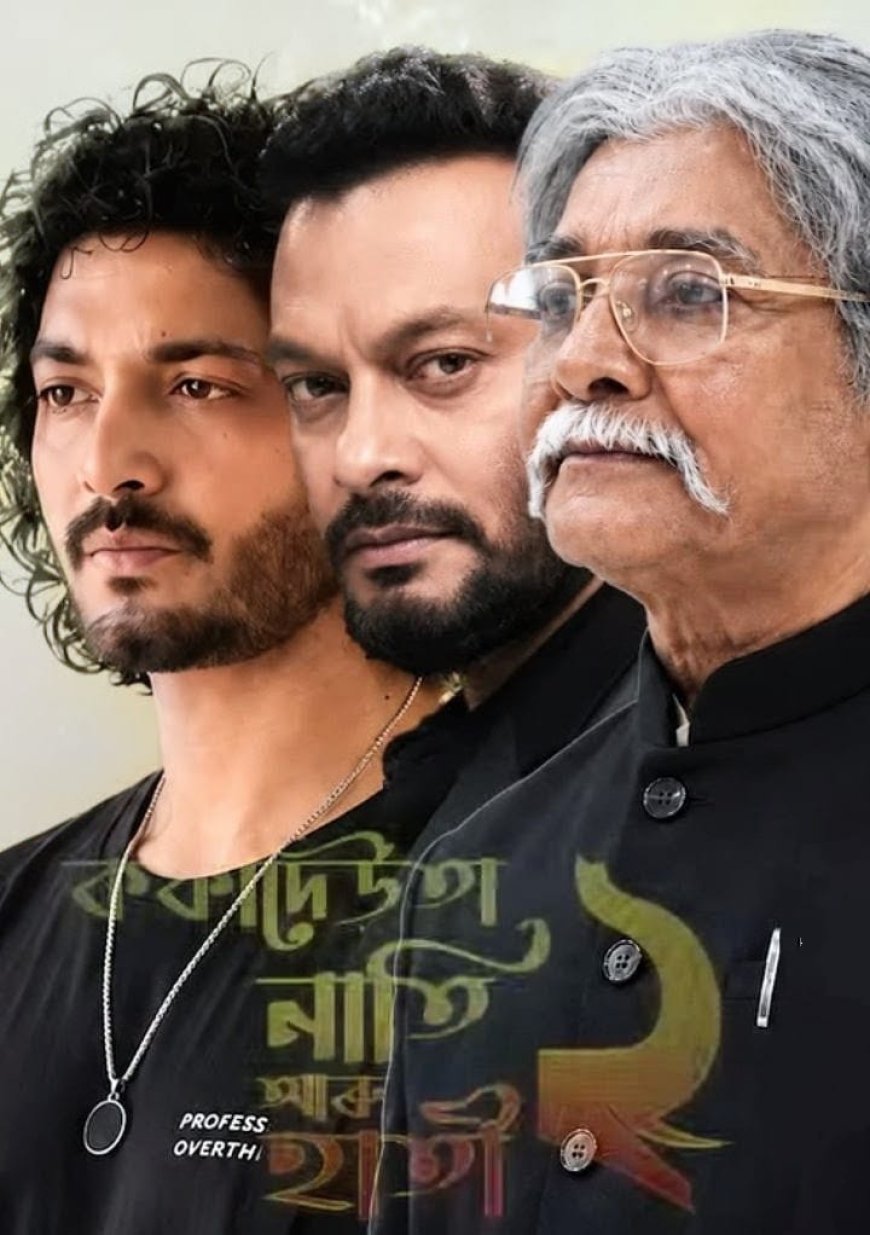
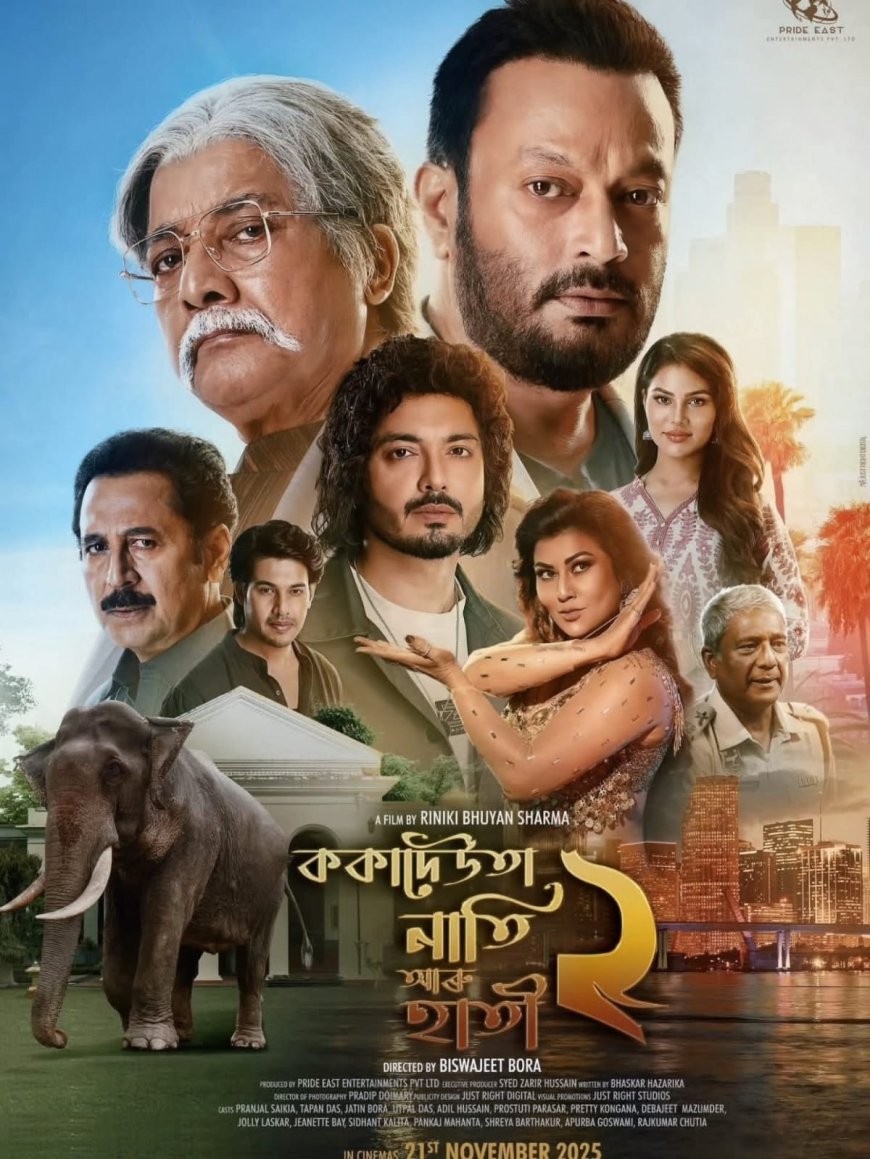
More than four decades after the release of the cinematic classic Kokadeuta, Nati Aru Hati, its highly anticipated sequel, Kokadeuta, Nati Aru Hati 2, officially hit the screens on July 3. Directed by Biswajeet Bora with a screenplay by Bhaskar Hazarika, this film is still running to packed audiences across various theatres in Assam. However, Kokadeuta, Nati aru Hati 2 struggles to capture the emotional charm of its 1983 predecessor, stumbling into predictable tropes and relies entirely on formulaic storytelling.
Instead of a seamless tribute, it serves as a polarising cinematic experiment that blends rural middle-class nostalgia with fast-paced, contemporary action, reflecting a modern shift in Assamese cinema.

The film embraces a classic Munin Barua blueprint, a cinematic formula that once captivated an urbanising audience torn between modern luxury and rural nostalgia. It revives the iconic 1990s and early 2000s trope of the globalised son returning to his roots, a narrative that originally reshaped commercial Assamese cinema during a period of intense neoliberal transition. By balancing the allure of Western mobility with a deep longing for the village soil, the story captures the evolving friction of a new middle class navigating identity, progress, and heritage.
Kokadeuta, Nati Aru Hati 2’s narrative unfolds with a poignant birthday celebration for the beloved elephant, Brikodar, who is unfortunately missing. Amidst grandfather Pranjal Saikia cutting the cake, a distressing phone call arrives from America — it is his estranged son, Jatin Bora. Declaring plans to send his son, Ankur (Utpal Das), to Kampur village, Bora triggers deep anxiety. However, the grandson arrives in a highly intoxicated state, creating an immediate rift. Despite strict disapproval, Ankur repeatedly succumbs to his vices. Returning to his roots in Kampur village, the American-raised Ankur discovers something far deeper than his ancestral home. He finds himself captivated by Tuhin, a simple village belle. As the personification of her village, Tuhin embodies the serene, untouched beauty of rural life. Through their blossoming romance, the quiet grace of the village sharply contrasts with the fast-paced, urban hustle Ankur left behind.
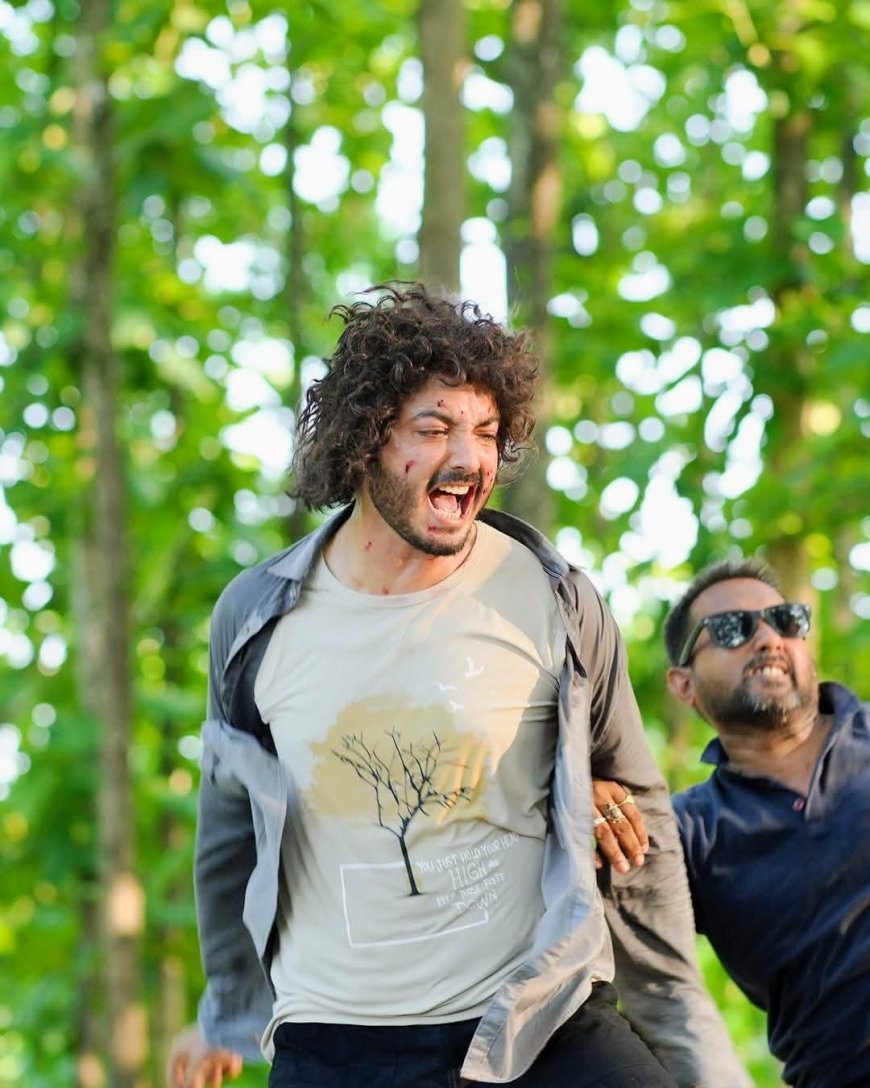
One feels that Utpal Das’s character should have been given more prominence, which might have elevated the film to another level. The elephant, Brikodar, should have been more deeply connected to Ankur in the first half. Furthermore, Ankur’s severe addiction required a more profound exploration. Meanwhile, the female lead, Preety Kongana, lacks a distinct identity or significance, merely playing a glorified supporting role to the hero.
One night, through the magical touch of Brikodar, Ankur was instantly transformed. He began to cherish his village and his grandfather, finally leaving his addiction behind. However, while driving alongside his grandfather one day, they were ambushed and attacked by a group of assailants. Injured and separated in the chaos, Utpal Das was left wounded by gunfire and lost deep in the forest. This thrilling uncertainty could have been stretched to build even more suspense.
Just a day into the second half, Jatin Bora arrives from America. Upon arrival, he meets his ailing father, Pranjal Saikia, and discusses matters over tea and coffee with his relative Birinchi, played by Tapan Das. At a moment when Jatin Bora should be consumed with anxiety for his son, seeing him sit casually and drink tea feels quite jarring.
Pranjal Saikia’s characteristic tendency to overact is on full display here; his strenuous efforts to evoke sadness fall flat and fail to move the audience, underscoring a clear need for stronger directorial restraint. Furthermore, while the film maintains a decent rhythm through the first half despite its deliberate pacing, this momentum comes to a grinding halt in the second half. The narrative collapse in the latter half is a direct consequence of a poorly structured screenplay. A weak screenplay almost inevitably compromises a film’s editing, and Kokadeuta, Nati aru Hati 2 is no exception.
What is glaring in the film is that the cultural divide is exaggerated throughout, symbolised by scenes like Ankur dipping Western pizza into traditional Assamese curd. His gripping battle with drug addiction serves as a clumsy metaphor for the tension between Western influences and local traditions. While he constantly preaches the rhetoric of American rights to his grandfather, the film’s conservative message is undone by its own commercial choices. For instance, the sudden transition to a flashy club dance exposes a sharp double standard; the inclusion of an item song, featuring a sensual, high-energy performance by Prastuti Parashar, revises the movie’s moral boundaries for the sake of mainstream entertainment.

Utpal Das delivers a commendable performance, though his portrayal of a drug addict feels somewhat unconvincing. Furthermore, his English pronunciation lacks the natural cadence of someone raised in America, and his English dialogue is quite limited. On the other hand, the performances by Tapan Das, Jatin Bora and Pankaj Mahanta stand out for their effortless nuance. Pradip Daimary deserves praise for his exceptional cinematography. Ultimately, Kakadeuta, Nati aru Hati 2 could have been a successful film had the creators focused more on a tighter screenplay and storyline, while also reducing its overall runtime.
What's Your Reaction?