












Manuhar Gaan: Unraveling the Socio-Political Soul of Bhupen Hazarika’s Music
Noted film critic, Prantik Deka writes

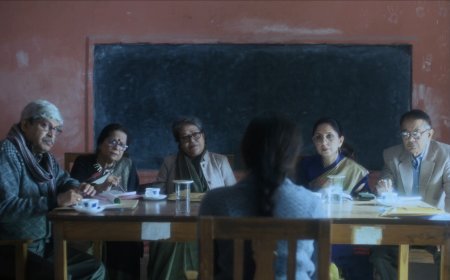
The film features Dr Hazarika’s associates and several grassroots singers in its effort to assess the impact of his songs across generations.
An academic documentary through which the makers have sought to pay tribute to the genius on his birth centenary year.
After the much-acclaimed Baruar Xongxar (The House of Baruas), Utpal Borpujari takes up another subject highlighting pathbreakers of Assamese culture.
As Assam prepares to celebrate the finale of Dr. Bhupen Hazarika’s birth centenary this September, filmmaker Utpal Borpujari has created a feature-length documentary highlighting how the maestro's songs powerfully tackled social and socio-political issues, aiming to bring this legacy to audiences beyond Assam and Bengal.
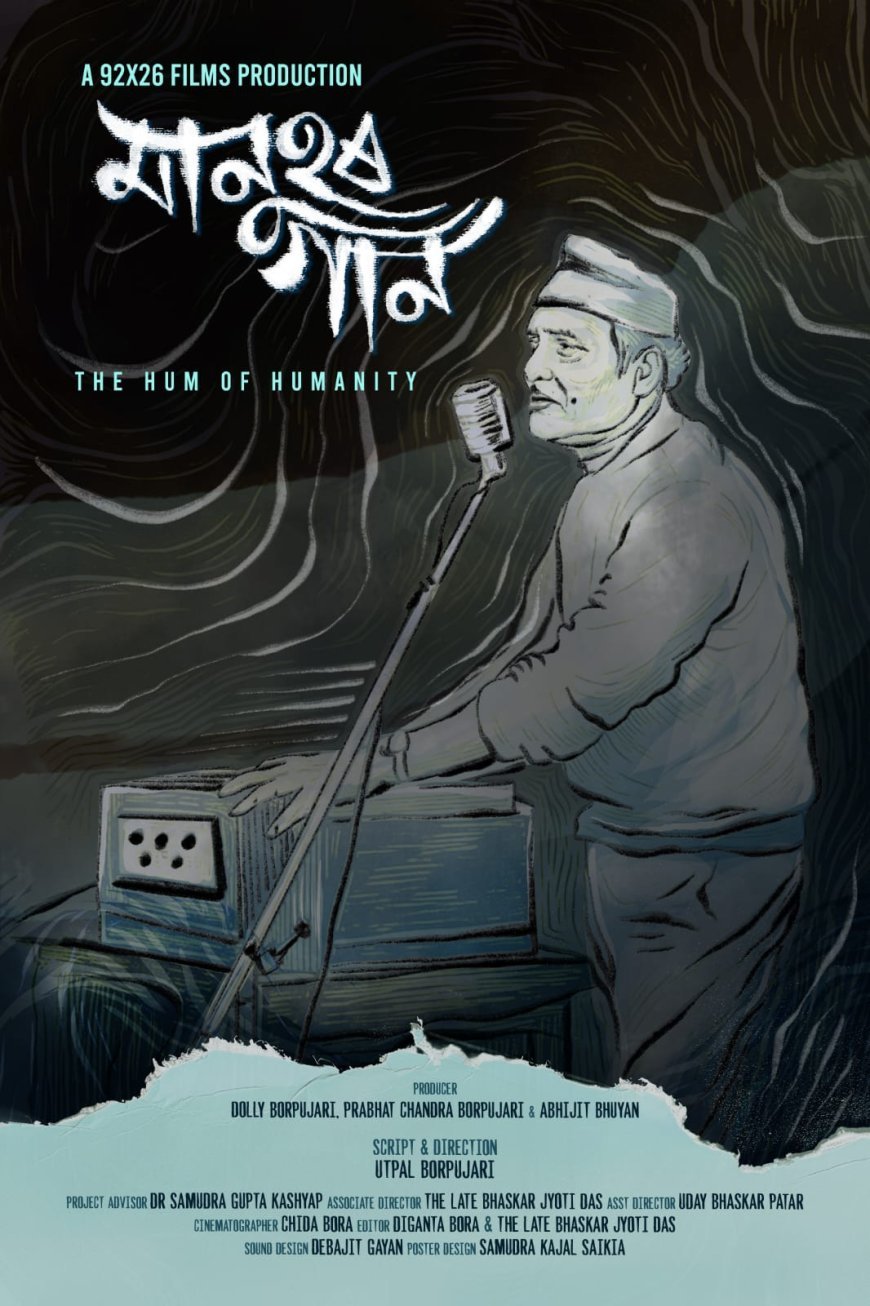
Titled Manuhar Gaan (The Hum of Humanity), the 82-minute documentary examines how Dr. Bhupen Hazarika’s timeless compositions chronicled social injustice and pivotal historical events, cementing his status as a visionary artist who championed the marginalised throughout his life.
“While the entire India knows him as a great musician, except for his ‘Dil Hoom Hoom Kare’ and ‘Ganga Behti Ho Kyon’, very few outside Assam and Bengal know the depth of his social commitment as an artist. This film strives to fill that gap in its own small way, even though we are fully aware that only one film cannot do justice to the huge expanse of his creative genius,” Borpujari said after the release of the poster and trailer of the documentary.
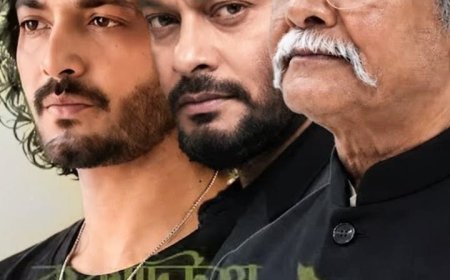
The poster and trailer were released by Dr. Bhupen Hazarika Cultural Trust president and noted singer Manisha Hazarika. “It is our tribute to the humanist that Dr. Hazarika was. He wrote and sang songs across genres, ranging from the most sensuous love ditty to songs celebrating Assam’s seasons. However, it is the social responsibility that he consciously practiced throughout his life that makes him one of India’s most important artists ever,” Borpujari said.
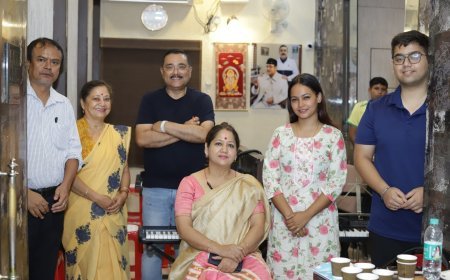
“We also have plans to release the unused footage, especially portions of interviews that could not be included in the final film, on YouTube later so that they can be of use for academics, researchers and others interested in Dr Hazarika’s music,” said producer Abhijit Bhuyan. The launch event featured an engrossing panel discussion titled, “Have we failed to adequately share the vastness of Dr. Bhupen Hazarika’s creativity with the outside world?” Senior journalist Bhupendra Nath Bhattacharyya moderated the session, which included singer and nephew Mayukh Hazarika, senior theatre and film personality Nayan Prasad, scientist and poet Bipuljyoti Saikia, critic and poet Aparajita Pujari, and author Manaswinee Runumi Mahanta. Produced by Dolly Borpujari, Prabhat Chandra Borpujari, and Abhijit Bhuyan under the banner of 92X26 Films, Manuhar Gaan took eight years to complete. It was purely a passion project that faced funding issues during and after the Covid pandemic. “While we had filmed a major portion of the film in 2018, the remaining portions were filmed last year, even while the editing of the large amount of footage had been going on all these years,” Borpujari says about the film, which was shot across Assam.
The film features noted personalities like the late Dr Dilip Kumar Datta, who authored the iconic Bhupen Hazarikar Geet Aru Jiwan Rath; Dr Hazarika’s sister, the late Sudakshina Sarma; his nephew, the late Hrishiraj Sarma; and his close associates, the late Ratna Ojah and Dilip Hazarika. It also features musicians Kamal Kataki and Rupam Talukdar, who performed with Dr Hazarika for many years; the noted singer-author Loknath Goswami; and singers Nayan Axom Koliaboriya, Asha Sarmah Kataki, Bipul Kathar, and Ranjan Kumar Dutta, as well as the noted journalist-author Dr Samudra Gupta Kashyap and several others. Grassroots singers like Manik Chandra Bordoloi of Boko and Molan Gogoi of Dhalpur village near North Lakhimpur, as well as child singer Chaokhun Gogoi of Sivasagar, also feature in the film.
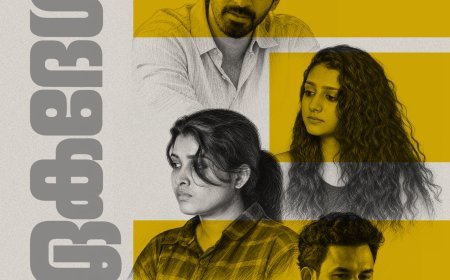
The film’s crew features cinematographer Chida Bora, editor Diganta Bora, sound designer Debajit Gayan, assistant director Uday Bhaskar Patar, and second unit cameraman Rituraj Shivam. The late Bhaskar Jyoti Das served as the associate director and editor, while Samudra Kajal Saikia designed the film’s evocative poster.
What's Your Reaction?