



































Review: Moti (2025)

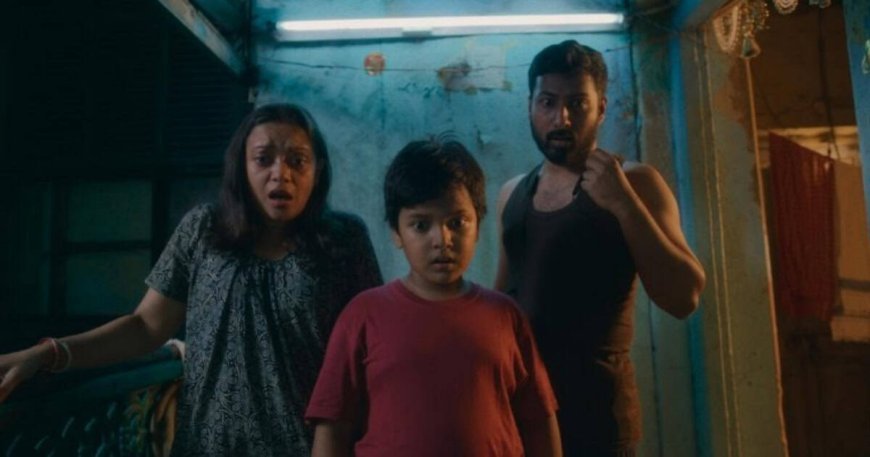
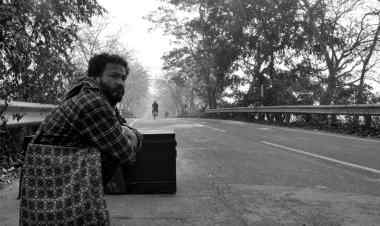
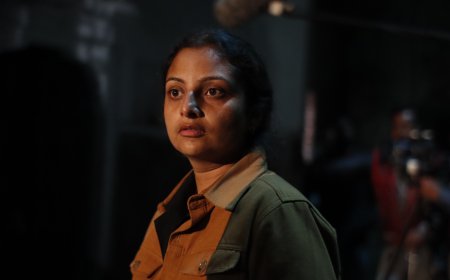
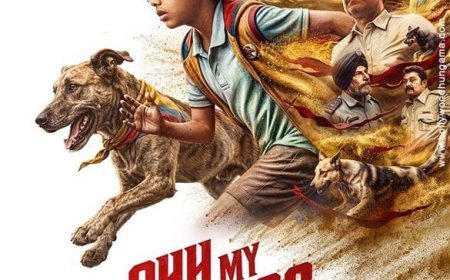
Yash Saraf's Moti opens with a premise that slips through the cracks of logic, settling somewhere between realism and absurdism: a family's beloved dog wakes up one morning transformed into a young boy. Yet rather than exploiting its fantastical conceit for easy laughs or sentimental fantasy, the short film treats the impossible with startling matter-of-factness. In doing so, it becomes a quietly incisive reflection on how human beings adapt when reality changes so radically that reason itself begins to feel unreliable.
The transformation at the heart of the titular protagonist is never intended to be solved. Instead, Saraf is interested in the ripple effects of accepting the inexplicable. The family quickly moves from shock to accommodation, while a doctor attempts to rationalise the impossible through the familiar language of diagnosis, facts and medical logic. The irony is deliriously understated, where the explanations are delivered with scientific certainty even though the very condition they seek to explain is patently absurd. The humour emerges not from mocking science but from exposing our instinctive need to impose order on events that resist explanation.
The film's surrealism is rooted in a recognisable emotional landscape. Conceived in the aftermath of the COVID-19 pandemic, it channels the collective disorientation of a period when uncanny events became part of everyday life. During those years, phrases that once belonged to speculative fiction entered ordinary conversation, while the unbelievable gradually acquired the authority of fact. Saraf translates that lingering sense of unreality into a deceptively simple allegory. Here, a miraculous transformation becomes less shocking than the routines people construct around it.
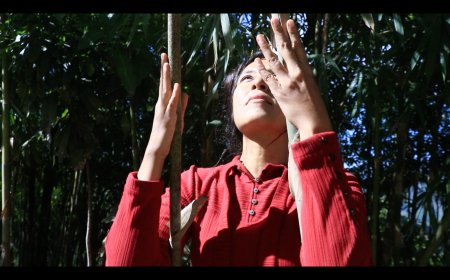
The metaphor deepens as Moti loses his sense of smell. For a dog, smell is fundamental to understanding and navigating the world; deprived of it, he is forced to relearn existence from an entirely new perspective. The loss inevitably recalls one of the defining symptoms of COVID-19, yet the film resists becoming a literal pandemic parable. Instead, it broadens into a meditation on adaptation itself, capturing the vulnerability of having to reorient one's identity when the instincts that once offered certainty no longer function.
The narrative seamlessly fluidly moves between absurdist comedy and melancholy without allowing either to dominate. The burlesque-like situation arises from the deadpan acceptance of impossible situations, while the emotional weight accumulates almost imperceptibly through Moti's gradual confrontation with a body and world that no longer behave according to expectation. It is a difficult balance to sustain, but the filmmaker maintains it with impressive confidence.
Vaishnavi Upadhyay's editing keeps the film lively, with well-timed cuts that heighten the humour, while Rusha Bose's evocative cinematography uses thoughtful compositions to capture the absurdity of each situation with understated elegance.
Drawing on a surreal cinematic vocabulary while refracting it through the collective disorientation of the pandemic, Saraf crafts a quietly pointed satire of contemporary society. Rather than asking who is responsible for a world that feels increasingly fractured, the film accepts that disorder as its starting point, finding unexpected tenderness and humour in the ways people learn to live with an altered reality.
Moti is currently available on Nowness Asia.
What's Your Reaction?