













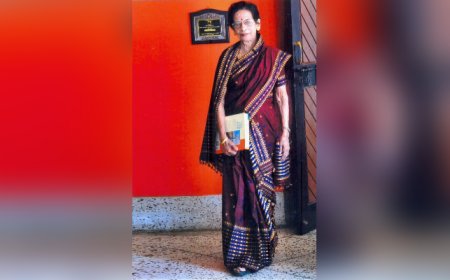


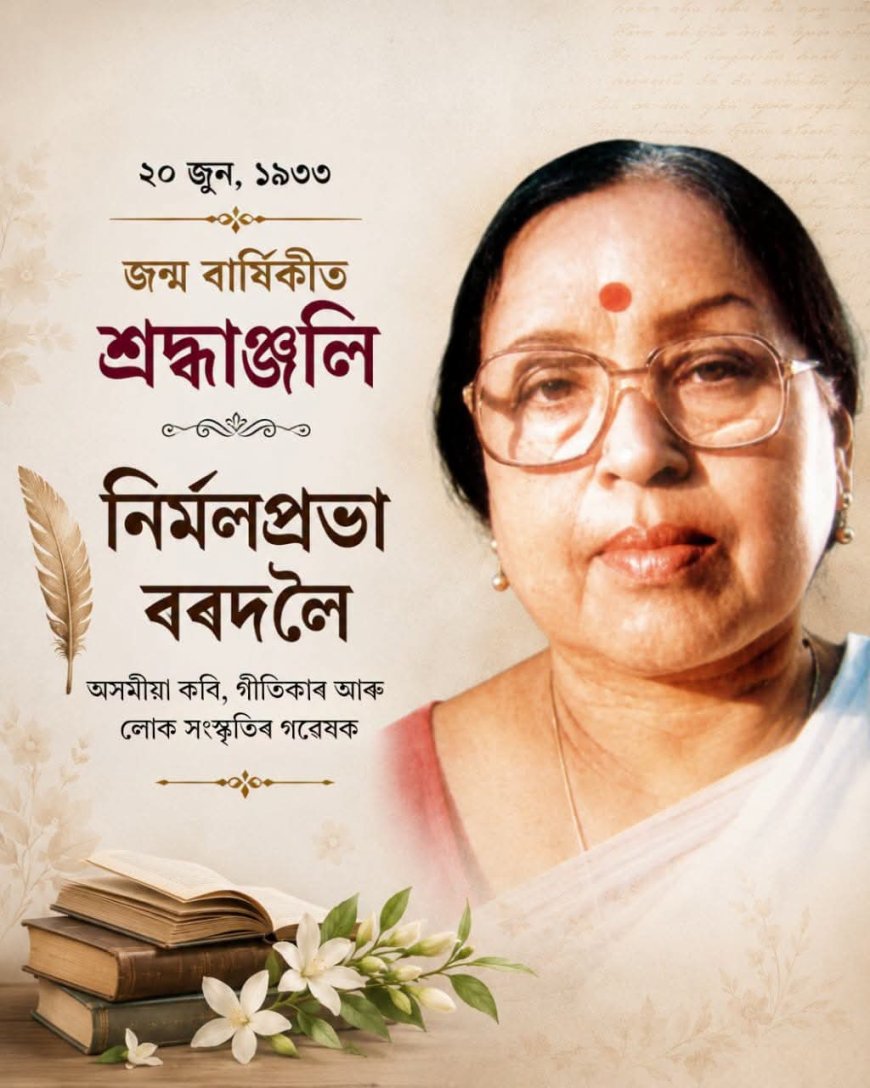
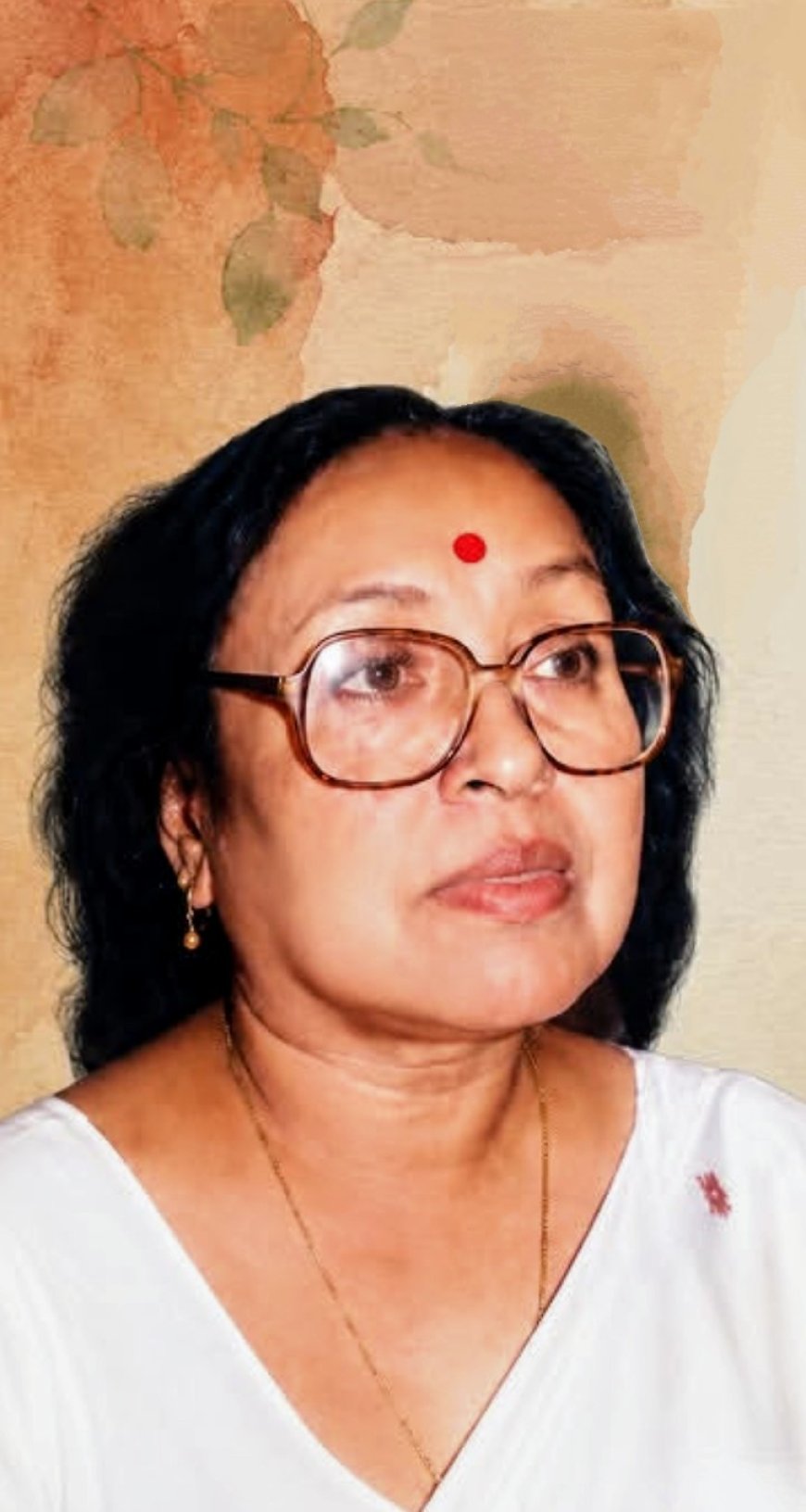
The Luminous Legacy of Dr Nirmal Prabha Bordoloi
Film critic Prantik Deka critically looks at the the legacy of Dr. Nirmal Prabha Bordoloi

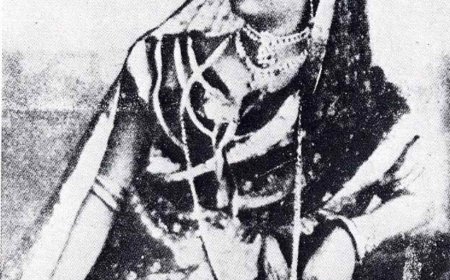
However, historical accounts reveal a harrowing reality: he subjected his child bride, Nirmal Prabha Bordoloi—young, vulnerable, and completely unprepared for marriage—to relentless domestic abuse. This systematic cruelty culminated in a forced pregnancy when she was just 13 years old. In those days, deliveries were typically conducted at home, often leading to the tragic death of the mother, the newborn, or both. Fortunately, thirteen-year-old Nirmal Prabha safely survived the ordeal and was blessed with a healthy baby girl. But complications lay ahead: her husband had already remarried. When he aggressively demanded that Nirmal Prabha return to him with their daughter, her father firmly stood his ground. He resolutely refused to send his daughter away to live in the shadow of a co-wife.
In the wake of this tragedy, Nirmal Prabha’s father handed her a Gita and inspired her to embrace life. She would later call this her rebirth—the moment she rose like a phoenix from the ashes to soar.
A defining chapter closed for Nirmal Prabha Bordoloi, and a new, defiant one emerged. Her family chose education over tradition, sending her to school against rigid social norms. For this daring decision, they faced harsh ostracism from the community.
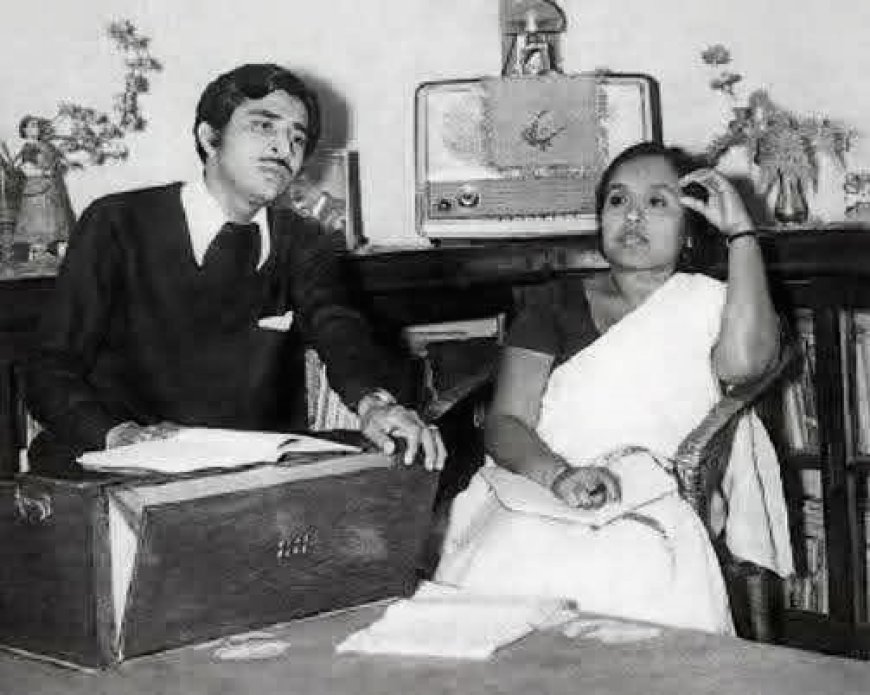
Nirmal Prabha embarked on her educational journey at Fuleswari High School in Sivasagar. In the eyes of a superstitious few, however, she was seen as a living widow, a bad omen meant to ruin any trip. Yet, Nirmal Prabha did not pause or look back. In due time, she passed her matriculation in the first division with high honours and enrolled at Joysagar College. Following the completion of her Intermediate of Arts (I.A.) under the education system of that era, Nirmal Prabha journeyed to Guwahati. Her intellectual odyssey truly commenced at Handique Girls’ College, where she graduated with Honours in Assamese. Building upon this foundation, Nirmal Prabha Bordoloi earned her Master’s degree from Gauhati University, before reaching the pinnacle of her academic endeavours by securing a PhD. She began her illustrious teaching career at B. Borooah College in Guwahati and subsequently joined the faculty at Gauhati University, where she dedicated years to teaching and research.
Throughout her life’s journey spanning seventy years, Dr. Nirmal Prabha Bordoloi’s contributions to Assamese literature and language were not merely measured by their volume, but defined by their profound, towering brilliance. Her literary genius did more than expand the horizons of the written word—it gently stirred and elevated the very soul of Assam.
What was Dr. Nirmal Prabha Bordoloi not? A poet, lyricist, pioneer of children’s literature, researcher, and translator—she embodied an extraordinary, multi-faceted genius. Bordoloi’s expansive literary and academic corpus comprises 85 published volumes alongside a substantial body of performance scripts. Her scholarly output includes 13 pedagogical and academic textbooks crafted for secondary and higher education, supplemented by 12 edited volumes. Within creative literature, Dr. Bordoloi authored 17 core literary works, including her critically acclaimed poetry collections Bon Faringar Rang (The Colour of the Grasshopper) and Sudirgha Din Aaru Ritu (Long Days and Seasons). Published in 1983, Sudirgha Din Aaru Ritu is widely considered her ultimate masterpiece, earning her the prestigious Sahitya Akademi Award that same year. The collection is highly praised for its unique blend of romantic modernism, seasonal symbolism, and psychological depth. Beyond poetry, her creative portfolio spans three comprehensive anthologies compiling more than 500 musical lyrics. Her contributions to performance media encompass 12 theatrical plays and dance-dramas, alongside 11 radio broadcast scripts. Furthermore, her diverse career extended to 25 children’s books, two literary translations, and a monographic travelogue. As a prominent cultural figure and winner of the President’s Award for Children’s Literature for Chil Chil Chila, Dr. Nirmal Prabha Bordoloi shared her profound literary and academic expertise at numerous seminars across India and internationally.
In addition to her creative pursuits, Dr. Bordoloi illuminated the profound spiritual landscapes of Assam by dedicating her life to uncovering the region’s deep, indigenous religious roots. Her monumental studies seamlessly blended ancient texts with active fieldwork, as demonstrated in her 1986 seminal book, Devi. Exploring regional Tantrik Sadhana and Shakti worship, this work earned her the prestigious Asom Sahitya Sabha award and the revered title of ‘Saraswati’ from the Sanskrit Samaj of Assam.
She followed this success with Suryya in 1988 (reissued in 2008), a scholarly exploration of the Sun Cult analysed through a Pan-Indian perspective. In 1997, she completed her companion research volume, Shiva, which meticulously tracks the evolution of the local Shaivite cult. Together, these three definitive volumes are celebrated in Assamese literature as her famous research trilogy.
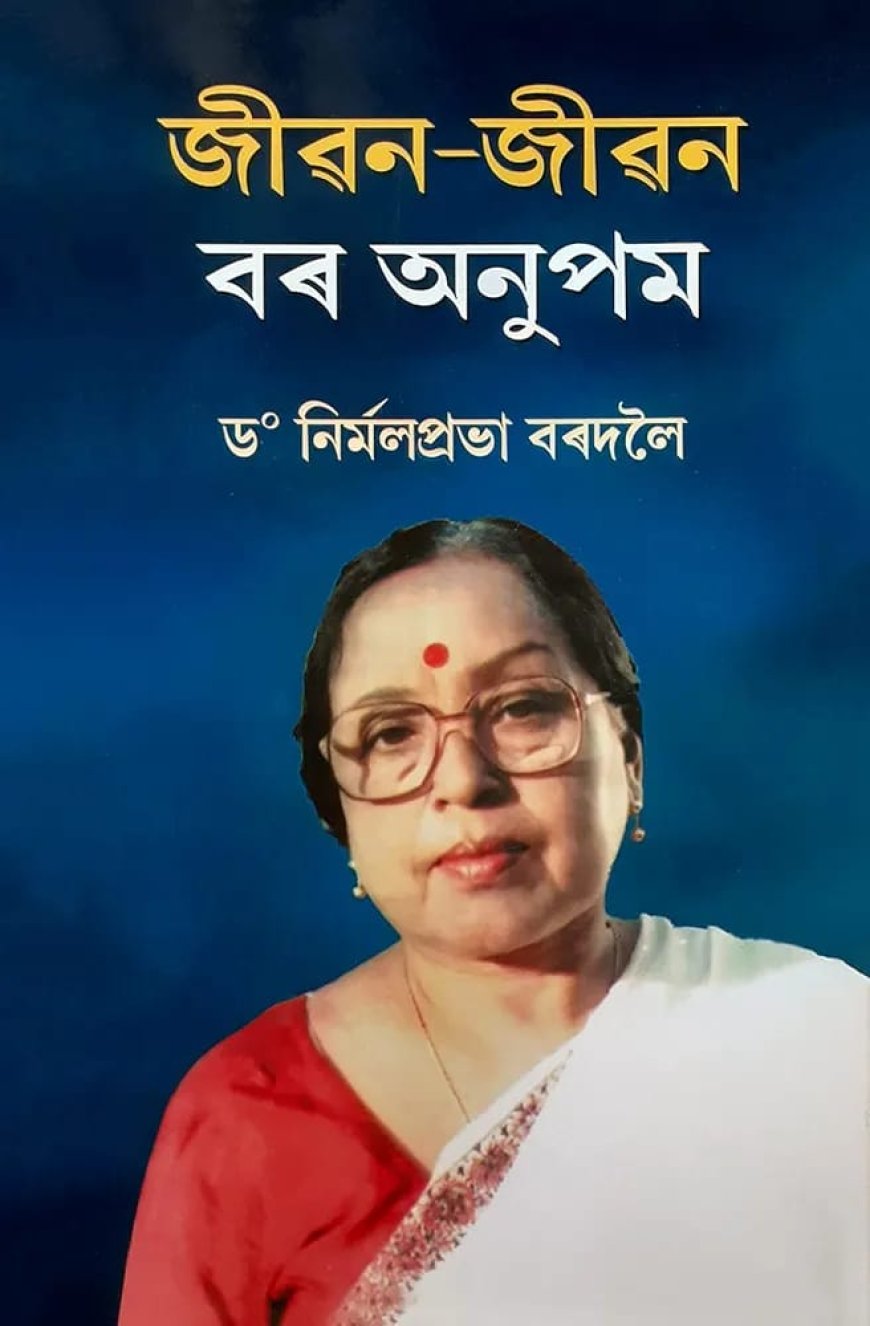
Dr. Nirmal Prabha Bordoloi’s autobiography, Jeevan-Jeevan Bor Anupam (Life, Life is Most Exquisite), stands as a powerful testament to human resilience. Reflecting on her journey, Dr. Bordoloi—who braved a tumultuous existence as a single mother raising a child who would never know her father—beautifully captured the essence of her journey by writing, “It is precisely because my life was so defined by struggle that it became truly exquisite; for without those hardships, I would never have tasted the profound sweetness of this grand existence.” Ultimately, her story teaches us that true peace comes from embracing our struggles, allowing us to deeply appreciate the beauty and profound meaning of life itself.
Dr. Nirmal Prabha Bordoloi possessed a remarkable talent for composing lyrics based purely on melody. A few of those instances have been included in this piece. At the time, Dipali Barthakur was rising to prominence, establishing her footprint in the world of music. One day, her brother, Bhaben Thakur, visited Dr. Nirmal Prabha Bordoloi with an earnest request. He pleaded for a beautiful song, a melody of profound depth, that his sister Dipali could perform. Dr. Nirmal Prabha Bordoloi had just begun her career as a college professor and was severely pressed for time. Facing this constraint, she proposed an unconventional solution: “Play the melody on the harmonium in the next room while I take a shower. I will listen to it from there.”
As the music drifted through the walls, she listened intently. The moment she stepped out, she penned down the lyrics and handed them over. That very song went on to become the legendary masterpiece: Xunor kharu nelage muk, Biyar babe aai, Seneh jori toi diya muk, hatote xuwai (I do not need gold bangles for my wedding, O Mother. If I have your love to decorate my wrists instead).
The inception of another popular song was truly remarkable. During a traditional Khoba-Khubi ceremony at a local residence, the renowned poet Hiren Bhattacharyya, legendary singer Jayanta Hazarika, and eminent lyricist-scholar Dr. Nirmal Prabha Bordoloi happened to be present together. Known for his whimsical nature, Hiren Bhattacharyya—widely known as Hiruda—playfully challenged Dr. Nirmal Prabha Bordoloi to write a song within three minutes, which Jayanta Hazarika would then compose the tune and perform on the spot. Tearing open a cigarette packet, Hiruda handed her the blank cardboard inside. On that makeshift canvas, Dr. Nirmal Prabha Bordoloi penned the timeless lines: Agoli batahe kopale kolore paat, mon uroniya herale batore aat (The gentle breeze rustles the tender banana leaf; my restless mind has lost its way). Composed and sung by Jayanta Hazarika, this iconic melody was later recorded by HMV and rose to the absolute peak of popularity.
The beautiful, poignant lyrics churned out by Dr. Nirmal Prabha Bordoloi found their perfect destiny in the golden, soulful voice of Jayanta Hazarika. Together, they left behind an unforgettable musical legacy in Assam. Who can ever forget their timeless classics like Tomar Marame Mor, Akou Notun Pravat Hobo, Dekha nai aage ene sobi dekha nai, Ketiaba Bejarote, Mor Minati, Ei Laganat Kolu, and Nibir Bone Je?
Another song written by Dr. Nirmal Prabha Bordoloi that comes to mind is the iconic Assamese masterpiece Sandhiyar Akashat Bogoli Ure. The song’s evocative verses were brought to life by composer Jiten Deb. Originally rendered by Minakshi Devi on All India Radio in the 1960s, this timeless melody was later embraced by modern voices like Tulika Das Senapati and Chayanika Baishya. Infused with deep emotional resonance, the song carries a profound grace that frequently moves its listeners, especially women, to tears.
Returning to a couple of interesting anecdotes: one day, Jayanta Hazarika brought a melody to Dr. Nirmal Prabha Bordoloi, hoping she would pen lyrics for it. However, her home was brimming with guests that night. By the time she finally tended to everyone, it was already ten o’clock, and a heavy exhaustion began to weigh on her. Undeterred, Jayanta perched on the arm of the sofa and played the tune on his harmonium; yet, before the melody could even conclude, Dr. Nirmal Prabha Bordoloi had succumbed to a deep, peaceful sleep.
The next morning, as she went for her dawn walk, the lingering notes of the melody began to whisper gently in her ears. Returning home, swept by a wave of inspiration, she penned the lyrics and immediately sent for Jayanta Hazarika. Upon hearing it, Jayanta exclaimed in admiration that the rhythm, tempo, and emotional cadence aligned perfectly with his vision. That effortlessly born masterpiece was none other than the iconic song: Xaar Pam Moi, Puwoti Nikhate, Niyor Jetia Xore, Bator Xukan, Dhulit Xemeka, Jitu Prohor Kore, Aai Muk Jogabi, Aai Muk Jogabi (I will wake up at early dawn, when the dew drops fall, on the dry paths and the damp dust. At that very hour, Mother, wake me up. Mother, wake me up).
The genesis of another well-known song unfolded beautifully on a bustling street. While Dr. Nirmal Prabha Bordoloi was travelling on a rickshaw to her college, she crossed paths with the acclaimed singer Pulak Banerjee. He had arrived with a captivating melody in mind, urgently needing lyrics because the song was scheduled for recording at All India Radio the very next day. Stepping down from the rickshaw, she began to walk. As Pulak Banerjee walked alongside her, humming the tune step by step, she effortlessly spoke the lyrics to him in response. By the time they reached the college gates, a timeless song had been perfectly composed. Later, Pulak Banerjee came and told Dr. Nirmal Prabha Bordoloi, “Sister, everything has aligned perfectly; the words have seamlessly dissolved into the melody.” That melody began with the line, Moi Janu Tumi Ratir Junak.
The musical maestro Dr. Bhupen Hazarika also composed and lent his legendary voice to the soul-stirring lyrics of Dr. Nirmal Prabha Bordoloi, breathing musical life into her poetic gems like Sagar Tirat Pori Rolu Ami, Xou kajol kajol megh, Dhumuhat moi thoi jam mor goti, Moi ei matire lora, etc.
Though frequently overlooked by mainstream feminist discourse, Dr. Nirmal Prabha Bordoloi stands as an enduring emblem of quiet, fiercely resilient womanhood; having courageously transformed the profound trauma of an early child marriage and the crushing societal stigma of abandonment into a lifetime of triumphant self-reconstruction, she ultimately shattered the rigid boundaries of a cruel, ultra-conservative world to become one of the most luminous, multi-faceted architects of Assamese literature.
What's Your Reaction?