

















Review: Satluj (2026)

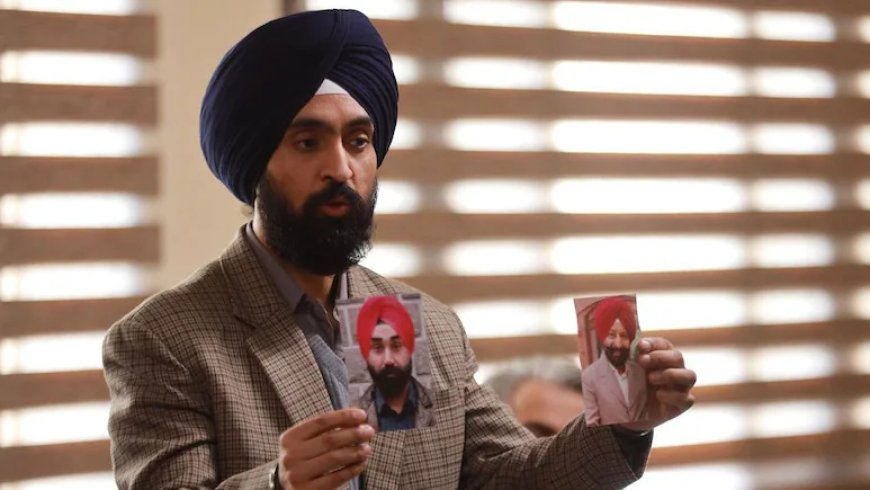
Honey Trehan's Satluj (formerly Punjab 95) recounts social activist Jaswant Singh Khalra's (Diljit Dosanjh) fight to expose thousands of extrajudicial cremations during Punjab's insurgency in the 1990s. In the process, it revisits one of the darkest chapters in modern Indian history while examining the rhetoric of dehumanisation that can take root within a democracy.
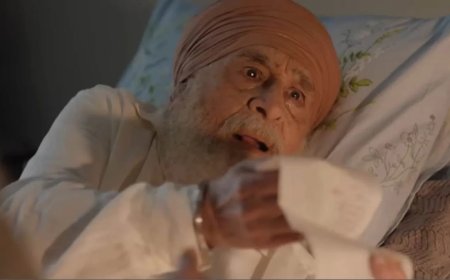
The screenplay by Trehan, Niren Bhatt, and Utsav Maitra gradually reveals how mundane municipal records and official documents evolve into incriminating evidence, exposing a system in which extrajudicial killings became a pathway to professional advancement. Rather than manufacturing suspense, it allows each revelation to emerge organically, letting the investigation drive the narrative and demonstrating how facts can challenge even the most deeply entrenched systems of power. What begins with Gurbhej Kaur's (Jyoti Dogra) desperate search for her missing son—whose alleged encounter leaves her on the brink of insanity—slowly grows into Khalra's deeply personal quest for justice, one that ultimately carries far-reaching political consequences. But Satluj is far more than a conventional biopic. Trehan uses Khalra's journey to explore the weight of individual conscience, the machinery of the State, and the heavy price that every David pays for challenging Goliath.
Although rooted in history, Satluj speaks powerfully to the present. It raises uncomfortable questions about how governments invoke national security, how dissent is often branded as disloyalty, and how bureaucratic systems can erase individual lives. When the corrupt DGP Bitta (Kanwaljeet Singh) dismisses Khalra's activism as the work of foreign-funded nationalist forces, the rhetoric feels strikingly familiar, echoing accusations that continue to surface in contemporary public discourse. Yet the film never slips into polemics. Instead, it grounds these ideas in the lived experiences of ordinary people searching for truth, dignity, and accountability
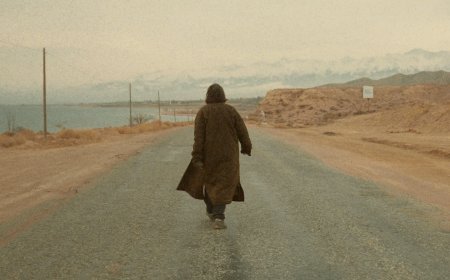
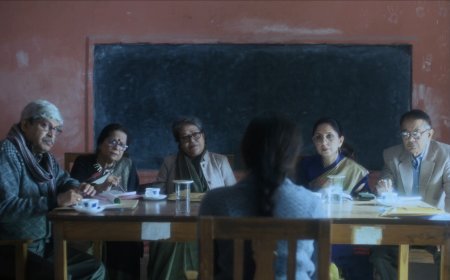
K.U. Mohanan's cinematography perfectly complements the film's sombre mood. His camera often lingers on faces carrying the weight of uncertainty, allowing silence and expression to communicate emotions that words cannot. The careful framing also captures the psychological toll endured by families left in limbo, reminding us that enforced disappearances haunt not only those who vanish but everyone waiting for answers. At over two and a half hours, A. Sreekar Prasad's editing keeps the narrative consistently engaging. The fluid interplay between scenes avoids artificial dramatic flourishes, trusting instead in the emotional power of documented history and the quiet anguish of its characters.
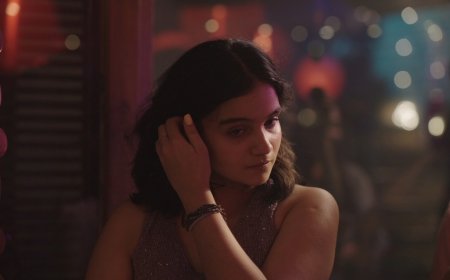
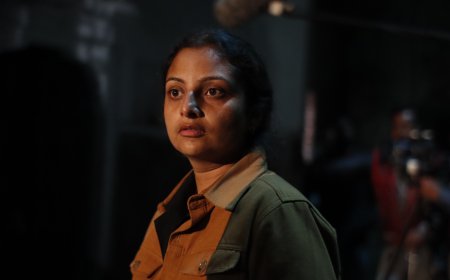
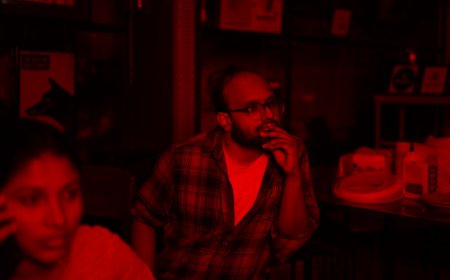
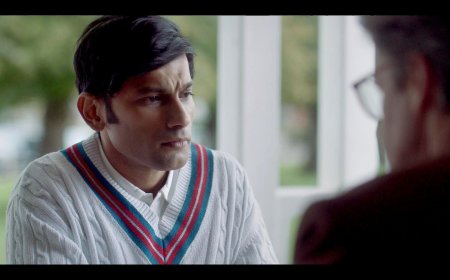
Diljit Dosanjh delivers one of the finest performances of his career. There are no grand speeches or showy sentimental moments here. Instead, he lets Khalra's quiet resolve and unwavering sense of purpose do the talking. Beginning as an ordinary bank employee who slowly finds himself carrying an extraordinary moral burden, Dosanjh portrays a man whose greatest strength lies in his patience and persistence. Suvinder Vicky is quietly chilling as SSP Sugga, a police officer who treats violence as little more than routine administrative work. His calm, matter-of-fact manner makes the character all the more disturbing, illustrating how brutality becomes institutionalised when it is sanctioned from the top and absorbed into the everyday functioning of the system. Kanwaljeet Singh, as a senior police official, further reinforces the culture of impunity that allows such a system to flourish. The emotional heartbeat of the film lies in Khalra's relationship with his wife, Paramjeet, played with remarkable sensitivity by Geetika Vidya Ohlyan. Her fear is never portrayed as weakness. Rather, it arises from the painful certainty that her husband's courage will exact its heaviest toll on those closest to him, reminding us that every public act of bravery is accompanied by a deeply personal sacrifice.
Satluj is a powerful reminder that the true measure of a democracy lies not in the authority it wields but in its willingness to confront its own failures. Through its measured storytelling and deeply committed performances, the film ensures that a painful chapter of history is remembered not simply as the past, but as a warning for the present.
What's Your Reaction?