














JP Das: The Incomparable Maestro of Melodies
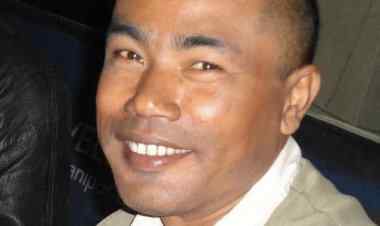
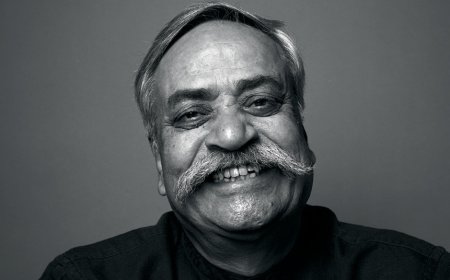
Film critic Prantik Deka interacts with the renowned music director, composer, and Vocalist, JP Das

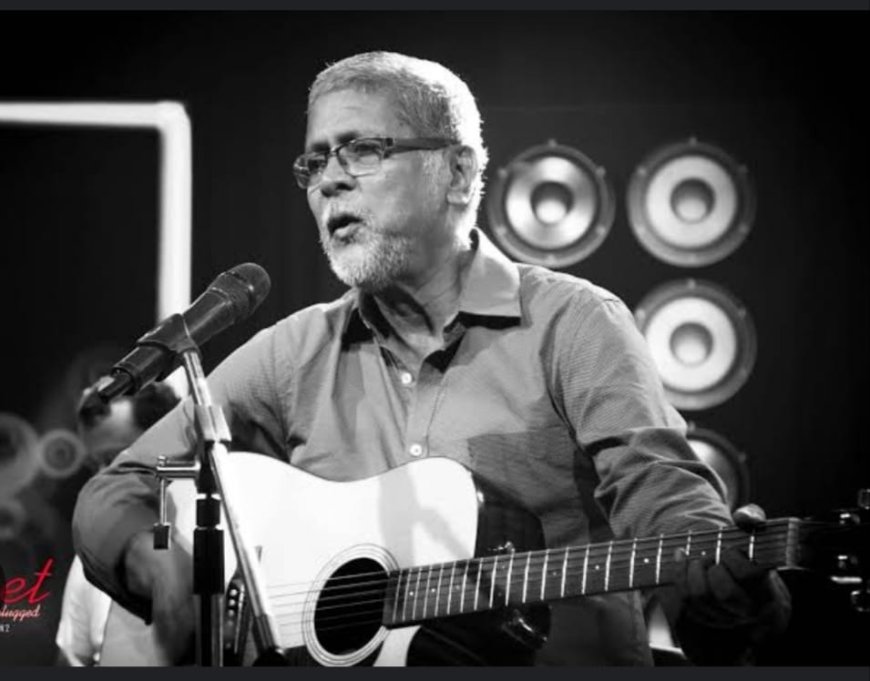
Born into a cultured family in Borbari, Dibrugarh district, in 1947, JP Das’s journey into the world of music started in his childhood. This talented musician is still going strong, proving that age is truly just a number. In this easygoing yet reflective conversation, the emotions of this renowned artist come through strongly.
“I was born in Dibrugarh, but my family relocated to Shillong when I was just a child. My father’s work brought us there, and I spent my formative years, from childhood through my teenage years, growing up in that beautiful city,” shares JP Das. The landscapes of Shillong were interwoven with the fabric of his upbringing, and the time he spent growing up with the Khasi community. “Their inherent simplicity and directness were striking, and I absorbed so much from their way of life. I was truly raised in an atmosphere brimming with affection,” he recalls. During his time in Shillong, Das spent his formative years enjoying a variety of English songs, noting, “as I was educated in the English medium, I was able to understand the songs.”
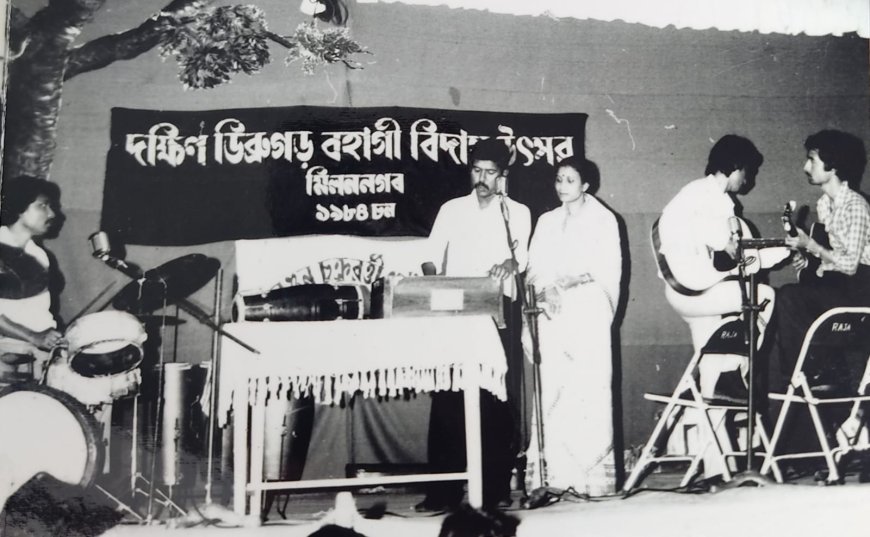
Reflecting on his initial attraction to music, Das explained that his attraction to music began at birth, with the very first cry he uttered upon entering the world. He perceives a musical quality in the sound of a newborn’s wail – “Within that primal sound, I perceived a nascent melody, an intrinsic musicality inherent in the very act of crying.”
His father, Dhirendranath Das, has constantly been his primary source of inspiration. “My father, a prominent radio artist during that era known for his performances of raga-oriented compositions, arranged for me to receive tabla lessons from an instructor who had relocated from East Pakistan (present-day Bangladesh), and he came to our house to give me lessons.” During that time, his father aimed to fashion his older son after himself, hoping to instill in him the craft of music. He also notes that his mother was named Binapani, a name that evokes the divine presence of Goddess Saraswati.
JP Das is forthright about the current decline in music quality. He points out the conspicuous absence of refined taste valued by his generation. “The lyrics, melodies, vocals, and singing style are still pretty much the same as they used to be, but the overall quality has dipped. Nobody’s voice is getting any worse – it’s just that the bar has been lowered. The music that is created today shows a significant lack of standards.” Now at 80 years old, he makes a frank observation: “Contemporary music is so ambiguous, it’s hard to tell if the singers are singing or weeping. Back in the 90s, songs were all about delivering powerful messages, but it seems like that vibe is fading in the music we hear today.” Right now, he finds that listening to music offers a fleeting sense of joy. According to him, the development of today’s music is predominantly driven by commercial interests.
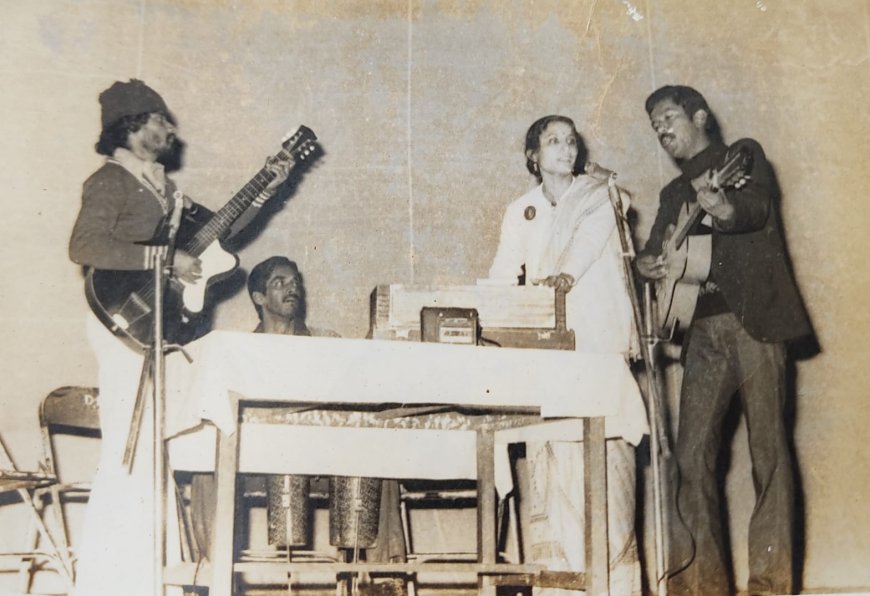
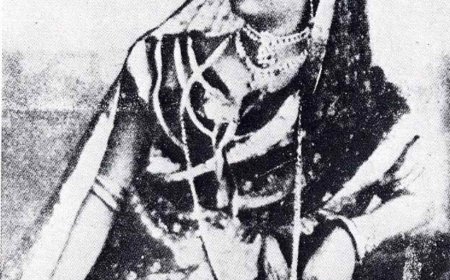
JP Das believes that it is up to the new generation how they elevate the standard of music. Offering guidance to this new wave of composers, lyricists, and musicians, he emphasizes the impact music has, stating, “songs have the power to move us deeply, so the words should be easy to understand and speak directly to the soul.” He believes that a song should beautifully embody the rich essence of the Assamese language. JP Das mentions, “Music ought to be a reflection of Assamese culture, deeply rooted in the essence of Assam, its people, and its language.” He points to Dipali Barthakur’s songs as a perfect embodiment of this ideal, as they beautifully capture the spirit of Assam, its idyllic rural landscapes, and the timeless narratives of its villages. Das brings home the point that our devotion to Assamese traditions involves not only promoting the language but also ensuring its accurate pronunciation. “Many tend to overlook the importance of pronunciation,” which he contends is “regrettable and should be rectified.” He believes that concentrating on these elements will enable Assamese songs to maintain their relevance and longevity. “Elevating the standard of the music itself is a key imperative,” he continues.
JP Das, reflecting on the distinctions he observes between music from different eras, shares: “Since I’m a composer myself, it’s fascinating to realise that both older and contemporary melodies are essentially built from the same twelve notes.” The true artistry, he emphasizes, lies in the thoughtful arrangement and sequencing of those notes during the creative process. “It’s like drawing the very blueprint of a song, mapping out its emotional landscape. Becoming a composer isn’t a walk in the park,” he says. Creating a composition requires significant intellectual effort, similar to solving a complex mathematical puzzle, he elaborates.
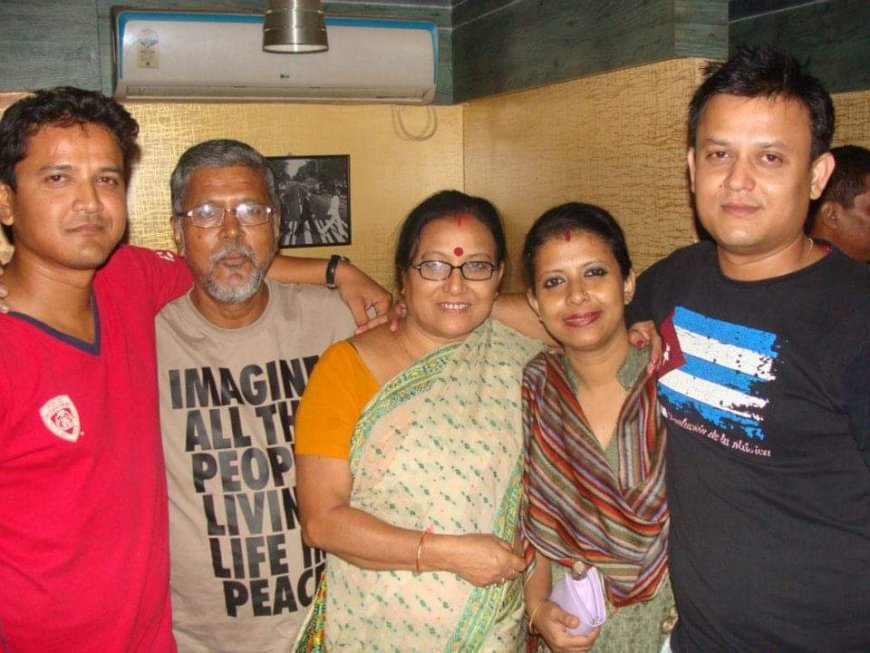
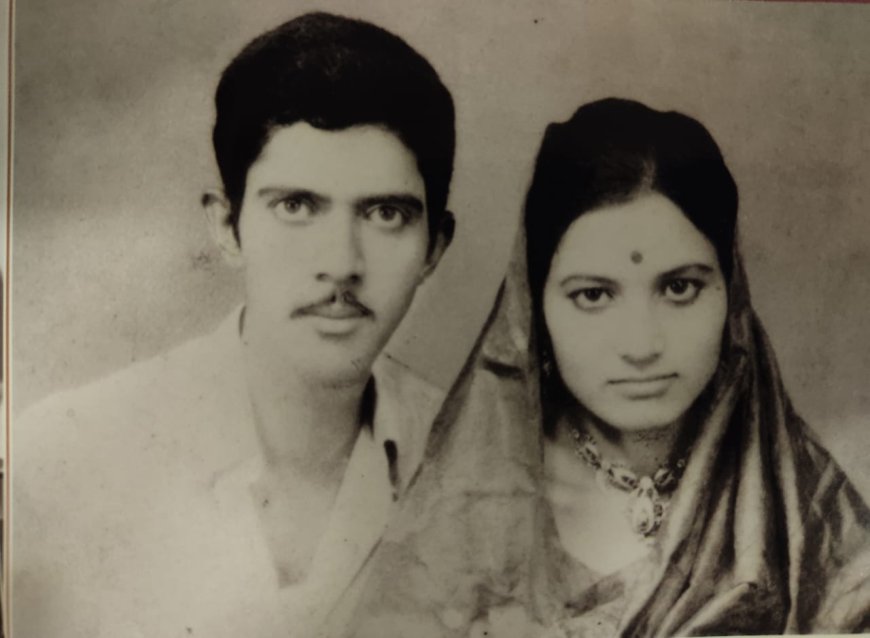
He fondly speaks of his daughter, Jinti Das, and his late wife, the renowned singer Hira Das. “My daughter is a talented singer with a truly beautiful voice,” he shares. He then reminisces about his wife, Hira Das, adding, “She was a celebrated artiste in the seventies, a radio artiste much like my father. And, like myself, Hira was also a composer.”
Das shared his current activities, mentioning that while he still engages in composing music and creating tunes, he has discontinued conducting workshops. He believes that many existing songs offer a wealth of knowledge that can be absorbed independently. “Learning by listening is invaluable,” he suggests, “and mastering a Bishnu Rabha song is best done by immersing yourself in his recordings.” However, he’s not dismissing the value of workshops altogether. He emphasises, “The crucial point is that these melodies should be taught accurately, without any distortion.”
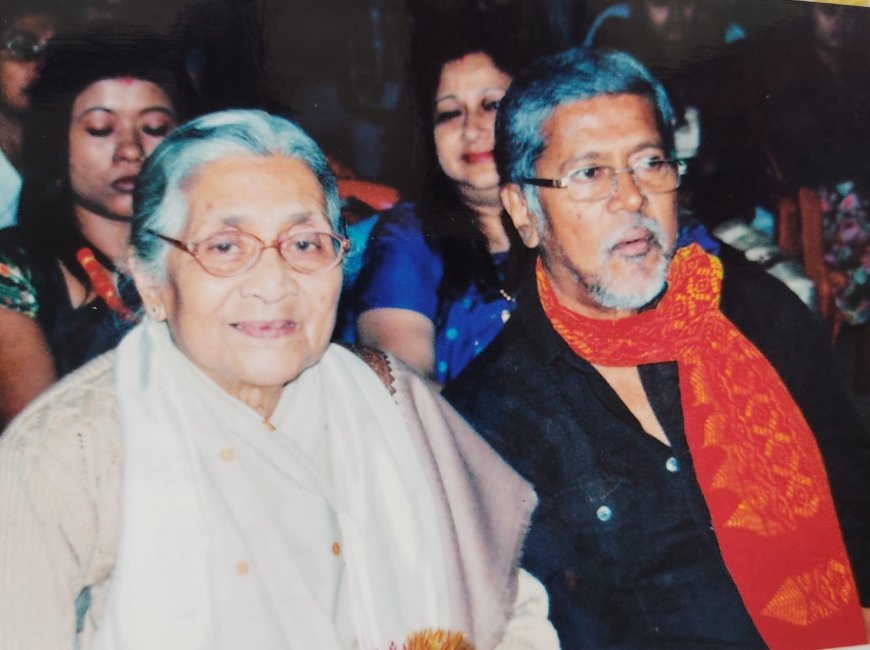
Speaking about his connection to the iconic Dr. Bhupen Hazarika and Jayanta Hazarika fills him with immense pride and joy. He fondly recalls, “To begin with Bhupenda, I was just a child, perhaps eight or nine, when his music first captivated me. Listening to his songs from films like ‘Era Bator Sur’, ‘Maniram Dewan’ and ‘Shakuntala’ on the radio was a revelation. His voice possessed a captivating magnetism that instantly commanded my attention. What truly resonated with me were his powerful delivery, the inherent sweetness, and his impeccable pronunciation. Since I was attending an English medium school, I found myself able to grasp the lyrics with ease, which only deepened my appreciation for his artistry.” JP Das fondly recalls the impact of Jayanta Hazarika’s music, “when Jayanta Hazarika’s melodies like ‘Krishnachura’ and ‘Agoli Botahe’ began gracing the airwaves in the 1960s, it was as if a gentle, early breeze had arrived, heralding a season of blooming Krishnachura flowers. Though he was four years my senior, I became deeply involved with his music from the 1970s onwards. I was swept away by his tunes, enchanted by his voice,” he reflects, filled with nostalgia.
JP Das fondly recalled his early days with Xur Bahini, an organisation dedicated to supporting communities through difficult periods. He shared, “My journey with Xur Bahini started in 1976, a year marked by devastating floods in Golaghat and Jorhat. It was during this incredibly difficult juncture that Jayanta Hazarika, in collaboration with Munin Barua, founded Xur Bahini. After Jayanta Hazarika’s passing, I had the privilege of working closely with Manisha Hazarika, and our efforts with Xur Bahini proved to be profoundly meaningful and impactful.”
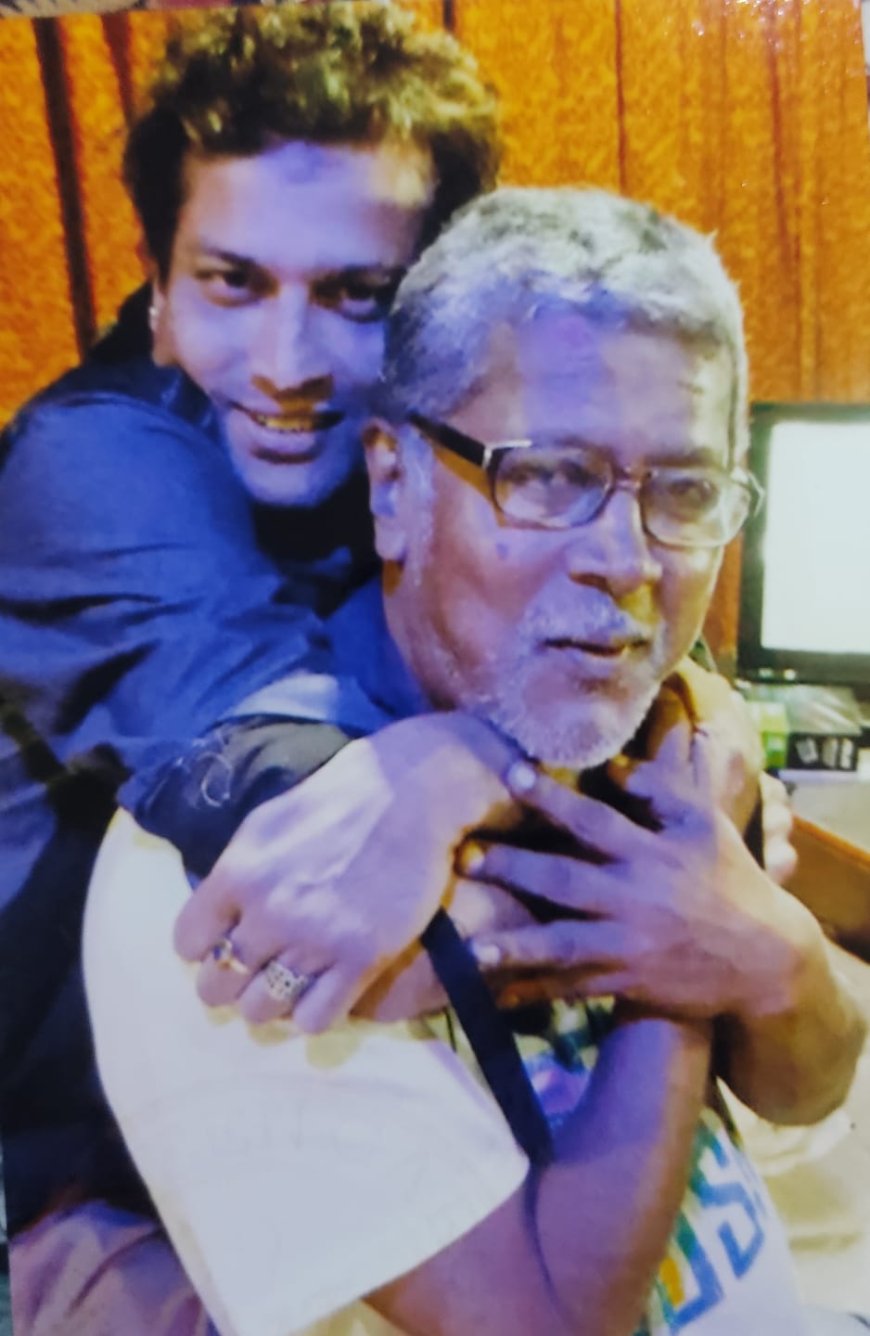
For any true music lover, it’s common knowledge that JP Das boasts an impressive legacy of composing and arranging music for numerous Assamese albums. Many of the musical pieces from these albums have evolved into timeless favourites, resonating deeply with listeners. Besides his albums, he has also written scores for a handful of films, resulting in the creation of quite a few enduring hits. When inquired about his entry into the realm of film music, he shared, “I started my music career in the seventies with my first song, ‘Mor Minoti’, which was performed by Jayanta Hazarika and set to my tune. Subsequently, I composed numerous songs for Dr. Bhupen Hazarika, Jayanta Hazarika and my wife, Hira Das. However, my foray into music direction in films occurred considerably later. Munin Barua or Bhaimon as we call him, has expressed his appreciation for my musical arrangements of Jayanta Hazarika’s songs. He holds Jayanta Hazarika in very high regard. It was he who then approached me for his film, ‘Pahari Kanya’. About three years after my involvement in this project, I got to be the music director for Bhaimon’s next film, ‘Prabhati Pokhir Gaan’. I also had the opportunity to work on another film, ‘Shesh Upahar’.”
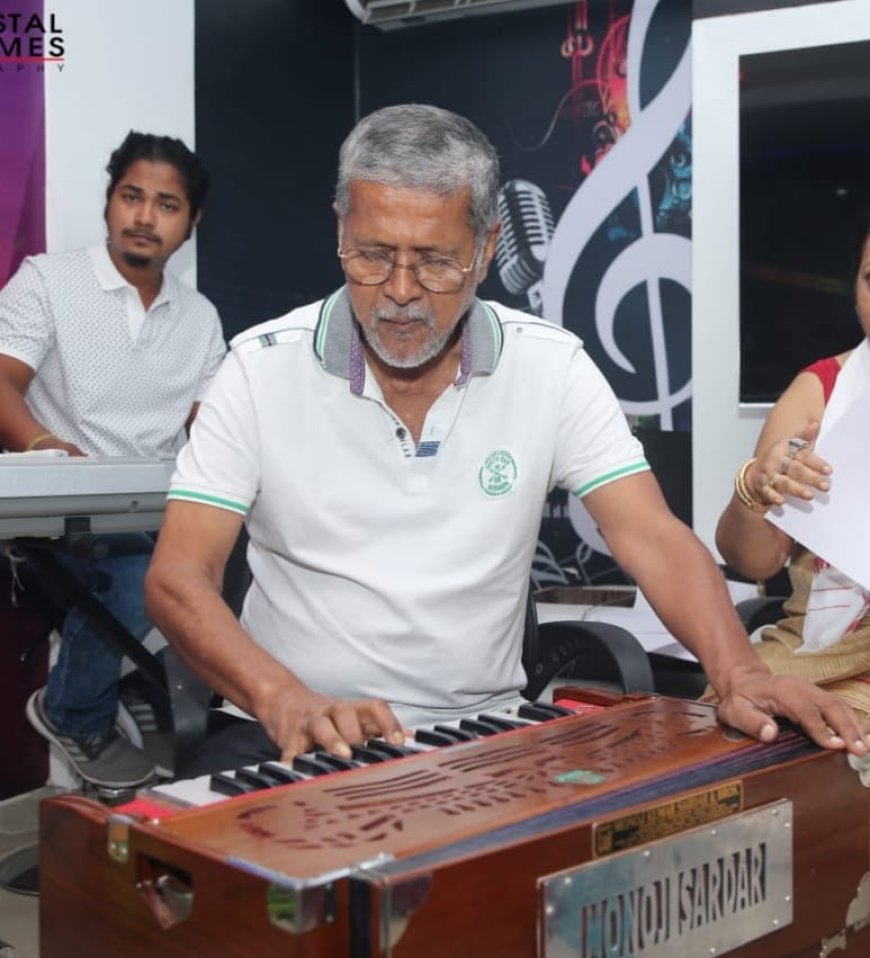
Radio has been a significant and enduring presence throughout JP Das’s professional journey, a connection he describes as having profoundly shaped his life. “Radio,” he expresses with a touch of awe, “is what transformed me from Jyoti Prasad Das into the JP Das you know today.” When he began his career in radio in 1969, the individuals he met there were instrumental in preserving and disseminating the Assamese culture of that era. He then shares, “Back then, in the music department, there were some truly wonderful people I’d love to name – Purushottam Das, Mukul Barua, Deben Sharma, Biren Phukan, Jiten Deb, and Satish Das among others. Being around them, I found myself completely immersed in music, and it became an inseparable part of my life.” He then fondly recalled his colleagues from the drama department, “I had the pleasure of working with Narayan Bezbaruah, Arun Sarma, Mahendra Borthakur, Durgeshwar Borthakur, Nilu Chakraborty, Mina Das, Arati Das Boiragi, and Bina Das Manna among others.” He also fondly recalled working alongside a talented ensemble of announcers that graced the airwaves. Among them were Niren Barua, Kirti Kamal Bhuyan, Dhiru Bhuyan, Bibi Devi Barbarooah, Kalapi Dutta, Jamini Goswami, and Labu Senapati. “I had the privilege of sharing those fourteen years at the Guwahati station with these incredible talents,” he shared, a hint of nostalgia in his voice. Subsequently, he proceeded to the Dibrugarh Centre where a significant shift occurred for Jyoti Prasad Das. There, he met a group of influential individuals: Jyotish Bhattacharya, Syed Sadullah, Rajen Gohain, and Hiren Gohain. As he fondly recalls, “It was through these individuals that Jyoti Prasad Das transitioned and became known as JP Das.” After his stint at Dibrugarh, he served at Akashvani Tezu in Arunachal Pradesh, and then at Aizawl in Mizoram, and thus, JP Das of All India Radio was born.
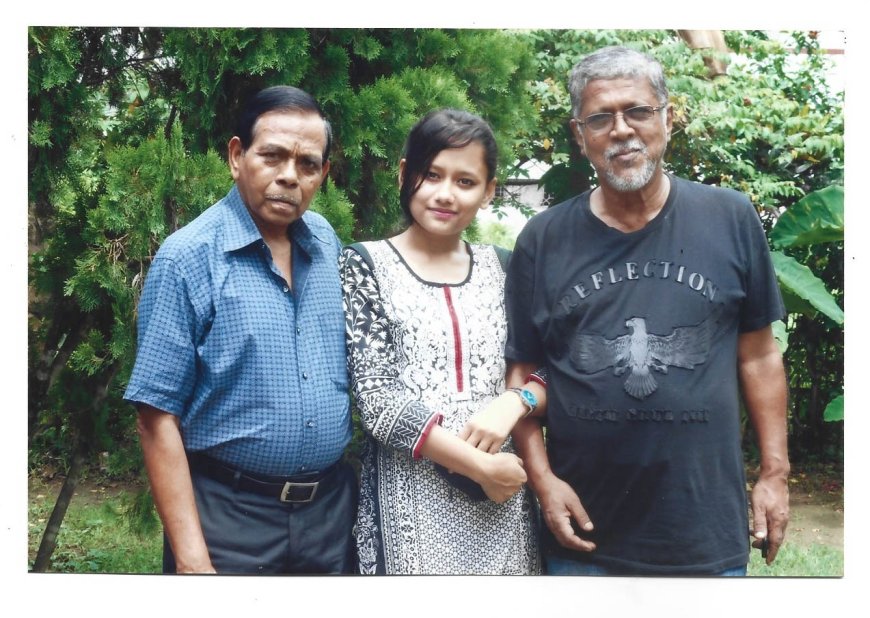
When asked about how he’s keeping his songs and lyrics alive, JP Das shared, “My eldest son, Nitin Das (Debu), is the one who lovingly looks after all my songs and melodies. He makes sure to upload them to his YouTube channel, which is called ‘Nitin Das (Debu)’.” This YouTube channel is all about sharing the incredible musical tapestry woven by JP Das throughout his career. He conveys his excitement by saying, “We’re opening this space to share my work as a composer, singer, music director, and songwriter with all music enthusiasts.” The channel additionally features songs performed by his wife, Hira Das, a renowned singer who gained popularity as a singer in the seventies and eighties, along with tracks by his daughter, Jinti Das, and other artistes from Assam and Bollywood.

What's Your Reaction?