


































Review: Noi Kotha (River Tales, 2025)

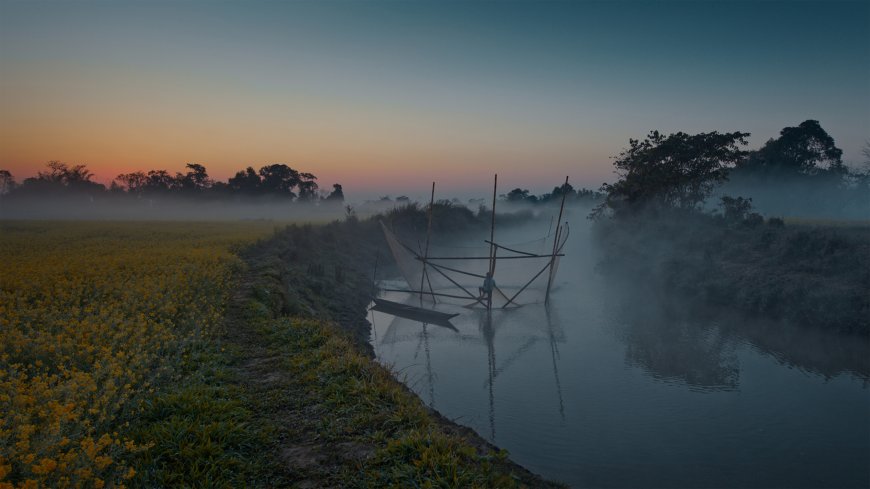
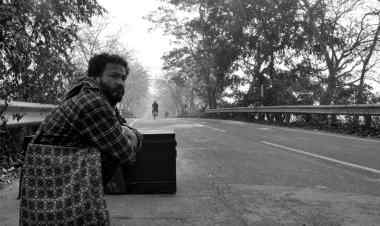
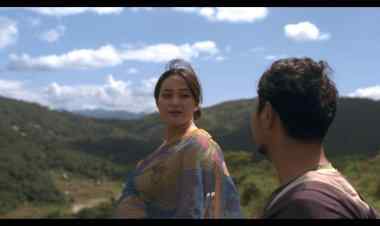
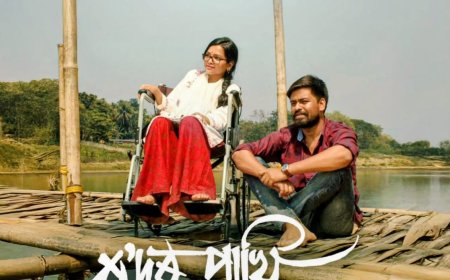
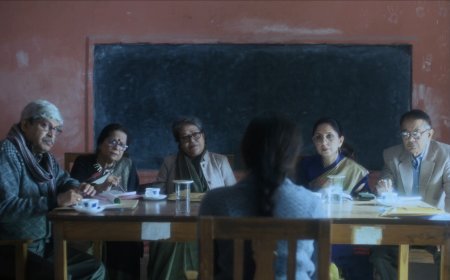
Noi Kotha, directed by Dr Pankaj Borah, centres on Tilou, a fisherman whose community has lived for generations along the Ratuwa river, drawing from it not only sustenance but a sense of order, rhythm, and belonging. Prolonged erosion and the receding waters, however, threaten not just their livelihood but the social fabric that once made survival intelligible for the community.
The fishermen of Tilou’s village are not portrayed as relics of a disappearing world, nor as romantic custodians of ecological wisdom. Instead, Borah locates them within a contemporary political economy that renders their way of life increasingly untenable. Government regulations, conceived in abstraction and applied with indifference, impose uniform rules on ecosystems and communities that have never been uniform. The result is an act of inconvenience, where customary practices are delegitimised, and an intimate relationship with nature is replaced by distances created by those in power.
Tilou’s struggle, and that of those around him, continues even after fishing in the river has effectively vanished from their lives, though it now carries a different weight. Work becomes improvised rather than inherited. Identity, once anchored in collective practice, turns fragile and provisional. The loss is gradual, almost imperceptible, until absence becomes the new normal. Villagers, left without work, migrate to other states as daily wagers. Borah is especially attentive to this psychic displacement, and the sense that survival, stripped of continuity, is no longer quite the same as living.
What distinguishes River Tales from more polemical environmental cinema is its refusal to offer solutions. The film does not argue for policy reform or ecological restoration in explicit terms. Instead, it dwells in the consequences of well-intentioned governance detached from local knowledge. The critique emerges obliquely, through accumulated gestures and silences, through the narrowing of options rather than the articulation of demands. This restraint lends the film its quiet authority. The political implications are unmistakable, yet they are never announced. They are felt in the disjunction between rules imposed from afar and lives shaped by proximity—to water, to land, to ancestral habit.
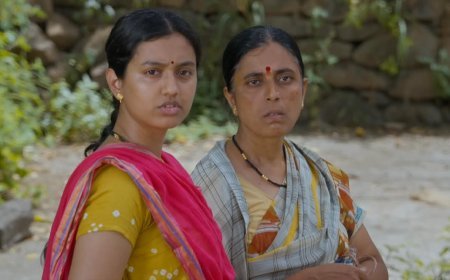
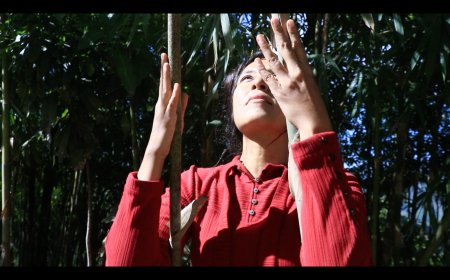
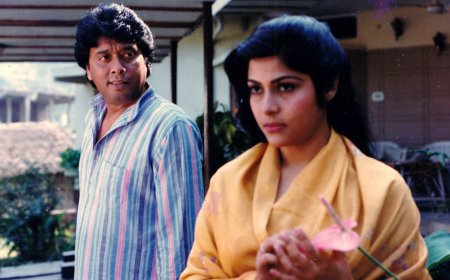
Formally, Borah’s approach is patient and unadorned. Chida Bora’s camera observes rather than insists, allowing landscapes and faces to register change at their own pace. Sanjib Gogoi’s editing sustains an unhurried rhythm, while Debajit Gayan’s sound design builds an aural spectrum from the quotidian activities of village life, grounding the film in lived texture rather than overt emphasis. Performances by Raju Roy and Meghali Kalita further anchor the film’s emotional register, inviting empathy without insistence. As life throws one curveball after another, their restrained portrayals convey endurance rather than spectacle, allowing hardship to register as a lived condition.
In its closing passages, Noi Kotha leaves us with an unsettling question: what happens when communities survive the loss of the very systems that once gave survival meaning? Borah does not mourn the past so much as he documents the cost of its erasure. The river may no longer provide fish as it once did. Yet its absence continues to contour lives, shaping a future that feels increasingly unmoored.
At the 31st Kolkata Film Festival, Noi Kotha was selected for the Indian Language Competition at the Kolkata International Film Festival in 2025. The film will next be screened in the Indian Showcase (Competition) section at the Guwahati Asian Film Festival 2026.
What's Your Reaction?