

























Review: Kuchar (The Itch, 2025)

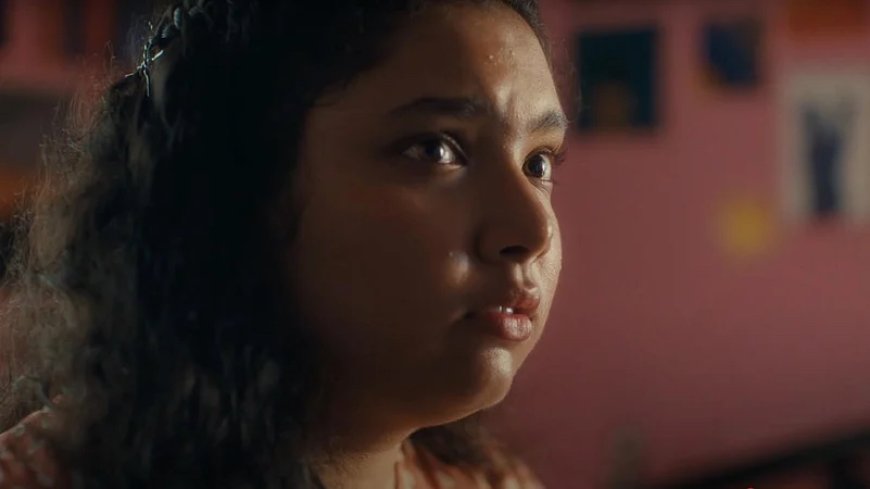
Kuchar (The Itch, 2025) is a short film that understands how much courage it takes to treat female desire as ordinary, and how radical that ordinariness still is. It is calm, quietly mischievous, and deeply sure of itself.
Vaidaangi Sharma, the filmmaker, approaches a subject wrapped in cultural anxiety and still considered taboo in our society with rare composure. In just twenty minutes, it manages to be tender without being timid, provocative without ever raising its voice. It is less interested in shock than in recognition with a tenderness that arrives softly and lingers.
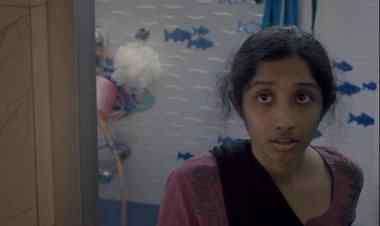
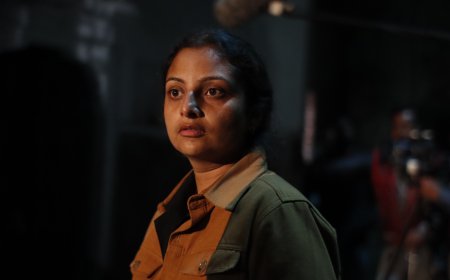
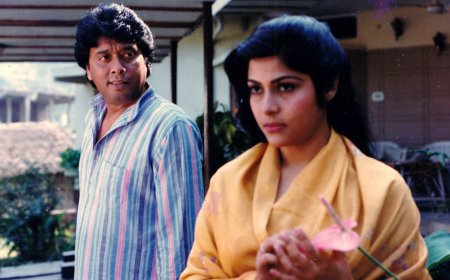
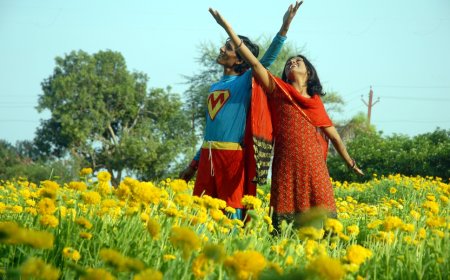
In the corner of an already disappointing birthday, burdened with an unwanted birthday gift and the quiet frustrations of adolescence, we meet Chanda (Subhashree Sahoo). She has no phone, no internet, no access to the information that seems to shape her peers’ understanding of their bodies. What she does have is curiosity, confusion, and a growing awareness that her body is changing in ways no one has quite prepared her for.
And then, unexpectedly, something happens.
Sharma stages Chanda’s first encounter with sexual pleasure with striking restraint. There is no announcement, no dramatic punctuation. Just a renewed awakening of a private world. Gratification moving through the body, and sensation gently overtaking thoughts. There is remarkable simplicity in his newfound pleasure, where eyes carry bewilderment, wonder, and a dawning sense of self. It is a moment that feels hers and allows her a kind of privacy.
Kuchar is acutely aware that sexual discovery itself is not the problem; the reaction to it is. When Chanda’s mother, Priya (Neha Vyaso), discovers her daughter’s secret, there are only two ways forward: empathy or indignity. That choice, often made without reflection, can shape how a girl learns to see her body for years to come. The tension is not loud, but it is sharp. What follows is one of the film’s most affecting turns.
As mother and daughter tentatively acknowledge their own adolescent transgressions, erotic books acting as quiet catalysts for private awakenings, the film opens into something larger than a single household. It becomes a story of inheritance. How desire, and the ignominy attached to it, is passed down, and how, on rare occasions, that cycle can be interrupted. Unfolding within the confines of a middle-class home, where intimacy and restraint uneasily coexist, the narrative captures how emotional lives are shaped in silence as much as in speech. In these moments, the film suggests that healing does not always move from parent to child. Sometimes, it travels the other way.
Watching the film can be mildly confronting, and that discomfort is telling. If there is any stigma here, it belongs not to the characters but to a culture that still struggles to witness female pleasure without unease. It quietly asks its audience to examine their own expectations, and the assumptions they bring into the room. Something radical emerges in this simplicity. Desire does not need to be explained away, only understood. The film leaves its mark precisely because it never tries too hard to.
Following its successful run at various festivals, Kuchar was screened at the 14th Dharamshala International Film Festival.
What's Your Reaction?