

















Review: Echoes from the Void (2026)

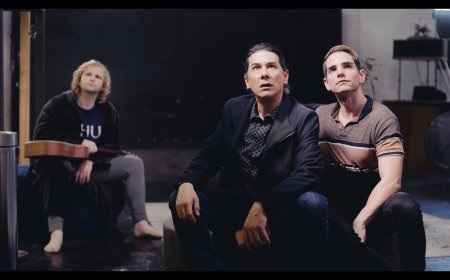
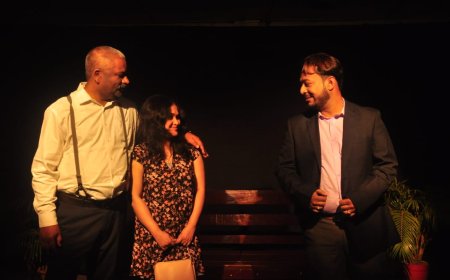
Something is appealing about a horror anthology that treats storytelling itself as a source of unease. In Robert W. Filion’s Echoes from the Void, a psychiatrist, Erin Murphy (Amie Henry), interviews a mysterious prisoner named Bob (Jaysen Buterin), whose lack of a discernible past seems less an administrative inconvenience than a metaphysical problem.
Bob, a genial raconteur with an unsettling command of the room, offers to explain himself through four stories. Murphy listens, initially in the professional spirit of assessment, only to find the distinction between the man before her and the worlds he describes growing increasingly unstable.
The framing device gives the film its most promising idea: a story may be more than an account of something that happened. The person telling it may have a greater claim on reality than the person listening. Bob is an evasive, teasing presence, forever sidestepping Murphy’s questions with another narrative.
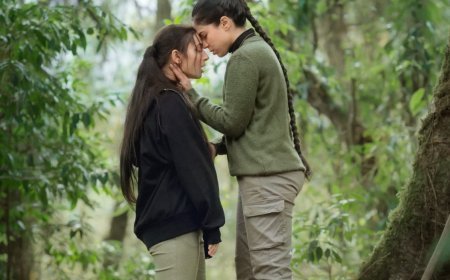
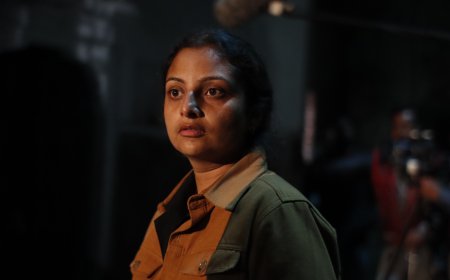
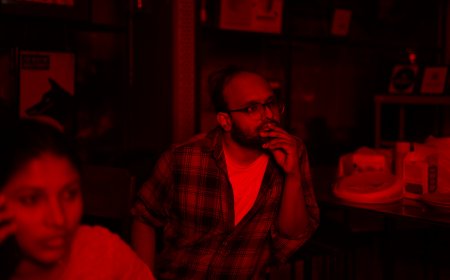
The four episodes approach the supernatural from different directions. The first, One, begins as a familiar psychological drama involving a woman whose apparently psychopathic behaviour gives way to the revelation of dissociative identity disorder. The possibility that something more than a fractured psyche is at work lends the episode a welcome ambiguity, though the explanatory twist ultimately does not limit the force of its psychological portrait.
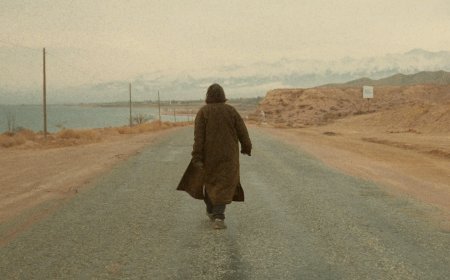
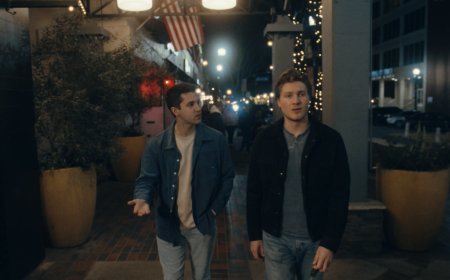
The Resurrection of Amy Barlow is more concerned with guilt and the prospect of reckoning. Tyler (Art Parsells), a middle-aged police officer, encounters a mysterious stranger (Michael G. Sailors) who knows about a dark secret he has carried for nearly two decades. The stranger’s insistence that Tyler return to the site of an old tragedy gives the episode a moral architecture recognisable from religious tales of sin and judgment. Its conversations about redemption and the afterlife are occasionally heavy-handed, but the underlying question—whether the past can ever be safely buried—has a durable appeal.
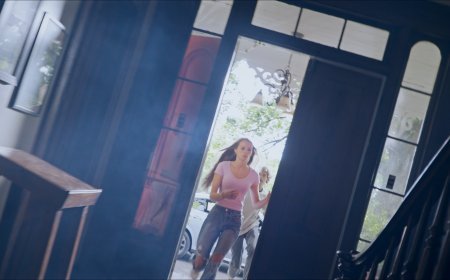
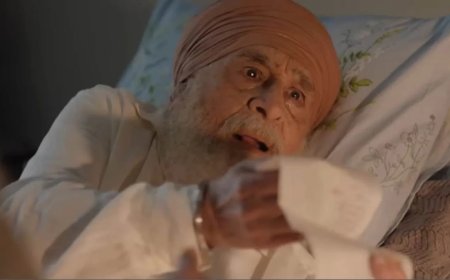
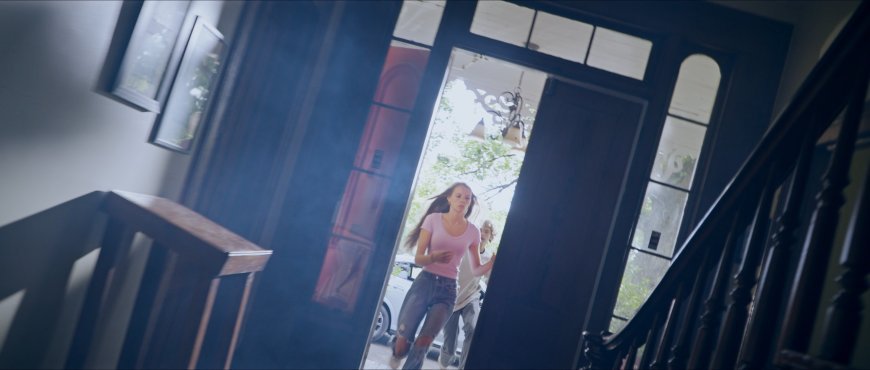
In Rock, an elderly man (Jerry Keys) recruits a young woman (Poppy Gillett) to help him rob an old acquaintance (Catherine Trail), only for their scheme to take an unexpected turn. The episode draws its energy from shifting power relations, while The Elsewhere Room sends two teenage siblings and their friends to an isolated holiday rental, where the supernatural intrudes upon their understanding of their parents. The latter returns the anthology to the pleasures of haunted-house horror, with the promise that the familiar may conceal something profoundly alien.
While the episodes vary in their effectiveness, the film makes resourceful use of its modest production values to create an atmosphere of unease. The performances and dialogue occasionally lack subtlety, and some revelations are more functional than surprising, but the anthology sustains its interest through stories of compromised identities, concealed histories, and the persistence of things that reason cannot comfortably accommodate.
The film’s ambitions exceed its means, but its anthology structure gives it room to experiment, and Filion supplies a thread of darkly playful continuity. Whether the separate tales finally cohere into a genuinely unsettling vision is debatable. What remains is a modest genre exercise with an intermittently engaging premise where the void between what we believe and what we cannot explain may be less empty than we imagine.
What's Your Reaction?