





























Review: Between Cradles (2026)

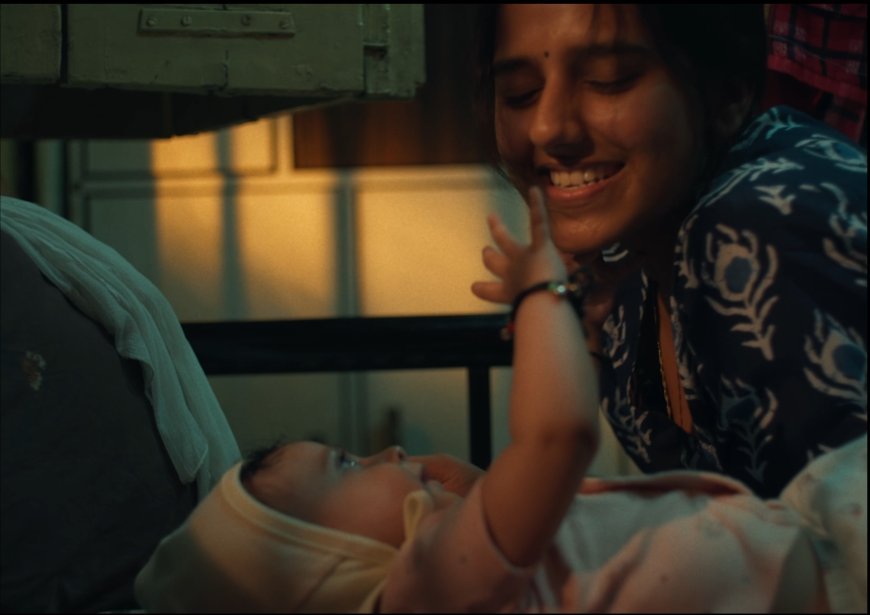
In Between Cradles, Sanket Gupta focuses on a young widow’s struggle to raise her newborn while navigating the uneasy space between hope and despair. The short film explores the lingering stages of misery and the question of how much an individual can withstand while still holding on to life and a sense of meaning.
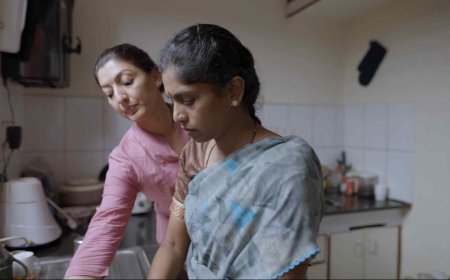
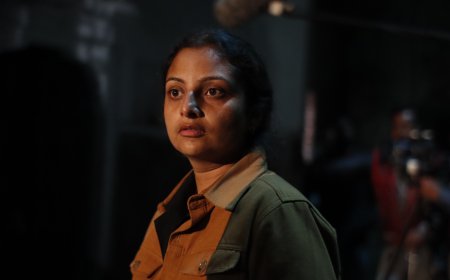
At the centre is Suman (Sobita Kudtarkar), who, after losing her husband, is left to raise her newborn with few resources. When she takes a job as a nanny for the three-year-old daughter of a corporate professional, she leaves her own infant in the care of an elderly neighbour. The arrangement turns motherhood into something that has to be negotiated around work, money and circumstance.
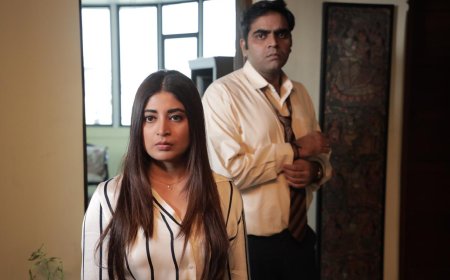
The film’s most effective idea lies in this parallel. Suman is physically away from her baby because she needs to earn enough to keep the child alive. Her employer, meanwhile, is somewhat emotionally distant from her daughter, constrained by the demands of a career that affords her a considerably more comfortable life. The two women occupy vastly different social worlds, yet their relationship with motherhood is shaped, in different ways, by their inability to be fully present for their children.
Gupta does not make the affluent woman an obvious antagonist. Her absence is less a matter of indifference than of circumstance and choice, which gives the class divide at the centre of the film a little more texture. That divide is also visible in the spaces the two women inhabit. The affluent family’s carefully furnished home stands in sharp contrast to the modest chawl where Suman lives.
Production designers Sakshi Gupta and Mohit Sachdev use these environments to make the economic distance between the characters immediately tangible. The contrast is straightforward, but it gives the film a useful visual framework: the same responsibilities of motherhood look very different depending on the resources available to those carrying them.
The film gradually introduces another dimension to Suman’s predicament. The people who appear willing to help are not necessarily acting out of uncomplicated kindness, suggesting that vulnerability can make even seemingly dependable relationships precarious. It is here that the narrative moves beyond being simply a story about economic hardship and motherhood, and raises more serious concerns.
Kudtarkar gives Suman a grounded presence, conveying both physical exhaustion and the determination required to keep going. She largely avoids pushing the character’s emotions to the surface. Instead, she allows her face and silences to carry much of the emotional weight.
Between Cradles ultimately asks what motherhood means when economic survival leaves little room for choice. At its heart, the film is a portrait of a woman living in penury, forced to make difficult compromises between survival and the demands of raising a child.
Gupta’s film finds a recognisable human tension in the uncomfortable distance between caring for a child and affording the conditions in which that care is possible.
Between Cradles is heading to the U.S. on September 11 for its North American premiere as the Opening Night Film at the 15th DC South Asian Film Festival (DCSAFF) 2026.
What's Your Reaction?