




































Review: Umas (2026)

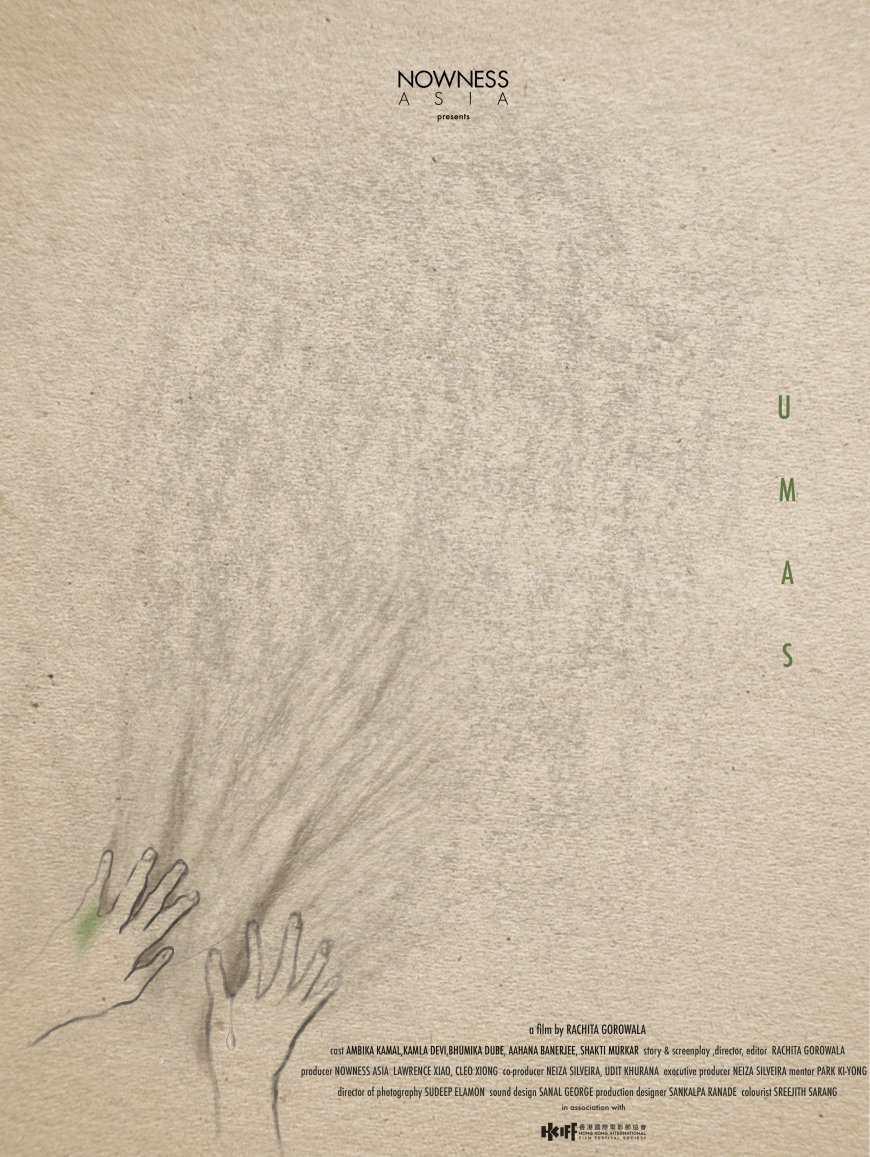
Rachita Gorowala’s short film Umas, set within a world of routine and the quotidian, reveals an undercurrent of muted longing and unspoken human connection. It reminds us that behind every uniform activity, every repetitive gesture, every fleeting encounter, there exists a life unfolding in all its complexity and vulnerability.
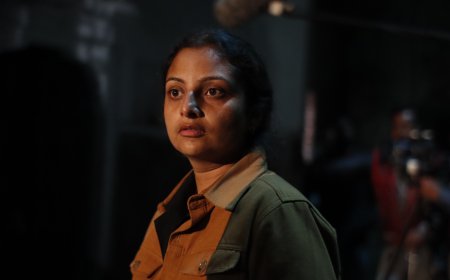
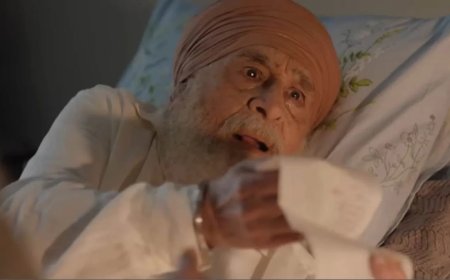
The film offers a brief glimpse into a single day in a Mumbai housing complex, during a pouring monsoon. The narrative follows the quiet, itinerant labour of a young masseuse (Ambika Kamal) moving from one home to another. What might seem like practice gradually deepens in feeling. As her touch moves across bodies—from the frailty of age to the pang of loneliness—it registers not just strain, but the sediment of lived experience.
Gorowala withholds backstory, keeping her characters partially opaque, and the absence feels deliberate, opening space for our imagination. It also underscores the paradox of enclosed spaces, at once protective and precarious, where privacy is fragile and easily unsettled. In doing so, she gently probes circumstances where intimacy and desire might reside, and whether they can exist only in transient, hidden moments. Warmth, fatigue, and an unstated grief seem to pass through a young masseuse as she works, as though each body leaves behind something that cannot entirely be shed. There is a subdued grace in the way these women carry themselves, with a suggestion of acceptance that does preclude an undercurrent of pining. There is a measured patience to the film that allows compassion to emerge organically.
A sense of circularity also shapes the structure of the film. It begins and ends with the image of the young woman seen from behind, wrapped in a raincoat, moving through the rain as water splashes around her. It frames a figure both anonymous and singular, absorbed into the rhythms of the city. She has to navigate her profession through labour that demands precision and detachment. It is a system that privileges efficiency over individuality, yet traces of her inner life surface in fleeting gestures and pauses. Ambika Kamal’s performance is marked by restraint and quiet control. She conveys exhaustion, discipline, and a subdued defiance without ever leaning into overt expression. There is a lived-in texture to her presence, as though the character has long adapted to the limits imposed on her without entirely yielding to them. Much of what she communicates resides in stillness, where her eyes hold both weariness and a trace of compassion. Her silences carry as much weight as her words.
Shot in monochrome by Sudeep Elamon, Umas finds a fitting visual language for its interior world. Close-ups of the young masseuse’s hands at work linger on the textures of skin and the slow, deliberate motion of care, creating an intimacy that is both tactile and contemplative. Whereas Sanal George’s sound design distils the film to its essentials, letting touch, time, and patient observation shape its meaning. Gorowala, also the editor, builds her drama through restraint and advances not through overt incident, but through stillness, glimpse, and the accumulation of small, telling details.
Umas holds a serene balance between labour and intimacy, endurance and unstated sorrow. Its strength lies in leaving behind a lingering sense that even in spaces meant to regulate the body, the inner life cannot be contained.
Umas had its world premiere in the New Voices of Asia section at the recently concluded Hong Kong International Film Festival.
What's Your Reaction?