
















Review: Runanubondh (2026)

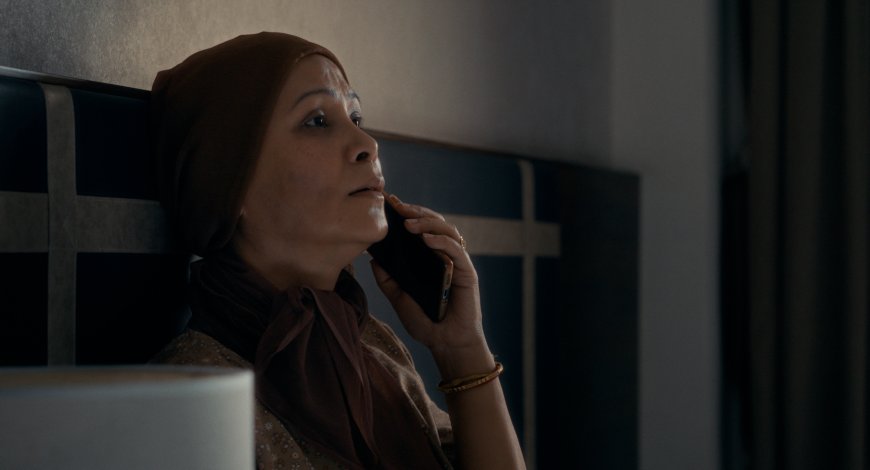
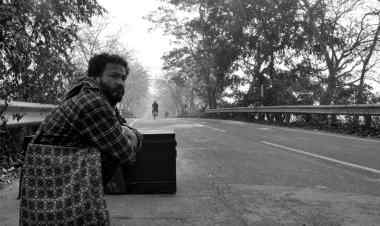
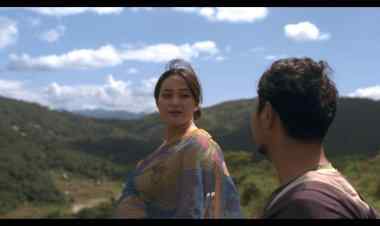
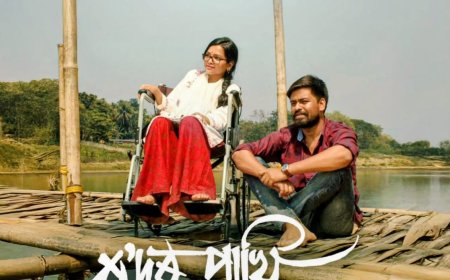
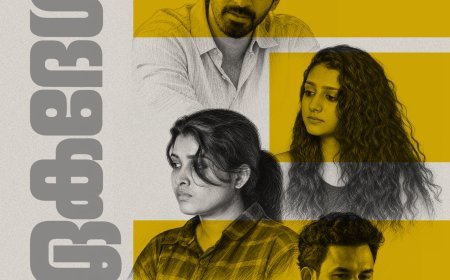
Adapted from a novel by Leena Sarma, National Award-winning filmmaker Deep Choudhury’s Runanubondh adopts a measured, introspective tone, seeking to explore its emotional territory through subtlety rather than overt dramatisation. Set within the familiar terrain of terminal illness, it follows Antara, a breast cancer patient who has just completed her final chemotherapy cycle and now exists in a liminal state between fatigue and recovery. The film gestures towards an interiority shaped by pain, resignation, and the faint possibility of renewal.
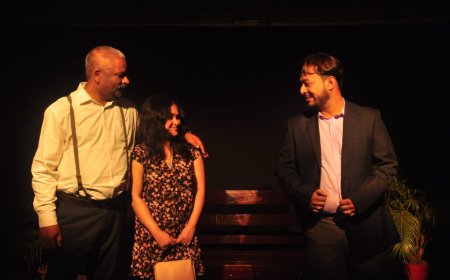
At its core lies a premise rich with moral and psychological intensity. Antara, anticipating her death, proposes that her husband Pratik and her close friend Ragini—who has been caring for her son—might come together after she is gone. It is an idea that quietly opens up questions of agency, sacrifice, and emotional realignment. The film engages with this delicate proposition in a quiet, unforced manner, allowing it to unfold without pressing it into explicit articulation. In doing so, it sustains a reflective space where these complexities are felt rather than resolved in a conventional pattern.
Choudhury’s direction is marked by a strong control that aligns closely with the film’s lyrical quality. The deliberate pacing is integral to its design, allowing feelings to surface gradually rather than being imposed. Scenes are given the time to breathe, creating a contemplative rhythm in which small gestures and pauses acquire significance. The silences, far from being merely decorative, become expressive in themselves, suggesting what the characters cannot easily articulate. The refusal of melodrama emerges as a strength, lending the narrative a naturalism that resists exaggeration. In this measured register, suffering is rendered with precision, inviting the viewer to engage more attentively with Antara’s inner turmoil rather than being directed toward a predetermined emotional response.
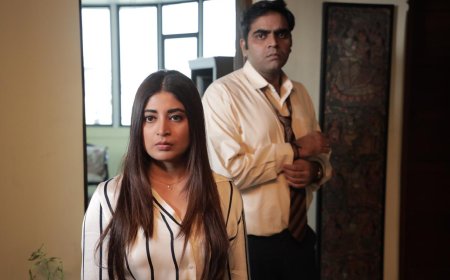
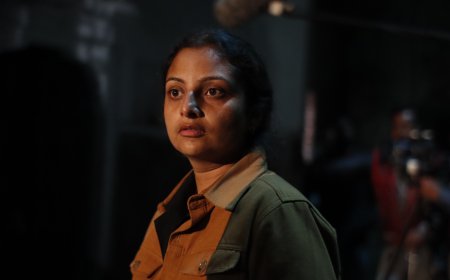
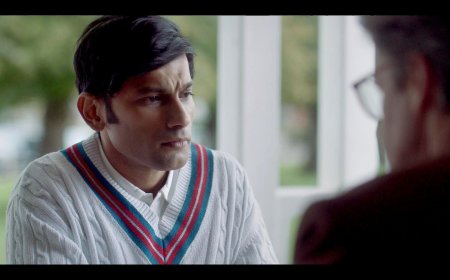
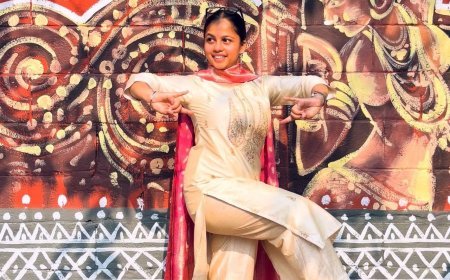
The performances remain aligned with the film’s subdued tonal register. While refreshingly free of excess, they occasionally feel confined within a narrowly functional range. Daiji Gogoi Mohan, also the producer, navigates Antara’s movement between despair and tentative hope with accuracy. Mayush Sharma lends Pratik a quiet steadiness. He grounded the character in a manner that deeply felt a sense of care. Ragini, played by Nilakshi Hazarika, brings a gentle complexity to the role, and her presence carries an intuitive sensitivity.
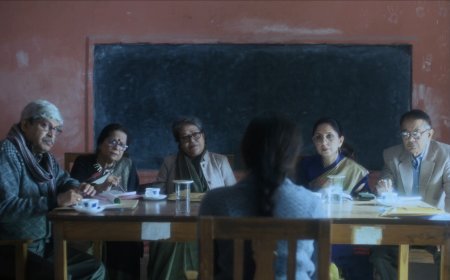
Choudhury has also edited the film to bring a consistent and unified feel. Ramjyoti Krishnacharan’s cinematography complements this approach with a composed visual language that remains attentive to the film’s intimate spaces and emotional stillness. Debajit Gyan’s sound design brings a subtle aural texture, allowing ambient details and silences to shape the viewer’s engagement with the narrative. Sourav Mahanta further reinforces the film’s restrained atmosphere.
In the end, Runanubondh rests on a quiet conviction and sustains a reflective calm that feels true to its world. In its stillness, the film finds a modest yet sincere expression of varying shades and scales of adversity.
Runanubondh was screened at the Bengal International Film Festival and was also showcased at the International Film Festival Delhi in March 2026.
What's Your Reaction?