Review: Ek Chauthai Zindagi (At The Margins, 2025)
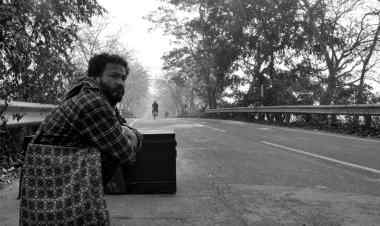
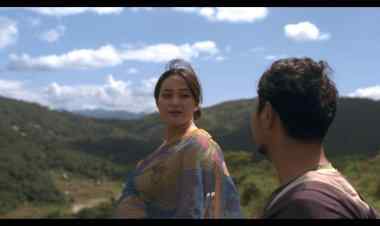
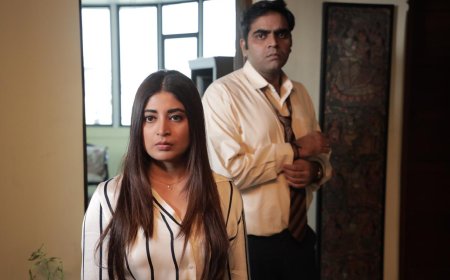
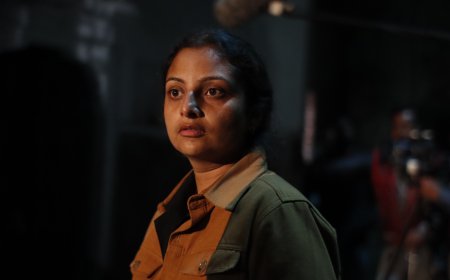
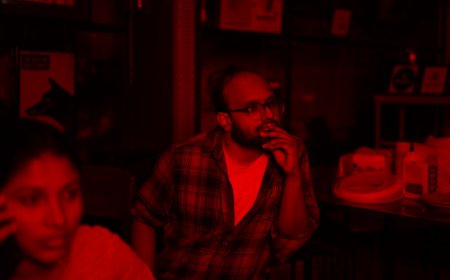
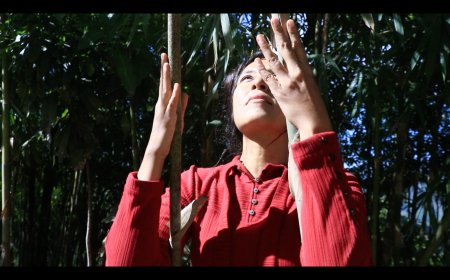
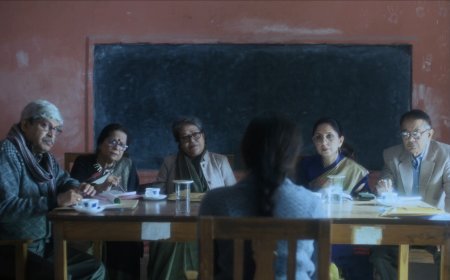
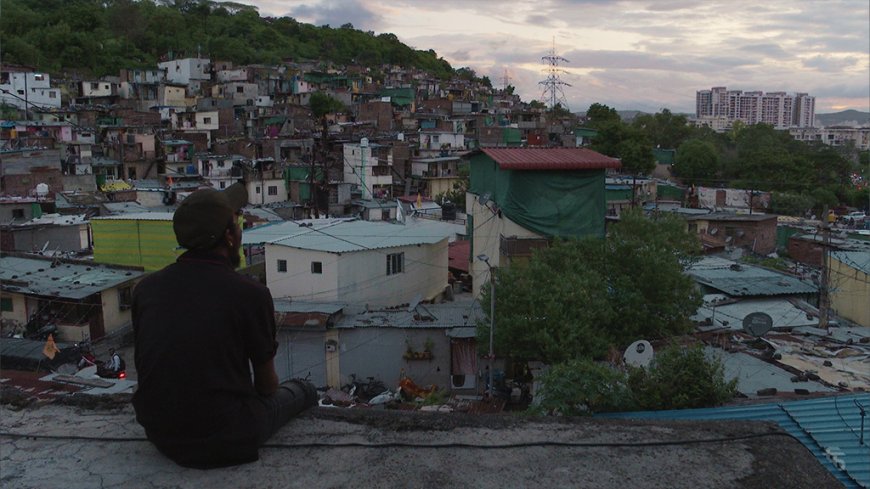 Image: Film Still
In Ek Chauthai Zindagi, the camera enters a Pune slum not with the urgency of exposé but with an attentive, almost mournful patience. Shubham Sumit’s short documentary, produced by the Film and Television Institute of India, turns its gaze on Vicky Baba Kamle, a young man whose life has contracted sharply after the death of his father. Once a spirited dancer, Vicky now drifts through the day in a haze of country liquor, his body and willpower equally dependent on the substance. What emerges is a portrait not of personal failure but of a community caught in a cycle of precarity, addiction and resignation. A dispiriting reality that makes recovery feel like an abstract privilege.
The film opens with Vicky drinking in an open space overlooking the slum while offering a candid, almost offhand interview, a moment as unsettling as it is quietly revealing. Later in the film, as he drinks with his friends from the neighbourhood, they do not flinch from the camera. If anything, they seem to welcome it, convinced that being captured on camera will only promote the very liquor that fuels their escape. The casualness with which they articulate this sentiment underscores the film’s central provocation. In communities overlooked by the state, drinking becomes an everyday escape.
A friend’s blunt assessment of Vicky — “Fucker ruined his life because of his addiction” — cuts through the convivial atmosphere. It is perhaps the closest the film comes to nostalgia, hinting at a version of Vicky that might have been. But the documentary refuses to romanticise his past. Instead, it maps how his present has been shaped by forces disturbingly familiar to the neighbourhood, and the lure of cheap alcohol, the absence of work, and a collective fatigue born of survival.
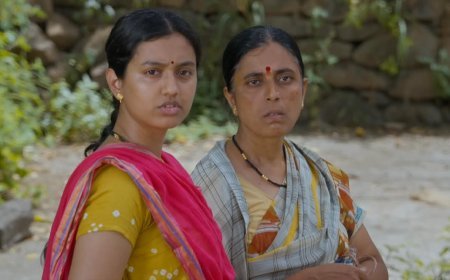
The emotional core of the film, however, lies with Vicky’s mother. In a quietly devastating interview, she recalls how her late husband transformed from a loving partner into an abusive alcoholic, leaving her body marked with scars. His death, she says without hesitation, brought her peace. It is an admission delivered without melodrama, and the film honours her candour with unembellished framing. Yet the irony is cruel. Having freed herself from one violent drinker, she now watches her only son sinking toward the same fate. Her dilemma, whether to send Vicky to a de-addiction centre or use that money to repair the roof, reveals the brutal arithmetic of poverty. She knows he needs help, but she also knows he cannot endure withdrawal. “I cannot see him suffering”, she says, before admitting that she gives him money just to prevent his suffering. The decision is not borne out of enabling behaviour but out of maternal desperation, a calculus impossible to judge from the outside.
Ek Chauthai Zindagi succeeds because it resists the documentary temptation of prescribing solutions. Instead, it allows us to witness a family navigating grief, addiction and the everyday erosion of possibility. In its stark, unhurried observation, it becomes a quiet indictment of the systems that leave people with only a quarter of a life, and even less hope of reclaiming the rest.
Ek Chauthai Zindagi was screened at the 14th edition of Dharamshala International Film Festival.