





























Review: Almari Ka Achaar (Cupboard Pickle, 2025)

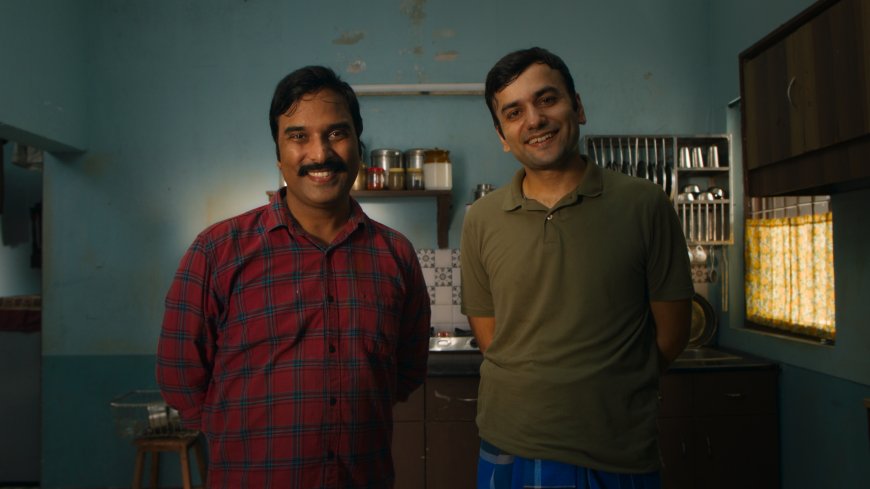
Almari Ka Achaar is a tender and quietly affecting portrait of love negotiated through compromise, secrecy and everyday gestures. Set largely within the confines of a modest Mumbai apartment, the short film follows Prakash and Mohan, as a same-gender couple whose relationship has survived by occupying a space between personal desire and social obligation.
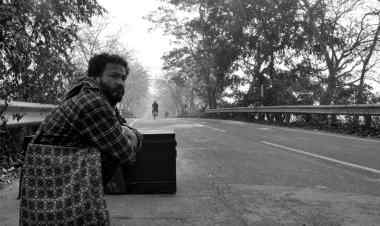
The film opens with Prakash and Mohan struggling to manoeuvre an almirah into their rented room. What appears to be an ordinary domestic task allows director Raakesh Rawat to immediately establish the dynamics of their relationship. It reveals a bond shaped by equal measures of affection, irritation and familiarity. Mohan's use of expletives irritates the more restrained Prakash. But their banter reveals a bond shaped by both affection and irritation. The scene captures the familiar rhythms of a long-term relationship. It indicates that intimacy often resides in disagreement as much as in tenderness.
Having migrated from the same village, Prakash and Mohan have built a life together in Mumbai. They run a grocery shop and share a home. The city offers them a degree of anonymity and freedom unavailable in their native place. Yet this liberation remains incomplete. Prakash is married and has a child. His family is unaware of his relationship with Mohan. The film thus situates itself within the emotional complexities of queer existence in a closeted society, where familial expectations frequently coexist with hidden lives.
At the centre of the film lies the preparation of mango pickle. As the two men mix spices, they compare each ingredient to different emotions that have flavoured their lives together. Rawat transforms the act of making a mango pickle into a metaphor for companionship itself. Like a pickle, a relationship acquires its character through a careful balance of contrasting elements—sweetness, bitterness, jealousy and likeness. The pickle becomes an extension of their shared history and a tangible expression of their love. This symbolism is reinforced through a deceptively simple scene in which the couple eat chapatis with the pickle. When a beggar asks for some, they refuse. The gesture appears ungenerous on the surface, but within the film's larger framework, the pickle is something deeply private. It has now become a repository of memories and warmth that cannot be casually distributed. It belongs exclusively to the world the two men have created together.
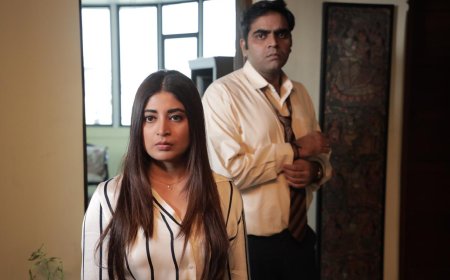
The arrival of Prakash's wife, child and father for an unexpected visit subtly alters the exclusivity associated with the pickle. When Prakash shares the pickle with his family, Mohan is visibly hurt, sensing that something he had considered private to their relationship is being opened up to others. Yet, as an act of compromise, he ultimately accepts the situation and willingly shares the pickle with them. The moment carries emotional weight far beyond hospitality. It reflects the difficult accommodations and quiet sacrifices that sustain their relationship. In that moment, he appears willing to share not merely the food but also, in a symbolic sense, his love for Prakash with those who constitute the other half of his life.
Rawat, who also serves as cinematographer and editor, displays a keen understanding of visual storytelling. The dramatic use of close-ups draws attention to the tactile details of everyday life, including the handling of spices, the preparation of food and the fleeting glances exchanged between the protagonists. The occasional slow-motion shots lend a reflective quality to moments that might otherwise pass unnoticed. They encourage the viewer to appreciate the emotional significance embedded in these routine actions.
The screenplay by Vishal Nahar refuses to frame queer love solely through conflict or victimhood. Instead, the film focuses on companionship, routine and care. The challenges faced by Prakash and Mohan are present, but they emerge organically through everyday interactions rather than through dramatic confrontations. In doing so, the film offers a nuanced portrayal of a relationship sustained by resilience, humour and mutual understanding.
The performances of the two central actors, Manwendra Tripathy as Prakash and Manoj Sharma as Mohan, keep the film grounded throughout. The pair share a striking chemistry that convincingly conveys the affection, frustrations and unspoken understanding of a long-term relationship. Their performances allow the emotional undercurrents of the narrative to emerge with quiet conviction.
Selected for the National Competition section at the 19th Mumbai International Film Festival 2026, Almari Ka Achaar is a modest and deeply felt work. Through the simple metaphor of a homemade pickle, Rawat crafts a moving reflection on love that must often remain hidden, yet continues to endure and mature with time.
What's Your Reaction?