







Review: Leela (2024)

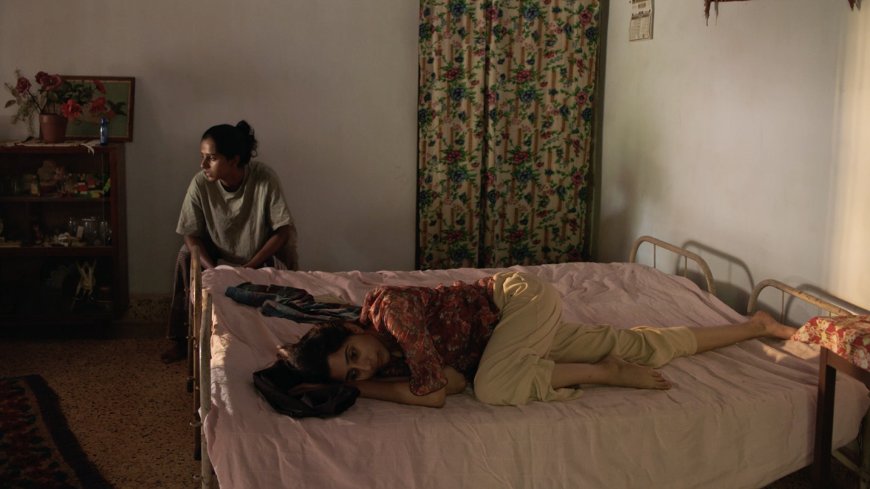
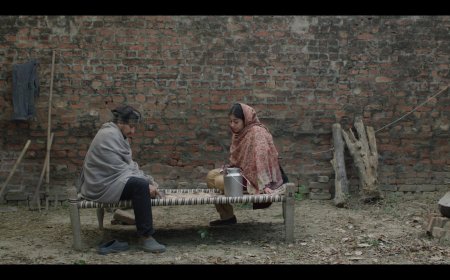
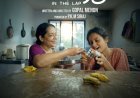
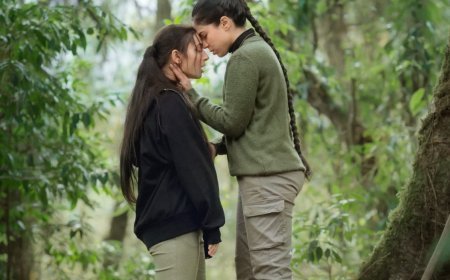
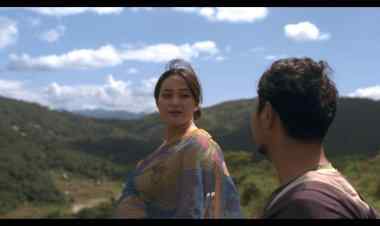
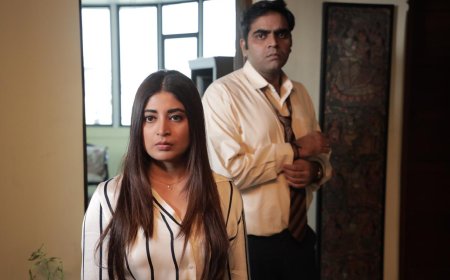
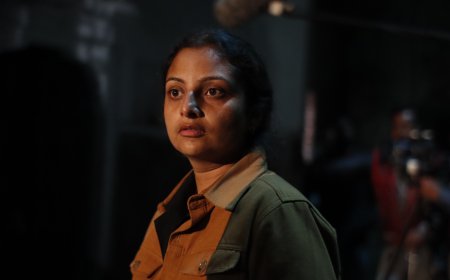
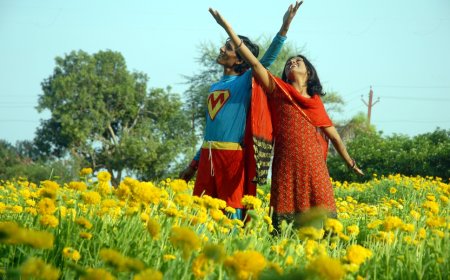
Tanmay Chowdhary’s Leela is a short film built almost entirely out of absence. Its titular figure never appears on screen. Instead, the film unfolds through a conversation between two young women in a small Indian coastal village of Goa. Circling the mystery of Leela’s disappearance and, more quietly, the conditions that might have made vanishing feel like the only viable act of self-assertion.
The premise is deceptively simple. Rumours ripple through the village that Leela may have taken her own life. She may have been claimed by the sea, or she may, improbably, have escaped to the city to mingle with girls of her ilk. Based on a short story by Kuzhali Manickavel, the adapted screenplay by Alina Gufran refuses to stabilise any of these possibilities. What matters instead is how speculation becomes a form of social currency, and how the women left behind negotiate grief, envy, and moral judgment in a space where futures appear already foreclosed.
The absent individual becomes the film’s gravitational centre. Never seen and never heard directly, she nonetheless dictates the emotional and narrative flow, and functions as a blank surface onto which the two women project their own fears and longings. Deprived of the chance to defend herself, Leela is alternately imagined as a victim, rebel, or moral transgressor, and less a person than a provocation. The contrast between the friends sharpens around this void. One clings to the consoling fantasy that Leela has escaped to the city, while the other responds with barbed dismissals and barely concealed resentment, language that hints at envy as much as judgment. Known for her outspoken, progressive temperament, Leela comes to embody the possibility of departure itself, and it is this possibility, rather than her fate, that unsettles those left behind.
The film’s dramatic engine lies precisely in this contrast. One woman’s insistence on hope feels less like optimism than a fragile act of resistance against the suffocating logic of the village. The other’s bitterness, expressed through thorny quips and moral policing, suggests a defence mechanism shaped by long-standing frustration. Their dialogue never tips into overt exposition, but it gradually reveals how Leela’s disappearance has become a mirror for their own immobility. What they argue over is less the truth of Leela’s fate than the intolerable thought that someone like them might have found a way out.
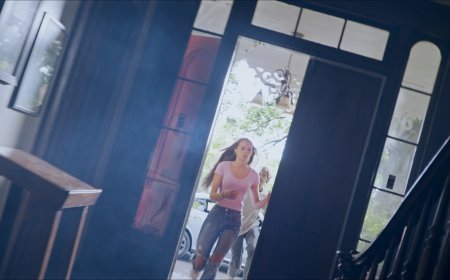
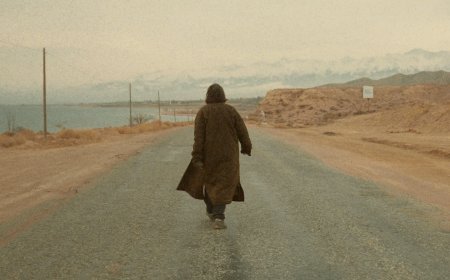
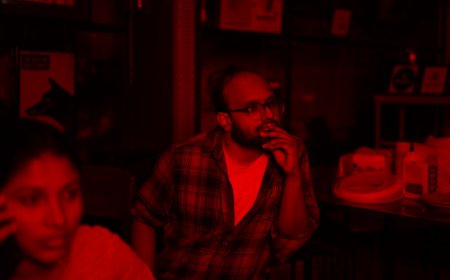
Chowdhary, who is also the cinematographer, keeps the environment unromanticised. The coastal setting is not picturesque; it feels worn, airless, heavy with repetition. The camera lingers on paths, walls, and stretches of land that suggest enclosure rather than possibility. The framing introduces a quiet menace into this landscape, intensifying a sense of helplessness that is never underlined but steadily accumulates. Despair is not dramatised through spectacle but absorbed into the texture of everyday life.
Moreover, by withholding Leela’s on-screen presence, the film resists turning her into either martyr or symbol of triumph. She remains unknowable. But spoken about, judged, and projected upon. In doing so, the narrative becomes less a mystery about a missing woman than a psychological study of those who remain, and of how restrictive social spaces encourage women to police one another even as they share the same confinement. By the end, the grief the women articulate is inseparable from a renewed awareness of their own continued entrapment, as though Leela’s absence reflects, with cruel clarity, the limits of their lives.
Leela is not a film about dramatic rebellion. It is about the quieter, more unsettling idea that escape may exist only as rumour, and that even the thought of another woman’s freedom can provoke fear as much as hope. In that sense, the film’s chill lingers well beyond its final frame.
Following its run on the international festival circuit, Leela screened at the 14th Dharamshala International Film Festival in 2025.
What's Your Reaction?